Is Japan expensive for first-time travelers? This is one of the most common questions people ask before planning a trip to Japan.
Japan feels expensive at first glance—but the real costs might surprise you more than the price tags ever will.
Japan has a reputation for being one of the most expensive countries in the world. Neon-lit cities, bullet trains, luxury technology, and spotless streets often make travelers assume that visiting Japan will drain their savings fast.
But here’s the truth: Japan is only as expensive as you make it.
For first-time travelers, understanding where your money actually goes makes all the difference. Flights, accommodation, food, transport, attractions—each can be budget-friendly or luxurious depending on how you plan.
Is Japan expensive compared to other popular travel destinations like Europe or the United States?
Travelers often compare it to destinations like Europe or the United States. In reality, Japan can be cheaper than cities like London, Paris, or New York—especially for food, transport, and daily expenses.
This guide breaks down exactly how much it costs to travel Japan, with real examples, practical tips, and honest expectations so you can plan confidently.
Best Time to Visit Japan: A Complete Seasonal Guide for First-Time Travelers
Is Japan Expensive Compared to Other Countries?
- Budget: $50–$80/day
- Mid-range: $100–$180/day
- Comfort: $200–$350/day
- Biggest cost: flights + hotels in peak seasons
Japan often gets labeled as an expensive destination, but when compared to other popular travel destinations, the reality is more balanced than many first-time travelers expect. The perception of high costs usually comes from Japan’s advanced infrastructure, modern cities, and reputation for quality—but those features do not always translate into higher daily expenses.
When compared to major cities in Europe and the United States, Japan can actually be more affordable in several key areas, especially food and public transportation.
Japan vs United States
In cities like New York, Los Angeles, or San Francisco, daily food costs, tipping, and transportation can quickly add up. In contrast, Japan offers affordable meals at nearly every price level, and tipping is not expected. Public transport in Japan is also cheaper and more reliable than taxis or ride-sharing services commonly used in the US.
Japan vs Europe
Compared to cities such as London, Paris, or Zurich, Japan is often cheaper for food, safety-related costs, and local transport. While European accommodation prices can spike sharply in tourist centers, Japan offers consistent pricing through business hotels and budget-friendly options nationwide.
Why Japan Feels Expensive (But Often Isn’t)
Japan feels expensive mainly because prices are transparent, service quality is extremely high, and travelers expect luxury-level costs. In reality, Japan eliminates many hidden travel expenses common elsewhere, such as tipping, tourist surcharges, and safety-related costs.
For first-time travelers, Japan is often more predictable and controllable than many Western destinations, making budgeting easier once expectations are aligned with reality.
So, is Japan expensive in 2025, or can first-time travelers explore the country comfortably on a budget?
Flight Costs to Japan (Biggest Expense for Most Travelers)
For most first-time travelers, flights make up the largest single expense of a Japan trip. Prices vary widely based on season, departure country, booking timing, and flexibility.
Unlike daily costs inside Japan, airfare is harder to control—but understanding patterns helps you save significantly.
Average Round-Trip Flight Prices to Japan
- USA → Japan: $700 – $1,200
- Canada → Japan: $800 – $1,300
- Europe → Japan: $600 – $1,100
- Australia → Japan: $500 – $900
Flights from the US West Coast (Los Angeles, San Francisco, Seattle) are usually cheaper than from the East Coast. Non-stop flights cost more but save time and energy, which matters after long journeys.
Cheapest Times to Fly to Japan
Flights are generally cheapest during:
- Late winter (January–February) – Cold weather, fewer tourists
- Shoulder seasons (May & November) – Mild weather, lower demand
These periods offer the best value for money, especially for first-time travelers who want fewer crowds and lower prices.
Most Expensive Times to Fly to Japan
Flights spike during:
- Cherry blossom season (March–April)
- Autumn foliage season (October–November)
- Summer holidays (July–August)
Demand rises sharply during these times, often doubling ticket prices if booked late.
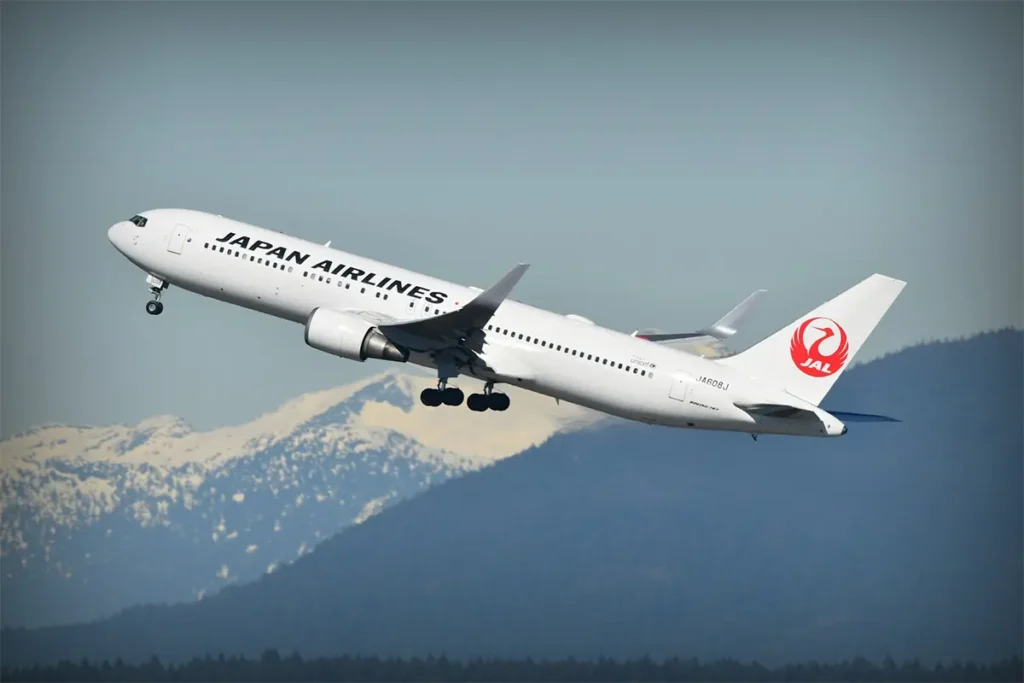
How First-Time Travelers Can Save on Flights to Japan
The best time to book flights to Japan is typically 2 to 4 months in advance. Travelers who are flexible with travel dates often find significantly cheaper fares, especially when avoiding peak seasons like cherry blossom season and autumn foliage months.
Flying into alternative airports such as Osaka (Kansai International Airport) instead of Tokyo can also reduce costs. Additionally, flights from the US West Coast are usually cheaper than those from the East Coast.
Using flight comparison tools and setting price alerts helps first-time travelers monitor fare drops and secure the best deals.
Accommodation Costs in Japan (More Affordable Than You Think)
Accommodation is often one of the biggest concerns for first-time travelers to Japan. Many people assume that staying in Japan will be extremely expensive, especially in major cities like Tokyo and Kyoto. In reality, Japan offers one of the widest ranges of accommodation options in the world, making it surprisingly affordable if you choose wisely.
What you pay for in Japan is not cleanliness or safety — those are standard everywhere. Instead, accommodation prices mainly depend on location, room size, and experience.
Budget Accommodation Options in Japan
Japan has excellent budget accommodation that is clean, secure, and well-located, making it ideal for first-time travelers.
Capsule hotels typically cost $25–$50 per night and are popular with solo travelers. While space is limited, capsules are modern, private, and often located near major train stations.
Hostels offer both shared and private rooms, usually ranging from $30–$60 per night. Many hostels in Japan are stylish, quiet, and well-organized, making them suitable even for travelers new to shared accommodation.
Business hotels are one of the best value options for first-time visitors. Prices usually range from $50–$90 per night, and rooms, though compact, are clean, comfortable, and conveniently located near transport hubs.
Mid-Range Accommodation in Japan
Mid-range accommodation offers more space and comfort without luxury pricing.
3–4 star hotels typically cost $100–$180 per night and provide larger rooms, better amenities, and central locations. These hotels are ideal for couples and travelers who want comfort without overspending.
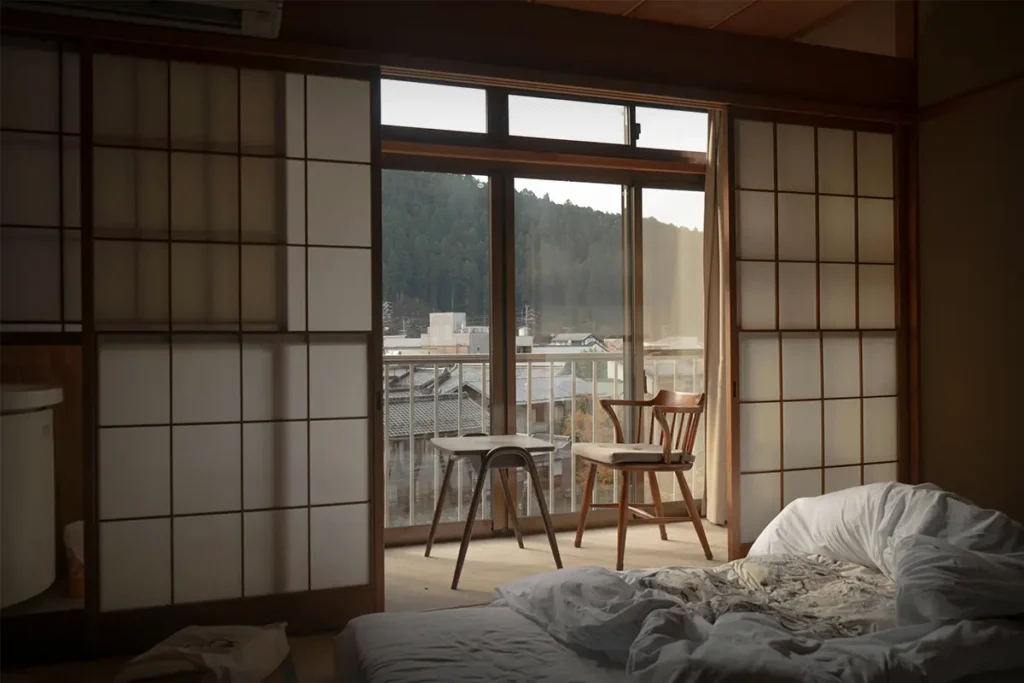
Traditional ryokan offer a uniquely Japanese experience, with tatami floors, futon beds, sliding doors, and communal baths. Prices usually range from $120–$250 per night, depending on location and whether meals are included. Staying at a ryokan for at least one night is highly recommended for first-time travelers.
Luxury Accommodation in Japan
Luxury travel in Japan can be expensive, but it also delivers exceptional quality.
High-end hotels in Tokyo and Kyoto often range from $250–$600+ per night, especially in central areas.
Luxury ryokan, particularly those including traditional multi-course meals (kaiseki), can cost $400–$800 per night. These stays are more than just accommodation — they are cultural experiences that combine hospitality, cuisine, and relaxation.
Tips to Save on Accommodation in Japan
- Stay near train stations to reduce transportation costs
- Travel during shoulder seasons for lower prices
- Use business hotels for the best balance of cost and comfort
- Book early during cherry blossom and autumn foliage seasons
Food Costs in Japan (Exceptional Value for Quality)
Food is one of the biggest surprises for first-time travelers to Japan. While many expect meals to be expensive, Japan consistently delivers high-quality food at affordable prices, making it one of the best countries in the world for eating well on a budget.
Unlike many destinations where cheap food is low quality, Japan maintains high standards across all price levels. Whether you eat at a convenience store, a small neighborhood restaurant, or a mid-range dining spot, food quality, cleanliness, and service remain excellent.
Budget Food Costs in Japan
Eating on a budget in Japan is easy and satisfying. Many locals rely on affordable food options that are fast, filling, and delicious.
- Convenience store meals (7-Eleven, Lawson, FamilyMart): $5–$8
- Ramen shops: $7–$12
- Bento boxes: $6–$10
- Udon or soba noodle shops: $5–$10
Convenience stores in Japan are especially popular with first-time travelers. Meals are freshly prepared, clearly labeled, and safe to eat, making them perfect for breakfast, lunch, or late-night meals.
Mid-Range Dining in Japan
Mid-range dining offers incredible value and variety, allowing travelers to experience traditional Japanese cuisine without high prices.
- Sushi restaurants: $15–$30
- Izakaya (Japanese pubs): $12–$25
- Cafés and casual dining: $10–$18
At this level, travelers can enjoy high-quality meals, generous portions, and authentic flavors at prices that are often lower than comparable restaurants in Europe or the United States.
Fine Dining and Special Food Experiences
Japan also offers world-class fine dining for travelers seeking unique culinary experiences.
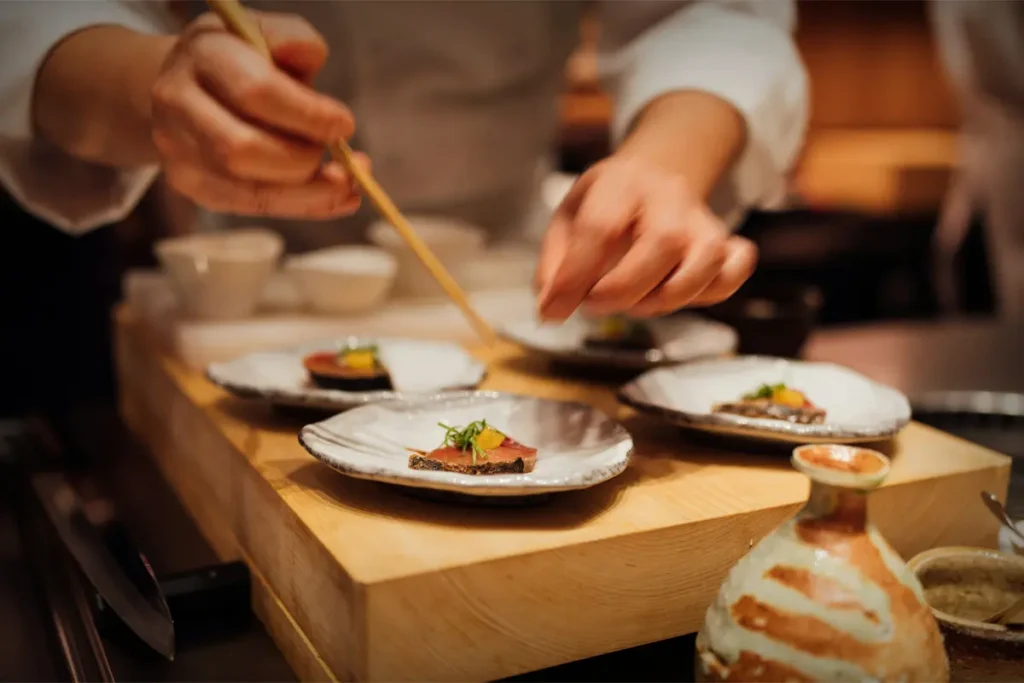
- Omakase sushi: $100–$300
- Michelin-star restaurants: $80–$250
While these experiences are optional, they showcase Japan’s dedication to craftsmanship and detail. Many travelers choose to splurge on one special meal while keeping other meals affordable.
Tips for Saving Money on Food in Japan
- Eat where locals eat — small neighborhood restaurants often offer the best value
- Take advantage of lunch menus, which are cheaper than dinner
- Mix convenience store meals with restaurant dining
- Avoid tourist-heavy restaurants near major attractions
Transportation Costs in Japan
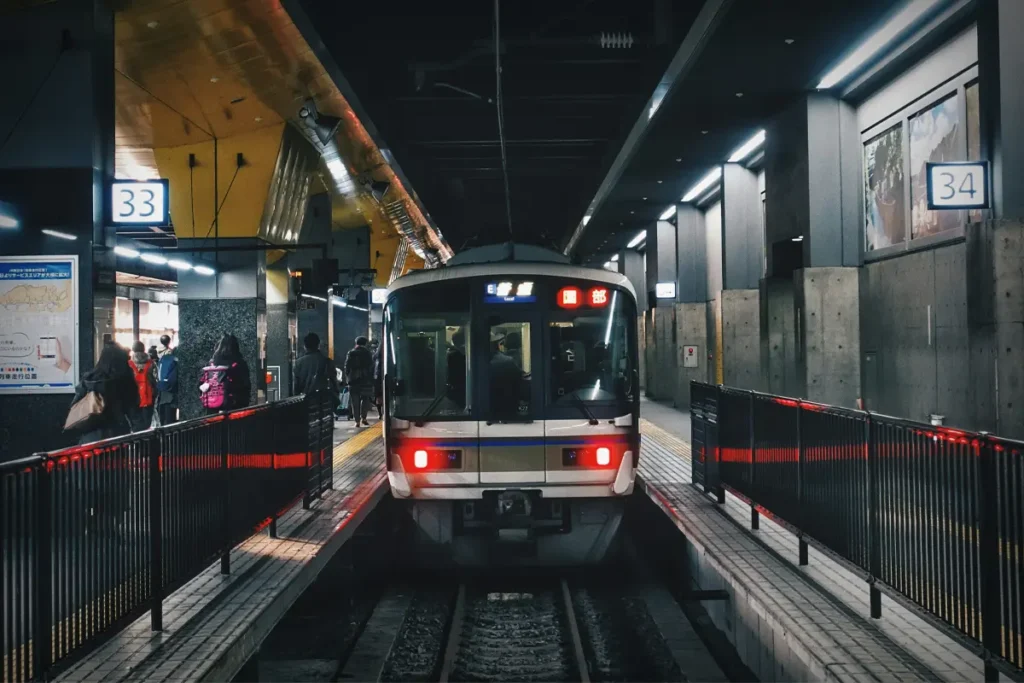
Japan’s transportation system is one of the most efficient and reliable in the world. While individual ticket prices may appear high at first glance, transportation costs often turn out to be more affordable than expected, especially when compared to destinations where taxis or car rentals are essential.
Daily Transportation Costs in Cities
Local train and subway rides typically cost between $1.50 and $3 per trip, making daily transport affordable even with frequent travel. Day passes and prepaid transit cards such as Suica or Pasmo help simplify budgeting and reduce the need for cash.
Because public transportation is so reliable, most travelers rarely need taxis, which significantly lowers daily expenses compared to destinations where taxis are unavoidable.
Long-Distance Travel and the JR Pass
High-speed trains (Shinkansen) are expensive when purchased individually, but they also replace domestic flights and long car rentals. The Japan Rail Pass can be cost-effective only for travelers covering long distances frequently in a short period.
For many first-time travelers staying primarily in one region, buying individual tickets is often cheaper than purchasing a JR Pass. Planning routes in advance helps avoid unnecessary transportation expenses.
Overall, Japan’s transportation system offers excellent value, even if upfront prices seem high.
Local Transportation
- Subway/train rides: $1.50–$3
- Day passes: $6–$10
Long-Distance Travel
- Tokyo → Kyoto (Shinkansen): ~$95 one way
- Regional trains: cheaper but slower options available
Japan Rail Pass – Is It Worth It?
- 7 days: ~$335
- 14 days: ~$535
JR Passes are worth it only if you travel long distances frequently. Otherwise, buying individual tickets is often cheaper.
Why Transportation Still Offers Good Value
Even with Shinkansen costs, Japan’s transport system often saves money overall. Reliable public transport reduces the need for taxis, rental cars, and domestic flights. For first-time travelers, this efficiency makes budgeting easier and travel less stressful.
Attractions and Activity Costs
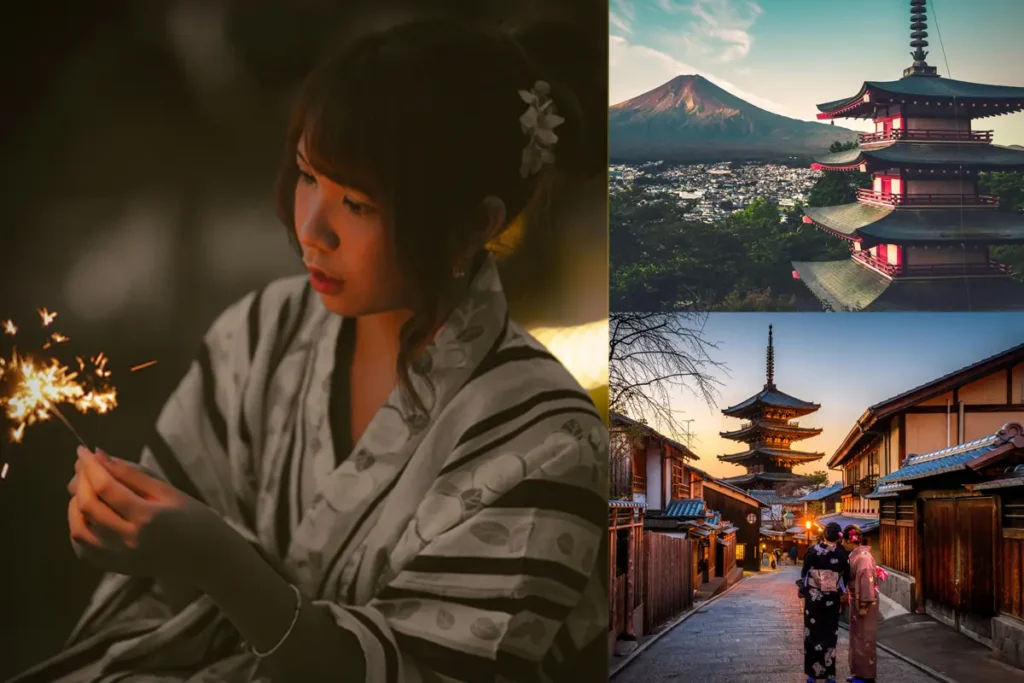
One of the biggest reasons Japan can feel surprisingly affordable for first-time travelers is the number of meaningful experiences that cost little or nothing. Unlike many destinations where major sights require paid entry, Japan allows visitors to experience its culture, history, and daily life without constantly paying entrance fees.
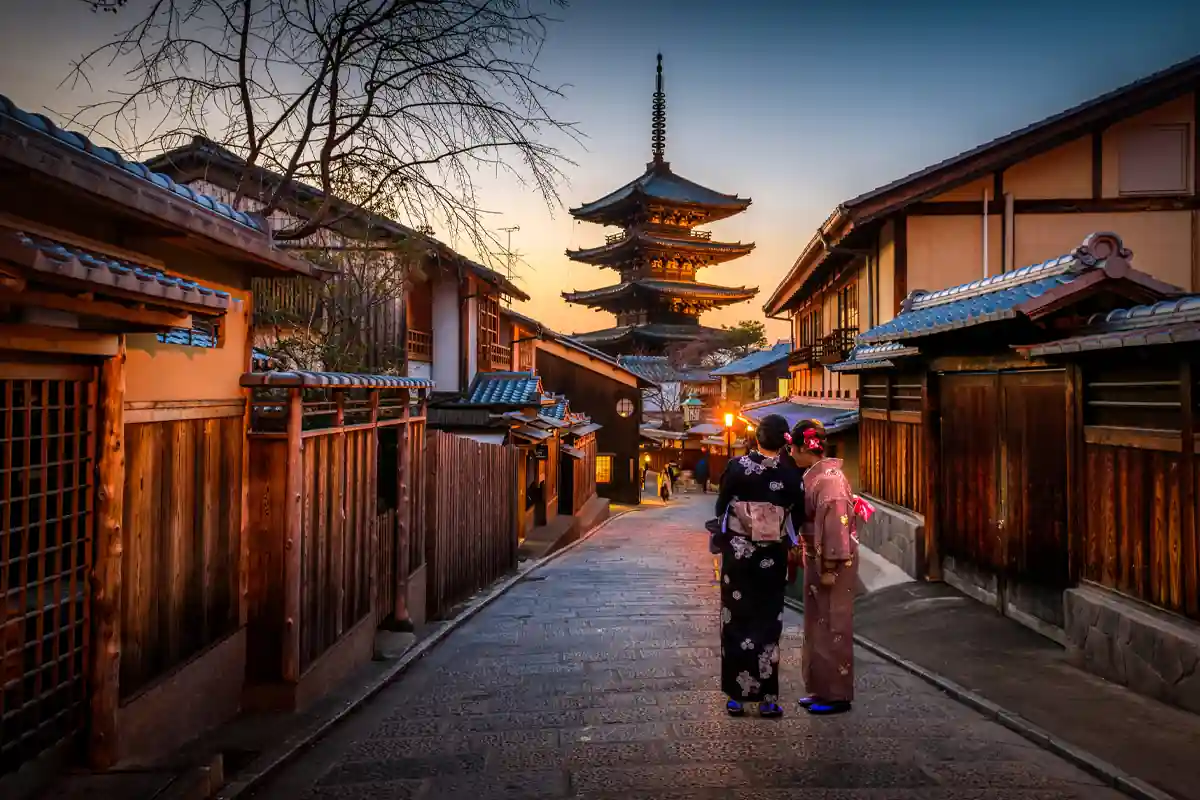
Temples, shrines, traditional neighborhoods, seasonal festivals, and scenic parks are often free or donation-based. Walking through historic districts such as Kyoto’s Gion area, exploring local shopping streets, or attending neighborhood festivals offers a deep cultural experience without adding to your daily budget.
Free and Low-Cost Experiences
Temples, shrines, traditional neighborhoods, seasonal festivals, and city parks are often free or require only a small donation. Walking through historic districts, exploring local markets, or attending seasonal events allows travelers to experience Japan deeply without spending much.
- Temples and shrines
- Traditional neighborhoods
- City parks
- Seasonal festivals
Paid Attractions
Museums, observation decks, theme parks, and cultural experiences typically range from $5 to $80, depending on the attraction. Compared to similar attractions in Western countries, prices are often lower while quality remains high.
For first-time travelers, mixing free cultural exploration with a few paid experiences creates a well-balanced itinerary without inflating daily costs.
- Museums: $5–$15
- Observation decks: $10–$25
- Theme parks: $60–$80
Daily Budget for First-Time Travelers
Understanding your daily budget is one of the most important parts of planning a first trip to Japan. The good news is that Japan offers a wide range of options, allowing first-time travelers to control costs without sacrificing safety, cleanliness, or overall experience.
Your daily expenses in Japan typically include accommodation, food, transportation, and attractions. How much you spend depends entirely on your travel style, not on fixed national prices.
Below is a realistic breakdown of what first-time travelers can expect to spend per day.
Budget Travelers: $50–$80 per Day
This budget is ideal for backpackers, students, and travelers who prioritize experiences over comfort.
A typical day on a budget includes:
- Staying in a hostel, capsule hotel, or basic business hotel
- Eating most meals at convenience stores, ramen shops, or casual eateries
- Using local trains, subways, and walking
- Visiting free attractions like temples, shrines, parks, and neighborhoods
Budget travelers can still enjoy Japan’s culture fully. Convenience store meals are fresh and affordable, public transport is reliable, and many of Japan’s most iconic sights cost little or nothing to explore.
This budget works best if you:
- Avoid frequent Shinkansen trips
- Travel slowly within one region
- Choose free or low-cost attractions
Mid-Range Travelers: $100–$180 per Day (Most First-Time Visitors)
This is the most popular budget range for first-time travelers and offers the best balance between comfort and cost.
A typical mid-range day includes:
- Staying in a business hotel or 3-star hotel
- Eating a mix of casual restaurants and sit-down meals
- Using local transport plus occasional long-distance trains
- Visiting paid attractions, museums, or cultural experiences
With this budget, travelers enjoy private rooms, convenient locations near train stations, and a wider variety of food options. You can comfortably explore major cities like Tokyo, Kyoto, and Osaka without feeling restricted.
For most first-time travelers, this budget provides:
- Comfort without luxury pricing
- Flexible daily planning
- Predictable expenses
Comfortable Travelers: $200–$350 per Day
This budget suits travelers who prefer comfort, convenience, and a relaxed pace.
A comfortable daily budget includes:
- Staying in well-located hotels or traditional ryokan
- Dining at high-quality restaurants or specialty dining experiences
- Using Shinkansen trains when needed
- Participating in cultural experiences, guided tours, or premium attractions
Travelers at this level enjoy minimal stress, faster transportation, and deeper cultural immersion. While costs are higher, Japan still delivers excellent value compared to luxury travel in many Western countries.
What Can Increase or Reduce Your Daily Budget?
Several factors can affect your daily spending:
- Season: Peak seasons (spring & autumn) increase accommodation costs
- Location: Major cities cost more than rural areas
- Transportation: Frequent Shinkansen use raises daily averages
- Accommodation choice: Business hotels offer the best value for first-timers
By adjusting just one or two of these factors, travelers can significantly change their daily budget.
1-Day Tokyo Itinerary Budget (First-Time Travelers)
This sample day shows how much you can realistically spend exploring Tokyo without rushing or overspending.
Morning — Traditional Tokyo Start
Breakfast (7:30–8:30 AM)
- Convenience store breakfast (onigiri + coffee or sandwich)
- Cost: $5–$7
Visit Senso-ji Temple (Asakusa)
- Explore Tokyo’s oldest temple
- Walk Nakamise Street (traditional snacks & souvenirs)
- Cost: Free (small optional donation)
Morning transport
- Subway or local train
- Cost: $2–$3
Late Morning to Afternoon — Culture & City Life
Lunch (11:30 AM–1:00 PM)
- Ramen shop or casual Japanese restaurant
- Cost: $8–$12
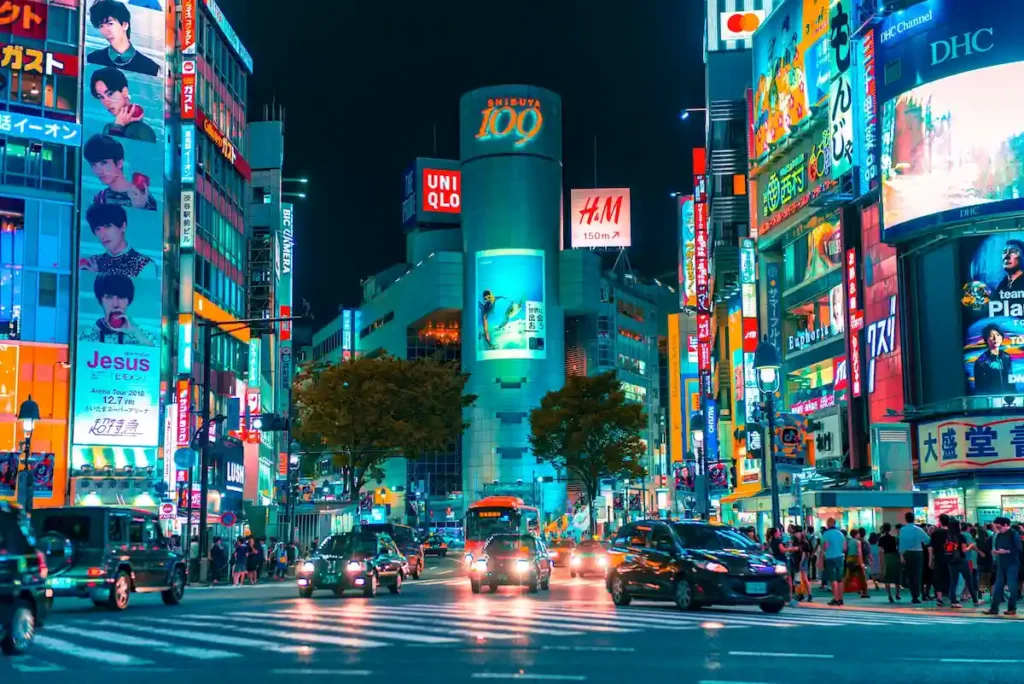
Explore Shibuya Crossing & Hachiko Statue
- Walk the world’s busiest pedestrian crossing
- Explore nearby streets & shops
- Cost: Free
Shibuya Sky or Tokyo Metropolitan Gov. Building (optional)
- Shibuya Sky (paid): $15–$25
- Tokyo Metropolitan Government Building (free alternative)
- Cost: $0–$25 (your choice)
Afternoon transport
- Subway or JR train
- Cost: $3–$5
Evening — Views & Food
Dinner (6:30–8:00 PM)
- Sushi, izakaya, or casual sit-down restaurant
- Cost: $15–$25
Evening walk or city views
- Walk through Shinjuku streets
- Optional nightlife stroll (no spending required)
So, is Japan expensive overall? Is Japan Worth the Cost?
The answers depends on your travel style, season, and how you plan your daily budget.
Japan offers safety, efficiency, cleanliness, and cultural depth rarely matched at similar price points. When planned well, it delivers exceptional value.
Japan isn’t cheap—but it’s honest, predictable, and flexible. For first-time travelers, it’s one of the easiest countries to budget for once you understand the costs.
So, is Japan expensive for first-time travelers? Not necessarily. With smart planning, budget-friendly accommodation, affordable food, and efficient public transport, Japan can be surprisingly affordable without sacrificing experience.
According to the Japan National Tourism Organization, Japan offers travel experiences suitable for both budget and luxury travelers.