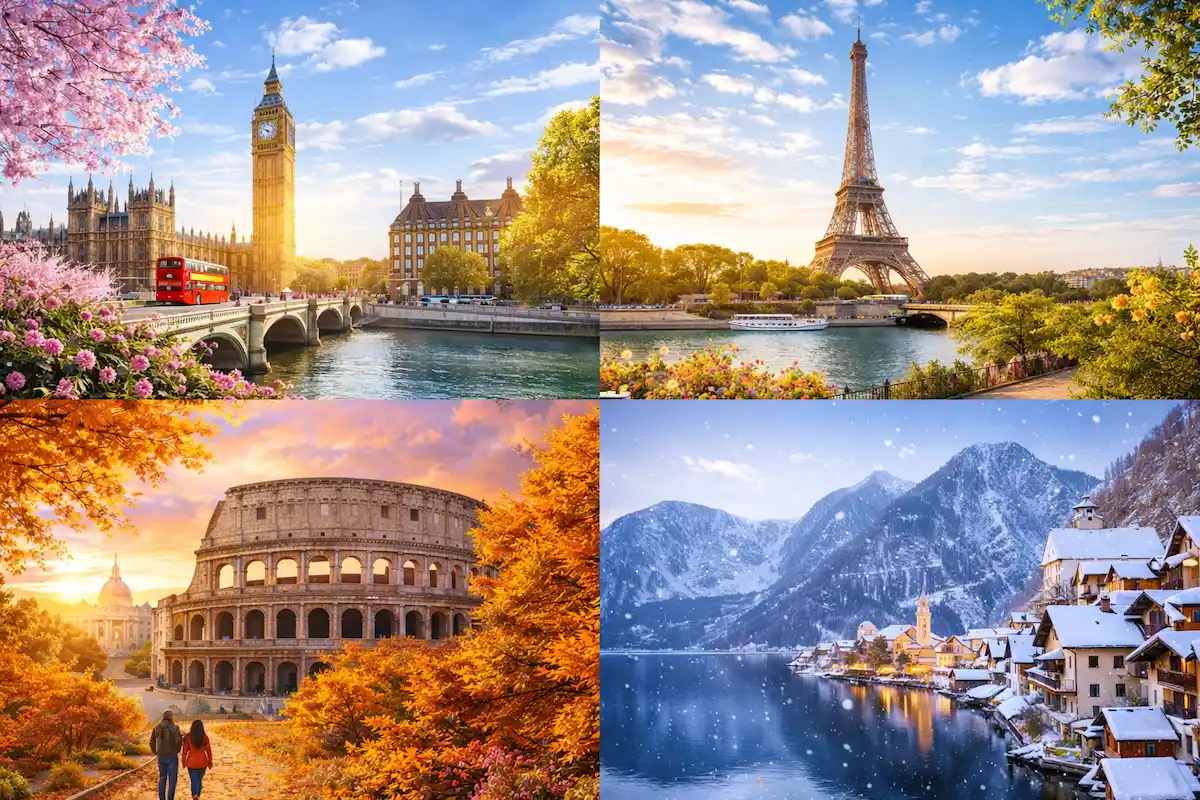
Best time to visit Europe for first-time travelers depends heavily on the season you choose, as Europe can feel completely different depending on when you arrive.
Europe is one of those destinations that feels completely different depending on when you visit. The same city can feel calm and charming in one season, then crowded and expensive in another. For first-time travelers, timing isn’t just a detail — it can shape your entire experience.
Many people choose Europe without thinking deeply about seasons. They assume summer is the best time to go, only to arrive during peak crowds, high prices, and overwhelming tourist numbers. Others avoid winter entirely, missing out on some of Europe’s most affordable and magical experiences.
The truth is simple: there is no single “best” time to visit Europe for everyone. The best time depends on your budget, travel style, tolerance for crowds, and what kind of experience you want. This seasonal guide breaks down what Europe is really like throughout the year, helping first-time travelers choose the best time to visit with confidence.
Why Timing Matters When Visiting Europe
Europe changes dramatically throughout the year. The same city can feel completely different depending on the month you visit. Prices, crowd levels, weather conditions, and even how smoothly attractions operate are all shaped by seasonal tourism patterns. Many first-time travelers underestimate this and assume Europe feels the same year-round — which often leads to unnecessary stress and overspending.
The season you travel directly influences:
- How much you spend on flights, hotels, and attractions
- How crowded cities feel, especially at major landmarks
- What the weather is like, from comfortable to extreme
- How easy sightseeing becomes, including queues and opening hours
- How relaxed or stressful your overall experience feels
During peak travel months, accommodation prices rise quickly, flights sell out faster, and popular attractions become overcrowded. In contrast, traveling during quieter months often means lower costs, shorter queues, and a slower, more enjoyable pace.
Why Europe feels different by season
Europe has strong and predictable seasonal travel cycles. Demand rises sharply in summer, especially in famous cities and coastal destinations. As demand increases, prices follow. Hotels that feel affordable in spring can double in price during summer, and flights that seem reasonable in autumn may become expensive during school holiday periods.
Seasonal changes also affect:
- Accommodation availability
- Flight frequency and pricing
- Attraction opening hours
- Public transport crowding
- Overall atmosphere of cities
For example, a destination that feels busy and expensive in August may feel calm, affordable, and charming just a few weeks later in October.

Understanding Europe’s Travel Seasons
Before choosing when to visit Europe, it’s important to understand how Europe itself defines travel seasons. Europe doesn’t operate on a single “good time” or “bad time” to travel. Instead, it moves through clear tourism cycles that dramatically change how destinations feel, how much you spend, and how enjoyable your trip is.
Europe generally has three main travel seasons, and each one creates a very different travel experience:
- Peak Season
- Shoulder Season
- Off-Season
These seasons affect far more than just the weather. They influence prices, crowd levels, attraction access, transportation comfort, and even how patient you feel standing in line.
Peak Season (The “Everyone Had the Same Idea” Season)
Peak season is when Europe is at its busiest — and loudest.
This is when school holidays, summer vacations, festivals, and perfect weather align, bringing millions of travelers to the same famous places at the same time.
During peak season, you can expect:
- The highest number of tourists everywhere you go
- The most expensive flights and hotels, often booked months ahead
- Long queues at attractions, sometimes longer than the attraction itself
- Great weather in many regions, especially for outdoor sightseeing
Peak season looks amazing in photos, but in real life it can feel like trying to enjoy a museum while standing in a slow-moving crowd. First-time travelers often underestimate how tiring this can be, especially in major cities like Paris, Rome, or Barcelona.
Peak season is not “bad” — but it requires patience, planning, and a slightly higher tolerance for crowds.
Shoulder Season (The Sweet Spot Season)
Shoulder season is the hidden gem of European travel, especially for first-time visitors.
This is the period just before or after peak season, when the weather is still pleasant but the crowds have thinned out and prices start to drop.
During shoulder season, you’ll notice:
- Balanced, comfortable weather for walking and sightseeing
- Fewer crowds, even at popular landmarks
- Better prices on flights and accommodation
- A calmer travel experience, ideal for beginners
This is the season when Europe feels like it’s finally breathing again. Attractions are easier to enjoy, restaurants feel more local, and public transport is less packed.
If Europe had a “beginner mode,” shoulder season would be it.
Off-Season (The Budget Traveler’s Secret Weapon)
Off-season is when Europe slows down — and that’s not always a bad thing.
This period sees the fewest tourists, the lowest prices, and the most peaceful streets. It’s perfect for travelers who value affordability, quiet exploration, and cultural immersion.
During off-season, expect:
- The lowest prices for flights and hotels
- Minimal crowds, sometimes feeling like you have places to yourself
- Shorter daylight hours, especially in northern regions
- Some attractions closing or reducing hours, depending on location
Off-season travel isn’t for everyone, but for budget-conscious first-time travelers who don’t mind cooler weather, it can be incredibly rewarding. Cities feel more authentic, and you’re not competing with tour groups for space.
Why Europe’s Size Changes Everything
One important thing many travelers forget: Europe is big and diverse.
Seasons don’t affect every region the same way.
For example:
- Southern Europe stays warmer longer and has extended shoulder seasons
- Northern Europe experiences shorter days and colder winters
- Eastern Europe often offers better value and fewer crowds year-round
This means you’re not locked into one experience. If summer feels overwhelming in Western Europe, another region may feel just right at the same time.
According to the European Commission, travelers can move freely between most European countries within the Schengen Area, making seasonal planning even more important..
Visiting Europe in Spring (March – May)
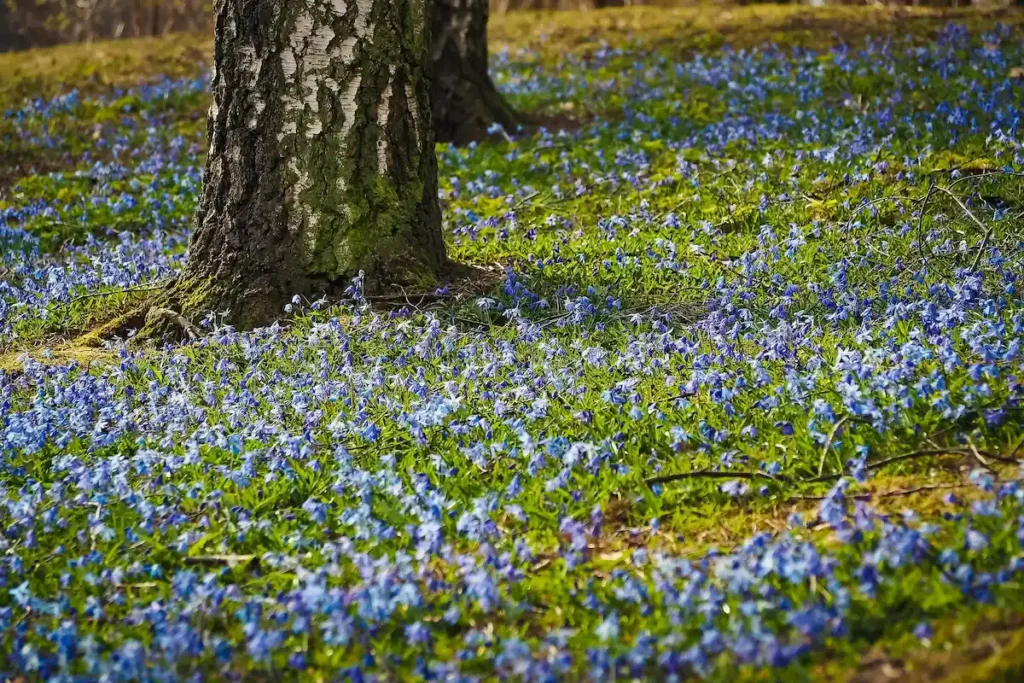
Spring is often considered one of the best seasons for first-time travelers visiting Europe, and for good reason. After the long winter months, European cities slowly wake up. Streets feel lighter, parks turn green again, and outdoor cafés begin to fill with locals enjoying the return of pleasant weather.
Spring is when Europe feels alive but not overwhelmed. You get the charm, beauty, and culture—without the shoulder-to-shoulder crowds of summer. For travelers who want to explore comfortably, spring offers a perfect balance between atmosphere and ease.
What Spring Is Like in Europe
Spring in Europe is all about gradual improvement. The weather doesn’t flip a switch overnight, but each week feels noticeably better than the last.
During spring, you can expect:
- Mild and comfortable temperatures, ideal for long walks
- Longer daylight hours, giving you more time to explore
- Fewer tourists compared to summer, especially in March and early April
- Gradually improving weather, with warmer days as the season progresses
Spring weather does vary by region. Southern Europe warms up earlier, while Northern and Central Europe take a little longer to shake off winter. That said, most destinations are very comfortable for sightseeing by April and May—perfect for the walking-heavy travel Europe is known for.
Why Spring Feels So Good for First-Time Travelers
One of the biggest advantages of spring is how relaxed Europe feels. Attractions are open, cities are active, but everything moves at a gentler pace. You’re far more likely to enjoy museums, historic streets, and viewpoints without battling massive tour groups.
Spring also gives you the freedom to explore spontaneously. Want to linger in a park? Sit at a café? Wander a historic neighborhood without a strict schedule? Spring allows for that kind of flexible travel—something first-time visitors truly appreciate.
Pros of Visiting Europe in Spring
Spring travel comes with a long list of benefits, especially for beginners.
Some of the biggest advantages include:
- Lower accommodation prices compared to peak summer months
- Easier access to popular attractions, with shorter queues
- Comfortable temperatures for sightseeing and walking tours
- Blooming parks, gardens, and city streets, adding extra charm
Spring is also perfect for photography. Softer light, blooming flowers, and fewer crowds make cities look even more beautiful—without someone’s selfie stick in every frame.
Cons of Spring Travel (Yes, It’s Not Perfect)
While spring is fantastic, it does come with a few small trade-offs.
Things to keep in mind:
- Weather can be unpredictable, especially in March
- You might experience a mix of sunshine, clouds, and light rain
- Some coastal destinations may feel quiet early in the season
- Not ideal for beach-focused trips, especially before late May
In other words, pack layers and a light jacket. Spring likes to surprise travelers—sometimes in a good way, sometimes with an unexpected rain shower just as you step outside.
Best European Destinations to Visit in Spring
Spring works especially well for cities known for culture, history, and walking-based exploration.
Some of the best destinations include:
- Paris – Parks bloom, crowds are manageable, and cafés return outdoors
- Rome – Comfortable temperatures for exploring ancient ruins
- Amsterdam – Tulip season turns the city into a postcard
- Barcelona – Warm days without intense summer heat
- Prague – Fewer crowds and beautiful spring scenery
- Vienna – Elegant streets and cultural sites feel calmer
These cities shine in spring because they allow you to explore comfortably without rushing—and without melting under summer heat.
Once you’ve decided on the best season to travel, you can start choosing destinations. Our guide to the Top 10 Places to Visit in Europe highlights the best cities and regions for first-time travelers, with budget tips for each stop.
What to Do in Europe During Spring
Spring is ideal for experiences that define Europe:
- City walking tours
- Museum hopping
- Historic neighborhood exploration
- Café hopping and people-watching
- Cultural events and seasonal festivals
It’s the season when Europe invites you to walk, wander, and explore at your own pace—without shouting, “Hurry up, it’s closing!”

Visiting Europe in Summer (June – August)
Summer is Europe’s most popular travel season — and also the most intense. This is the time when school holidays, music festivals, cruise passengers, and bucket-list travelers all arrive together, often with the same plan: “Let’s see everything.”
For first-time travelers, summer can feel exciting, vibrant, and unforgettable… but also crowded, expensive, and slightly exhausting if you’re not prepared. Europe in summer is like a giant open-air party — fun, energetic, and loud — but not always relaxing.
What Summer Is Like in Europe
Summer brings ideal weather and long daylight hours, which is why so many people choose it. However, it also brings peak demand.
During summer, you can expect:
- Warm to hot temperatures, especially in Southern Europe
- Very long daylight hours, with sunsets after 9 or 10 PM in some countries
- High tourist volume in major cities and attractions
- Peak pricing everywhere, from hotels to trains
Cities feel lively and energetic, but also noticeably more crowded. Popular landmarks that look peaceful in photos may feel like busy transit hubs in real life.
Why Summer Feels Overwhelming for First-Time Travelers
Summer can be challenging because everything happens at once. Attractions are busy, public transport is packed, and accommodation fills up quickly. First-time travelers often underestimate how much energy it takes to sightsee in heat while navigating crowds.
It’s still a great season — you just need realistic expectations and smart planning.
Pros of Visiting Europe in Summer
Despite the challenges, summer has some clear advantages that make it appealing.
The biggest benefits include:
- Best weather for beaches and coastal travel
- Festivals, concerts, and outdoor events across Europe
- Long daylight hours, allowing more time for sightseeing
- Vibrant nightlife and social atmosphere in cities and towns
If you love energy, movement, and outdoor life, summer delivers. Cities stay active late into the night, and many destinations feel especially alive.
Cons of Summer Travel (The Reality Check)
Summer’s popularity comes with trade-offs that first-time travelers should be aware of.
Common challenges include:
- Extremely crowded attractions, especially in famous cities
- Higher accommodation and flight prices, often booked months ahead
- Long queues at museums and landmarks
- Packed public transport, particularly during peak hours
- Heat making sightseeing tiring, especially in Southern Europe
Standing in line under the sun after walking all day is not everyone’s idea of a dream vacation.
Cities vs Coastal Destinations in Summer
Summer doesn’t affect all destinations equally.
Summer works better for:
- Mediterranean coastlines
- European islands
- Smaller towns and villages
These places are designed for summer travel and feel more relaxed.
On the other hand, major cities such as Paris, Rome, Barcelona, and Venice can feel overwhelming for first-time visitors during peak summer. Heat, crowds, and higher prices combine to create a more demanding experience.
Smart Summer Travel Tips for First-Time Visitors
Summer travel is completely doable — if you plan wisely.
Helpful tips include:
- Book accommodation far in advance to avoid inflated prices
- Visit popular attractions early in the morning or late in the evening
- Choose lesser-known destinations to escape crowds
- Avoid city hopping too frequently, as travel days become more tiring
Also, schedule breaks. Europe’s summer pace can be fast, and rest is just as important as sightseeing.
Visiting Europe in Autumn / Fall (September – October)
Autumn is often called Europe’s best-kept travel secret—and once you experience it, you’ll understand why. While summer crowds slowly disappear and temperatures cool down, Europe settles into a calmer, more comfortable rhythm. This is the season many experienced travelers deliberately choose, quietly skipping summer chaos while enjoying everything Europe has to offer.
Fall in Europe feels like the continent finally exhales. Streets become easier to walk, attractions feel less rushed, and prices start to come down. For first-time travelers, this creates a much smoother and more enjoyable introduction to European travel.

What Fall Is Like in Europe
Autumn brings some of the most pleasant travel conditions of the year. The intense summer heat fades, daylight is still generous, and cities feel far less crowded.
During fall, you can expect:
- Pleasant temperatures that are ideal for sightseeing
- Reduced crowds, even at famous landmarks
- Lower prices for accommodation and flights compared to summer
- Golden landscapes, colorful parks, and scenic countryside views
Cities feel more relaxed, cafés become quieter, and exploring no longer feels like a race against crowds. It’s Europe at a slower, more enjoyable pace.
Why Fall Is Ideal for First-Time Travelers
Fall is especially forgiving for beginners. Everything that feels overwhelming in summer—crowds, queues, packed transport—becomes more manageable.
For first-time travelers, fall offers:
- Easier navigation through cities, with fewer tourists everywhere
- Comfortable walking weather, perfect for long sightseeing days
- Less pressure and stress, allowing flexible daily plans
- Better availability of accommodation, even in popular destinations
Instead of constantly checking the time or worrying about reservations, you can actually slow down and enjoy where you are. And that’s a huge advantage on your first international trip.
Best European Destinations to Visit in Autumn
Autumn works beautifully across much of Europe, but some destinations shine even more during this season.
Top fall destinations include:
- Italy (Rome, Florence, Tuscany) – Ideal weather, fewer crowds, and stunning countryside
- Spain – Warm days without intense summer heat
- Portugal – Pleasant temperatures and coastal charm
- Germany – Cozy cities and cultural festivals
- Austria – Scenic landscapes and elegant city life
- Hungary – Great value, fewer tourists, rich culture
These places feel more authentic in fall, with locals reclaiming their cities after peak tourism season.
Special Experiences You Get Only in Fall
Autumn isn’t just about fewer crowds—it’s also about seasonal experiences.
Fall brings:
- Wine harvest season, especially in regions like Tuscany and Austria
- Food festivals celebrating local produce and traditional dishes
- Cultural events without the peak-season chaos
This is when Europe feels deeply local. Markets are full, restaurants serve seasonal menus, and cities feel lived-in rather than staged for tourists.

Visiting Europe in Winter (November – February)
Winter is easily Europe’s most misunderstood travel season. Many first-time travelers skip it entirely, imagining freezing temperatures, closed attractions, and gloomy cities. While winter does bring cold weather, the idea that Europe becomes dull or inconvenient is far from the truth.
In reality, winter is when Europe becomes quieter, cheaper, and more atmospheric. Streets feel calmer, famous landmarks are easier to enjoy, and prices drop significantly. For travelers who care more about culture, history, and value than beaches and sunbathing, winter can be a surprisingly rewarding time to visit.
What Winter Is Like in Europe
Winter in Europe varies widely by region. Southern Europe remains relatively mild, while Central and Northern Europe experience colder temperatures and, in some areas, snow.
During winter, you can expect:
- Cold temperatures, depending on the country and region
- Shorter daylight hours, especially in Northern Europe
- Minimal crowds, even in popular cities
- Very low prices compared to other seasons
Cities feel more local during winter. Without the constant flow of tour groups, you can walk through historic streets, museums, and cafés without feeling rushed or surrounded.
Why Winter Can Be a Smart Choice for First-Time Travelers
Winter removes many of the pressures that overwhelm beginners. Fewer crowds mean easier navigation, shorter queues, and more relaxed sightseeing.
For first-time travelers, winter offers:
- Less competition for accommodation, even in famous cities
- More personal experiences at museums and attractions
- Slower-paced travel, ideal for learning how Europe works
- Lower daily costs, making budgeting much easier
You may need a warm jacket—but you’ll gain space, calm, and affordability in return.
Pros of Visiting Europe in Winter
Winter is the most budget-friendly season in Europe, and that alone makes it appealing.
Major advantages include:
- Cheapest flights and accommodation of the year
- Very few tourists, even at iconic landmarks
- Magical Christmas markets in many countries
- Snowy landscapes in alpine and northern regions
Christmas markets, in particular, transform European cities into festive wonderlands with lights, music, and seasonal food. Even travelers who dislike cold weather often fall in love with Europe during this time.
Cons of Winter Travel (The Honest Part)
Winter travel isn’t perfect, and it’s important to know what you’re signing up for.
Potential downsides include:
- Cold weather, especially outdoors
- Short daylight hours, limiting sightseeing time
- Some attractions closing or reducing hours, particularly in smaller towns
That said, major cities remain fully functional, and most museums, transport systems, and restaurants operate normally year-round.
Best European Destinations to Visit in Winter
Some places shine brightest during winter, offering experiences you simply don’t get in other seasons.
Top winter destinations include:
- Germany – Famous Christmas markets and festive cities
- Austria – Beautiful alpine scenery and cozy city life
- Switzerland – Ideal for snow lovers and winter landscapes
- Prague – Atmospheric streets with fewer tourists
- Budapest – Thermal baths feel even better in cold weather
- Northern Europe – Snowy scenery and winter charm
Cities like Prague and Budapest, in particular, feel incredibly atmospheric in winter, with misty streets, historic architecture, and warm cafés offering refuge from the cold.
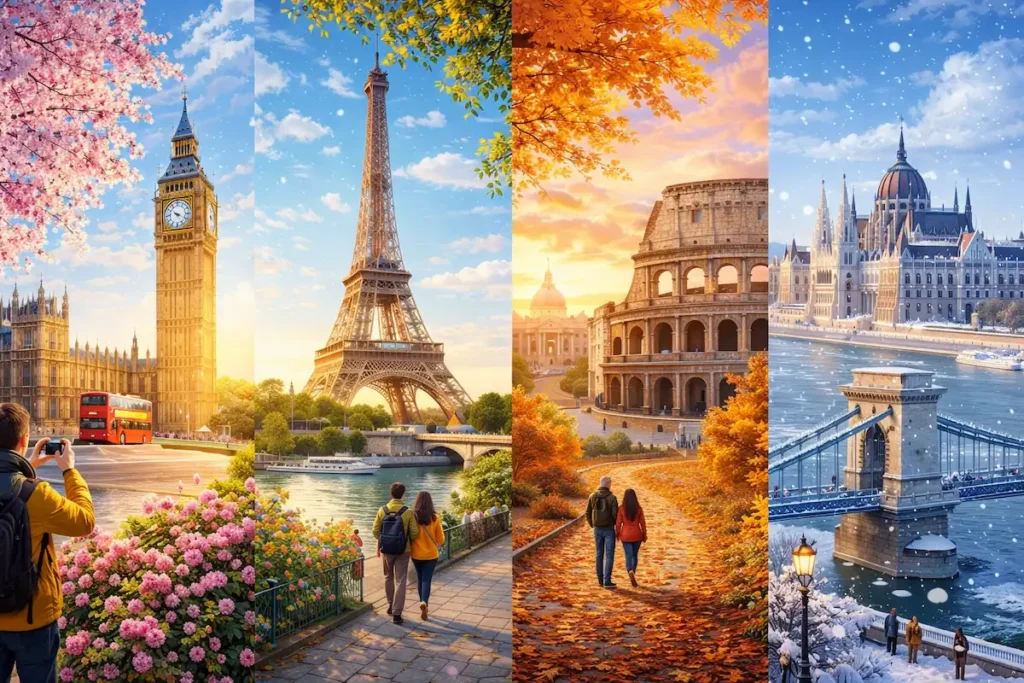
Best Time to Visit Europe for First-Time Travelers (Quick Summary)
If you’re visiting Europe for the first time, choosing the right season can make your trip feel smooth, affordable, and enjoyable — or stressful and overwhelming. While Europe can be visited year-round, some seasons are far more beginner-friendly than others.
Instead of guessing, here’s a simple breakdown based on travel goals.
Best Overall Season for First-Time Travelers
For most beginners, spring and autumn offer the best balance of everything Europe is known for.
Recommended months:
- Spring: April–May
- Autumn: September–October
These seasons provide:
- Comfortable weather for walking-heavy sightseeing
- Fewer crowds at major attractions
- More reasonable accommodation prices
- Easier navigation through cities
Europe feels lively during these months, but not chaotic. You can enjoy famous cities without constant queues, packed transport, or extreme weather. For a first international trip, this balance makes a huge difference.
Best Season for Budget Travelers
If saving money is your top priority, timing matters even more.
Best budget-friendly periods:
- Winter (January–February)
- Late autumn (November)
- Early spring (March)
During these months:
- Flights are significantly cheaper
- Hotels and guesthouses reduce prices
- Tourist demand is very low
- Popular cities feel calmer and more local
Budget travelers who don’t mind cooler weather can save hundreds of euros by traveling outside peak season. Many museums, cafés, and transport systems operate normally, especially in major cities.
Best Season for Sightseeing
Sightseeing in Europe involves a lot of walking, standing, and outdoor exploration — so weather and crowd levels matter.
Best seasons for sightseeing:
- Spring
- Autumn
Why these seasons work best:
- Mild temperatures prevent travel fatigue
- Fewer tourists mean shorter queues
- Cities are easier to explore on foot
- Attractions are more enjoyable without rushing
Spring and autumn allow you to explore at a comfortable pace, which is especially important when you’re still getting used to European transport systems and city layouts.
Best Season for Beaches
If your Europe trip is focused on beaches, coastal towns, and island life, summer makes more sense — with a few caveats.
Best beach seasons:
- Summer (June–August)
- Late spring (May), especially in Southern Europe
Summer offers:
- Warm sea temperatures
- Long daylight hours
- Active beach towns and nightlife
However, prices and crowds are highest during this time. Late spring is often a smarter alternative, offering warm weather with fewer tourists — especially in Southern Europe.
Cheapest Months to Visit Europe
The most budget-friendly months are:
- January
- February
- Early March
- Late November
During these months, Europe is at its quietest. Flights are cheaper, accommodation discounts are common, and popular cities feel far less crowded. Costs fall mainly due to reduced demand.
Key reasons include:
- Fewer tourists traveling
- Lower demand for hotels and flights
- Airlines offering discounted fares
- Hotels lowering prices to fill rooms
Tourism businesses adjust pricing based on demand, not quality. The cities don’t change — only the number of visitors does.
How Much Can Budget Travelers Save?
Travelers willing to dress for colder weather can save significantly.
Potential savings include:
- Lower nightly hotel rates
- Cheaper flights
- Fewer paid attraction add-ons
- Less spending due to reduced crowds
For longer trips, these savings can add up to hundreds or even thousands of euros, making Europe far more accessible for first-time travelers on a budget.
If this is your first time traveling to Europe, it’s also worth reading our Europe Travel Tips for First-Time Visitors to understand visas, money, transport, and common mistakes before choosing the best season.
Final Takeaway on Timing
The best time to visit Europe depends on what you value most:
- Comfort → Spring or Autumn
- Savings → Winter or shoulder months
- Beaches → Summer or late spring
Once you match the season to your travel style, Europe becomes easier, more affordable, and far more enjoyable — especially for first-time visitors.
Worst Time to Visit Europe for First-Time Travelers
There is no single “bad” time to visit Europe, but some periods are significantly more challenging for first-time travelers. The difficulty usually comes from a combination of crowds, higher prices, and increased travel stress — not from Europe itself.
For travelers who are new to international trips, certain times of the year can make Europe feel overwhelming rather than enjoyable. Understanding these periods helps you avoid common frustrations and plan more realistically.
Most Challenging Periods for First-Time Visitors
Some times of the year are particularly demanding, especially if it’s your first time navigating European cities, transport systems, and cultural differences.
The most challenging periods include:
- July and August in major cities
These are peak summer months when tourism reaches its highest level. Famous cities like Paris, Rome, Barcelona, and Amsterdam experience heavy crowds, long queues, and packed public transport. - School holiday weeks
During European and international school holidays, family travel increases dramatically. Attractions become busier, accommodation fills up quickly, and prices rise across the board. - Major festival periods without proper planning
Events like large music festivals, cultural celebrations, or city-wide holidays attract massive crowds. Without advance planning, finding accommodation or transport can be difficult and expensive.
Why These Periods Can Be Difficult
These challenging periods share several common factors that can affect a first-time travel experience.
Key reasons include:
- Crowds everywhere
Popular attractions may require long waits, and city centers can feel congested. For beginners, navigating busy areas can be tiring and confusing. - Heat and fatigue
Summer heat, especially in Southern Europe, can make walking and sightseeing exhausting. Combined with crowds, this often leads to travel fatigue. - High prices
Flights, hotels, and even basic services cost more during peak periods. First-time travelers may feel pressured to overspend just to secure accommodation or transport. - Stressful transportation
Trains, buses, and metros are more crowded, reservations sell out quickly, and delays are more common. This adds unnecessary stress when you’re still learning how Europe’s systems work.
What This Means for First-Time Travelers
For experienced travelers, these challenges may be manageable. But for first-time visitors, they can turn an exciting trip into a stressful one.
Common experiences during these periods include:
- Rushing from place to place
- Spending more time waiting than exploring
- Feeling overwhelmed by logistics
- Going over budget unexpectedly
How to Avoid These Challenges
The good news is that avoiding the “worst” times is often easy.
Better alternatives include:
- Traveling in spring or autumn instead of peak summer
- Choosing smaller cities or less tourist-heavy destinations
- Planning well in advance if you must travel during busy periods
- Allowing extra time for transport and sightseeing
Europe Seasonal Comparison Table
| Season | Cost | Crowds | Weather | Best For |
| Spring | Medium | Low | Mild | First-time travelers |
| Summer | High | Very High | Hot | Beaches & festivals |
| Autumn | Medium-Low | Low | Mild | Culture & budget |
| Winter | Low | Very Low | Cold | Budget & Christmas |
Final Thoughts: When Is the Best Time to Visit Europe?
Europe doesn’t have one single “perfect” season — instead, it offers many great travel options throughout the year, each shaped by different weather, crowd levels, and travel costs. This flexibility is one of Europe’s biggest advantages. Whether you prefer lively cities, quiet streets, budget-friendly travel, or warm weather, there is a season that fits your style.
For first-time travelers, spring and autumn stand out as the easiest and most enjoyable seasons to visit Europe. These months combine comfortable weather with manageable crowds and more reasonable prices. Cities feel active without being overwhelming, making it easier to explore, navigate public transport, and enjoy attractions without rushing. For beginners, this balance helps build confidence and keeps the trip enjoyable rather than stressful.
Once you understand how seasons shape Europe, trip planning becomes far simpler. Instead of chasing “popular months” or copying other people’s itineraries, you start making choices based on what works best for you. This shift leads to better budgeting, smoother travel days, and a more relaxed overall experience.
Europe truly rewards travelers who plan intentionally. When you choose the right season, you spend less time dealing with crowds and logistics — and more time enjoying culture, food, and unforgettable moments.
Key takeaways for first-time travelers:
- Europe offers great experiences in every season, not just summer
- Spring and autumn provide the best balance of comfort, cost, and crowds
- Understanding seasonal differences makes planning easier and smarter
- Choosing the right timing reduces stress and improves enjoyment
- Travel becomes more rewarding when it matches your personal style
By selecting the season that fits your goals, you don’t just visit Europe — you experience it in the best way possible for you.
Once you’ve decided on the best season to travel, you can start choosing destinations. Our guide to the Top 10 Places to Visit in Europe highlights the best cities and regions for first-time travelers, with budget tips for each stop.