Sri Lanka travel 2026 is shaping up to be one of the biggest success stories in Asian tourism, with travelers choosing the island for its affordability, authenticity, and diverse experiences.
Sri Lanka is experiencing one of the strongest tourism revivals in Asia in 2026. What was once seen as a niche destination—often overlookedin favor of more commercialized Asian hotspots—has now firmly entered the global travel spotlight. Travelers across Europe, the UK, Australia, North America, and Asia are increasingly choosing Sri Lanka as they seek destinations that feel authentic, affordable, and rich in real experiences rather than mass tourism.
One of Sri Lanka’s greatest strengths is the extraordinary range of experiences available within a compact island. In a single trip, travelers can relax on pristine beaches, explore mist-covered hill country, walk through ancient cities with thousands of years of history, and experience wildlife safaris in national parks—all without long-distance travel or complex logistics. This diversity allows visitors to experience multiple styles of travel in one journey, something few destinations can offer so seamlessly.
Key factors behind Sri Lanka’s tourism boom in 2026 include:
- Growing global demand for authentic and experience-based travel
- Strong value for money compared to many Asian and global destinations
- A unique mix of beaches, mountains, culture, and wildlife in one place
- Rising interest in slow travel, wellness, and nature-focused trips
- Increased global awareness through word-of-mouth and repeat visitors
Sri Lanka’s growing popularity is also closely tied to broader global travel trends. Travelers in 2026 are prioritizing destinations that offer sustainability, cultural respect, and local connection—areas where Sri Lanka has a natural advantage. Many cultural sites remain living spaces rather than staged attractions, and everyday local life is still deeply woven into the travel experience.
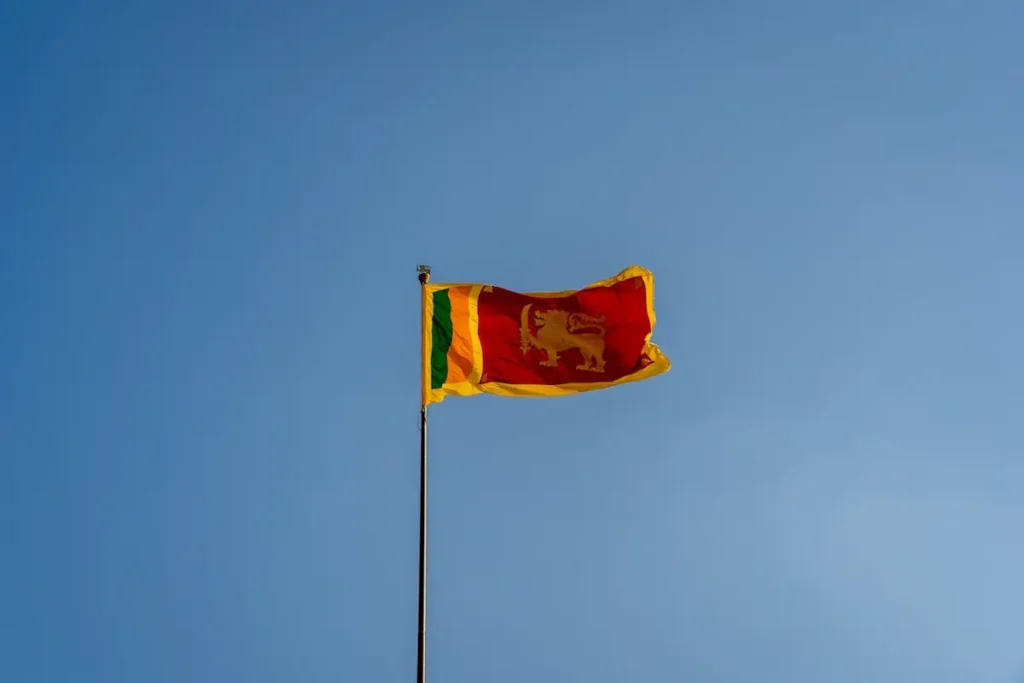
Why Sri Lanka Is a Top Trending Destination in 2026
Sri Lanka’s rise in popularity is not random or driven by short-term hype. It closely reflects how global travel behavior has evolved after the pandemic and into 2026. Travelers today are more intentional with their choices. Instead of rushing through destinations or focusing only on luxury, they are looking for trips that feel meaningful, balanced, and worth their time and money.
Sri Lanka fits these expectations exceptionally well. The country offers cultural depth, natural beauty, and affordability in a way that feels organic rather than manufactured for tourism. As travelers become more selective and experience-focused, Sri Lanka naturally stands out among Asian destinations.
Global Shift Toward Experience-Based Travel
Modern travelers are moving away from rigid itineraries and “must-see” checklists. In 2026, the focus is on how a destination feels, not just what it looks like in photos. People want to slow down, connect with local culture, and return home with stories rather than just pictures.
Sri Lanka aligns perfectly with this shift. Travelers can interact with local communities, eat traditional food prepared for everyday life rather than tourists, and experience nature without heavy commercialization. Whether it’s spending time in a hill-country village, visiting a local market, or watching wildlife in a natural setting, the experiences feel genuine and personal.
Key experiences modern travelers are actively seeking include:
- Meaningful cultural interactions rather than surface-level sightseeing
- Nature-focused travel such as beaches, mountains, and wildlife
- Wellness and mental-reset trips that encourage slower travel
- Destinations that offer strong value without sacrificing quality
Sri Lanka allows travelers to enjoy all of these at a relaxed pace, without the pressure of high daily costs or overcrowded attractions.
Strong Growth in Search Demand
Sri Lanka’s popularity is also clearly reflected in search behavior. Travel-related searches for Sri Lanka have shown consistent growth, indicating that interest is translating into real planning—not just casual browsing.
People are actively researching logistics, seasons, and budgets, which signals strong intent to visit. This type of search behavior typically appears when a destination moves from “interesting” to “seriously considered.”
Frequently searched terms include:
- Sri Lanka travel guide
- Sri Lanka itinerary
- Best time to visit Sri Lanka
- Sri Lanka budget travel
These searches show that travelers are not only inspired by Sri Lanka, but are also preparing detailed travel plans. This level of intent is a strong indicator that Sri Lanka’s travel boom in 2026 is driven by genuine demand and is likely to continue rather than fade.
For additional destination insights and background information, travelers can also refer to Lonely Planet’s Sri Lanka travel guide, which highlights the country’s culture, landscapes, and travel essentials.
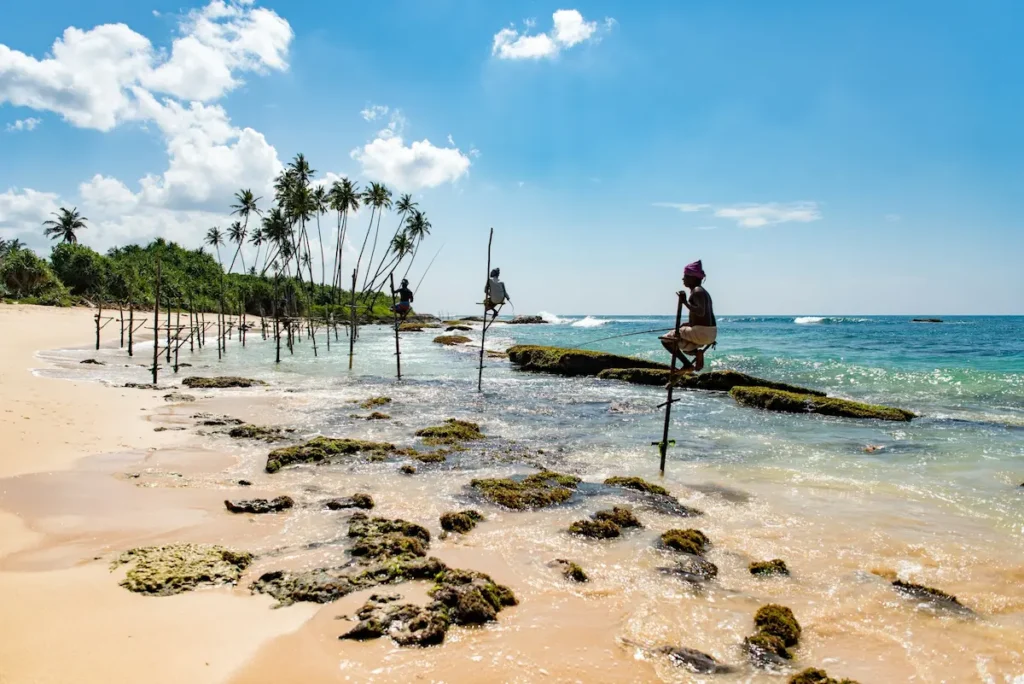
What Makes Sri Lanka Different From Other Asian Destinations
While Sri Lanka often gets compared to popular Asian destinations such as Thailand, Bali, and Vietnam, it offers a set of advantages that clearly set it apart. Many established destinations in Asia are now heavily commercialized and crowded, which has changed the overall travel experience. Sri Lanka, on the other hand, still manages to balance tourism growth with authenticity, giving travelers access to diverse experiences without the feeling of mass tourism.
Rather than focusing on one type of travel—such as beaches or nightlife—Sri Lanka offers a well-rounded experience that appeals to a wide range of travelers. This balance is a key reason why the country is attracting attention in 2026 from travelers looking for something different yet accessible.
A Small Island With Massive Diversity
One of Sri Lanka’s greatest strengths is how much variety it offers within a compact geographic area. Unlike larger countries where traveling between regions can take days, Sri Lanka allows visitors to experience completely different landscapes within a few hours. This makes trip planning easier and far less exhausting, especially for first-time visitors or shorter trips.
In a single journey, travelers can experience:
- Tropical beaches along both the south and east coasts
- Cooler hill-country climates with tea plantations and misty views
- Dense rainforests, waterfalls, and scenic hiking trails
- Ancient UNESCO World Heritage sites with deep cultural history
- Wildlife safaris featuring elephants, leopards, and birdlife
Because travel times between regions are relatively short, visitors can spend more time exploring and less time in transit. This efficiency allows travelers to enjoy multiple styles of travel—relaxation, adventure, culture, and nature—within one trip.
Less Overcrowded Than Major Tourist Hotspots
Another major factor that differentiates Sri Lanka is the absence of extreme overtourism in many parts of the country. While some popular coastal towns and heritage sites attract visitors, large areas of Sri Lanka still feel uncrowded and deeply connected to local life. This creates a calmer, more personal travel experience that many modern travelers actively seek.
Compared to major tourist hotspots, Sri Lanka appeals to travelers who value:
- Quiet, less-commercialized beaches
- Authentic villages and local neighborhoods
- Fewer tour buses and large tourist groups
- Genuine interaction with locals rather than scripted experiences
This sense of space and authenticity is a powerful reason why Sri Lanka continues to gain popularity in 2026. Travelers increasingly want destinations where they can slow down, observe everyday life, and feel like guests rather than tourists—and Sri Lanka offers exactly that.
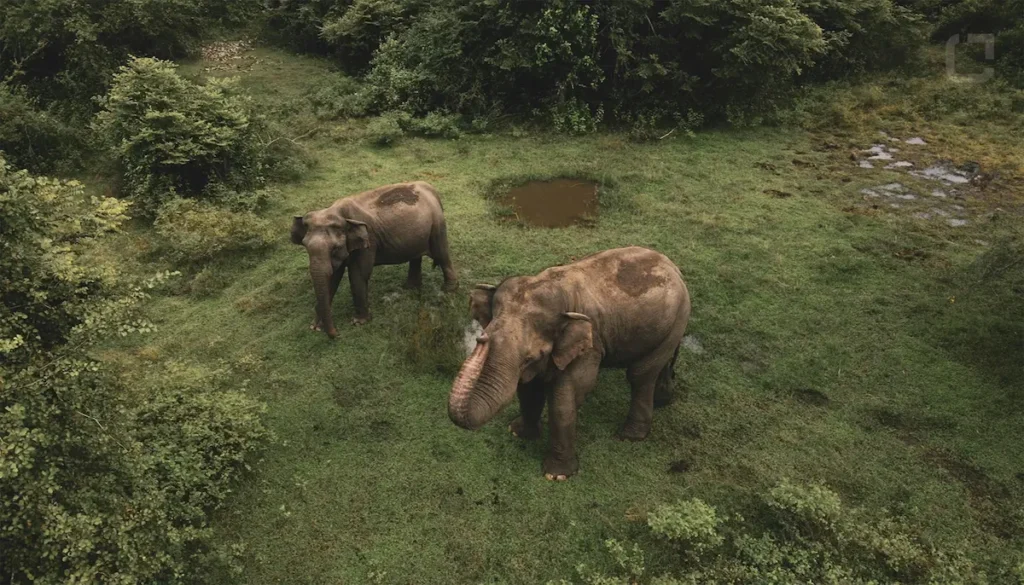
Nature and Wildlife Tourism in Sri Lanka
Sri Lanka is widely recognized as one of the most rewarding nature and wildlife destinations in Asia, especially when its compact size is taken into account. Few countries in the region offer such a dense concentration of ecosystems, wildlife habitats, and scenic landscapes within short travel distances. In 2026, as travelers increasingly seek destinations that prioritize nature, sustainability, and ethical tourism, Sri Lanka’s natural offerings play a central role in its growing popularity.
What makes Sri Lanka particularly appealing is how seamlessly wildlife experiences blend into broader travel itineraries. Travelers do not need to dedicate an entire trip solely to safaris or trekking. Instead, nature experiences can be combined with beaches, cultural sites, and local life, creating a balanced and immersive journey. This flexibility strongly appeals to modern travelers who want variety without complexity.
National Parks and Safaris
Sri Lanka’s national parks are among the country’s biggest draws for wildlife lovers. Despite its small size, the island supports a remarkable range of species and habitats, allowing travelers to experience diverse wildlife encounters within a relatively short time frame. Safaris in Sri Lanka are typically conducted in open, natural environments rather than fenced reserves, which enhances the authenticity of the experience.
Visitors can encounter a wide range of wildlife, including:
- Leopards, elephants, sloth bears, crocodiles, and deer
- Rich birdlife across wetlands, forests, lagoons, and grasslands
- Large elephant herds roaming freely in open-landscape parks
In recent years, wildlife tourism in Sri Lanka has become more structured and regulated. Authorities and park operators have placed greater emphasis on conservation, visitor management, and ethical viewing practices. These measures help reduce stress on animals, protect fragile ecosystems, and ensure that tourism contributes positively to local communities. For travelers in 2026 who are increasingly conscious about responsible tourism, this approach makes Sri Lanka’s safari experiences both appealing and reassuring.
Rainforests, Mountains, and Waterfalls
Beyond its national parks, Sri Lanka’s interior is rich in natural beauty and ecological diversity. The central highlands and southern regions feature cooler climates, dramatic mountain landscapes, and dense rainforests that contrast sharply with the island’s coastal areas. This variety allows travelers to experience entirely different environments within the same trip.
Nature and adventure travelers are drawn to:
- Cloud forests and mist-covered mountain ranges with scenic viewpoints
- Tropical rainforests known for exceptional plant and animal biodiversity
- Hundreds of waterfalls that become especially dramatic after monsoon seasons
These regions are increasingly popular in 2026 among hikers, photographers, eco-tourists, and travelers seeking slower, more reflective experiences. Compared to heavily visited mountain destinations elsewhere in Asia, many of Sri Lanka’s highland and rainforest areas remain relatively uncrowded, offering a sense of peace and connection with nature that modern travelers deeply value.

Sri Lanka’s Beaches and Coastal Travel Appeal
Beach travel continues to be one of the strongest pillars of tourism in Sri Lanka, and in 2026 it plays a major role in the country’s growing popularity. With a long coastline stretching across the south, west, and east, Sri Lanka offers beach experiences that range from lively surf towns to quiet, untouched shores. Unlike many beach destinations that focus only on resorts, Sri Lanka’s coast blends natural beauty with local culture, making beach travel feel relaxed and authentic rather than overly commercial.
What sets Sri Lanka apart is the variety of coastal experiences available throughout the year. Different regions shine in different seasons, allowing travelers to plan beach-focused trips at almost any time without facing extreme weather or overcrowding. This flexibility has made Sri Lanka especially appealing to travelers who want sun, sea, and variety without rigid travel windows.
South Coast Beaches
The south coast is the most developed beach region in Sri Lanka, yet it has managed to retain a laid-back atmosphere that appeals to a wide range of travelers. Infrastructure is well-established, making it easy to travel, find accommodation, and access activities, while still maintaining a strong sense of local character.
Travelers visiting the south coast enjoy:
- Calm beaches suitable for swimming and relaxing
- Seasonal whale watching experiences along the coast
- Surf towns with a strong café culture and social atmosphere
This region is particularly ideal for first-time visitors to Sri Lanka. It offers comfort, convenience, and a welcoming travel environment without losing the charm of local life. Travelers can easily balance beach relaxation with cultural experiences, food exploration, and short inland trips.
East Coast Beaches
In recent years, the east coast has grown in popularity, especially among travelers looking for quieter and less crowded beach destinations. Seasonal weather patterns make the east coast the best option during certain months, drawing visitors who want clear skies and calm seas while other regions experience monsoon conditions.
The east coast appeals to travelers because of:
- Favorable seasonal weather during peak travel months
- Fewer crowds and a more peaceful beach environment
- Clearer waters and wide, open beaches ideal for swimming
This natural shift between south and east coast travel helps distribute tourism more evenly across the island. As a result, Sri Lanka avoids the extreme overdevelopment seen in some global beach destinations, preserving both the environment and the quality of the travel experience. This balance is one of the key reasons Sri Lanka’s coastal tourism continues to grow sustainably in 2026.
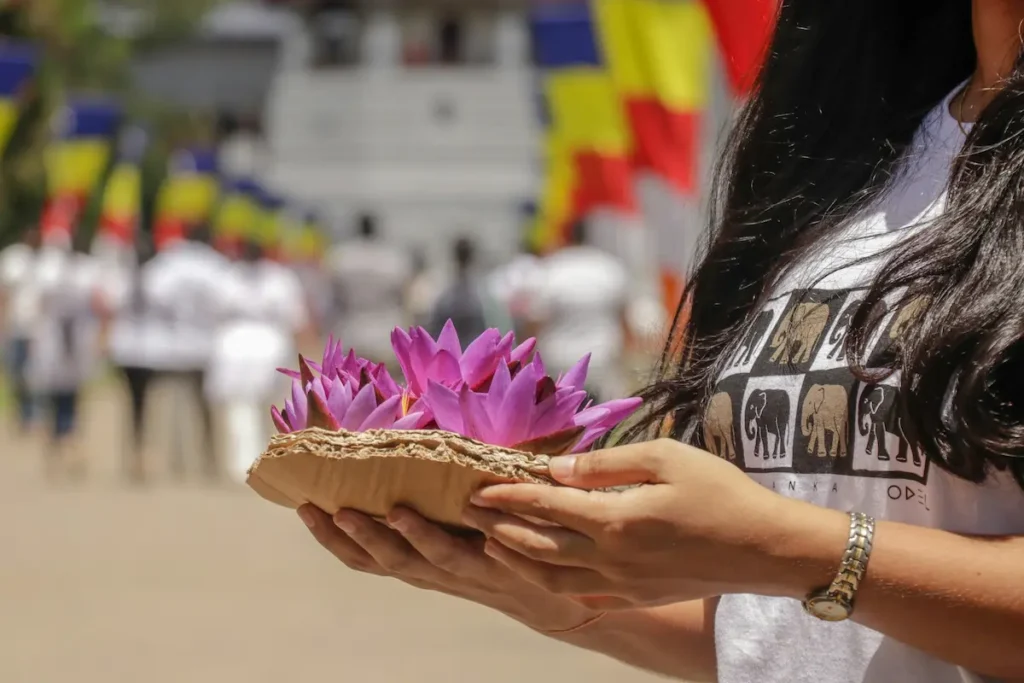
Cultural and Historical Experiences
Sri Lanka’s cultural depth is one of its most underrated strengths and a major reason why travelers find the destination so memorable. With a recorded history spanning more than 2,500 years, the island offers far more than isolated historical attractions. Culture in Sri Lanka is deeply woven into everyday life, from religious practices and architecture to festivals, food, and community traditions.
In 2026, travelers are increasingly drawn to destinations where culture feels alive rather than preserved behind glass. Sri Lanka stands out because its history is not confined to museums—it continues to shape daily routines, beliefs, and celebrations. This living connection between past and present creates richer, more meaningful travel experiences.
Ancient Cities and Heritage Sites
Sri Lanka’s long and well-documented history allows travelers to explore some of South Asia’s most significant ancient cities and sacred sites. These locations are not only historically important but also actively used for worship and cultural gatherings, which adds emotional depth to each visit.
Travelers can explore:
- Ancient capitals that once served as political and cultural centers
- Sacred Buddhist and Hindu sites that remain active places of worship
- Well-preserved ruins, monuments, and archaeological complexes
Because these sites are still integrated into modern religious and cultural life, visitors often witness rituals, pilgrimages, and ceremonies alongside sightseeing. This combination of history and living tradition makes cultural exploration in Sri Lanka feel immersive rather than observational.
Living Culture and Traditions
Beyond its ancient monuments, Sri Lanka’s living culture plays a powerful role in shaping the travel experience. Cultural expression is visible in daily routines, artistic traditions, and community life, offering travelers countless opportunities to connect with local heritage in authentic ways.
Travelers can experience:
- Temple ceremonies that reflect centuries-old spiritual practices
- Traditional dance and music performances rooted in ritual and storytelling
- Local festivals that bring communities together throughout the year
- Village life, handicrafts, and artisanal traditions passed down through generations
In 2026, cultural immersion has become a key motivator for travel, as people seek deeper understanding rather than surface-level encounters. Sri Lanka offers this naturally, allowing travelers to engage with culture as it is lived—unforced, welcoming, and deeply connected to everyday life.
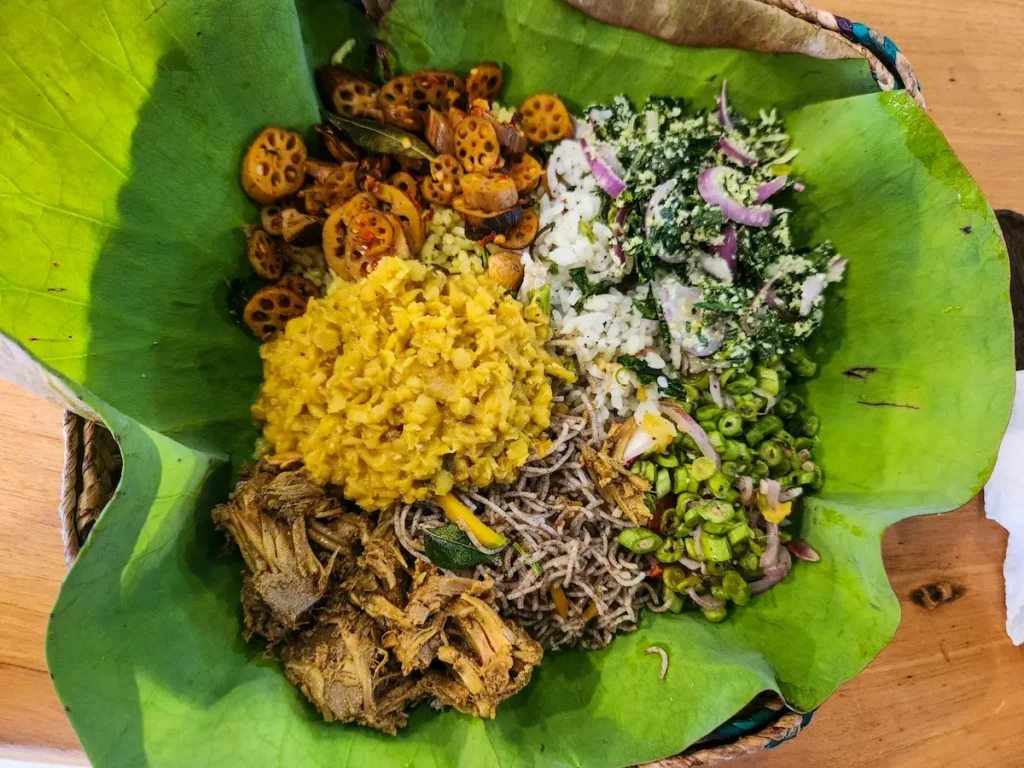
Sri Lankan Food Culture and Culinary Travel
Food is one of the most powerful reasons travelers fall in love with Sri Lanka. More than just a daily necessity, food in Sri Lanka is an expression of culture, hospitality, geography, and tradition. Meals are deeply tied to family life, religious customs, and regional identity, making culinary travel an essential part of understanding the country rather than a separate experience.
In 2026, culinary travel has become a central motivation for many travelers. People are increasingly seeking destinations where food feels authentic, locally sourced, and culturally meaningful. Sri Lanka fits this trend perfectly. Whether eating at a small roadside stall, a local family-run café, or a traditional home-style restaurant, travelers often find that meals feel personal rather than commercialized. This sense of honesty and connection is what makes Sri Lankan food experiences so memorable.
Another major advantage is affordability. Unlike many popular food destinations where culinary experiences are priced at a premium, Sri Lanka allows travelers to eat well consistently without increasing their travel budget. This makes food exploration accessible to all types of travelers, from backpackers to mid-range travelers and long-stay visitors.
Affordable and Flavorful Local Cuisine
Sri Lankan cuisine is known for its bold, complex flavors created through the careful use of spices, herbs, and fresh ingredients. Meals often include multiple dishes served together, offering a balance of spicy, mild, sour, and sweet flavors in one sitting. This variety allows travelers to experience a wide range of tastes without needing multiple meals.
Sri Lankan food culture is defined by:
- Rich spices and layered flavors built from traditional spice blends
- A strong focus on vegetarian-friendly dishes made with vegetables, lentils, and coconut
- Fresh seafood, tropical fruits, and locally grown produce
Local meals are widely available and highly affordable, particularly when travelers eat at places frequented by locals. Rice-and-curry meals, street food, and small cafés offer filling, flavorful dishes at low cost, allowing travelers to enjoy authentic food daily without financial pressure. This affordability encourages exploration, making food discovery a natural part of everyday travel rather than a special occasion.
For many travelers, Sri Lankan cuisine also feels approachable. Vegetarian and plant-based travelers find a wide range of options, while those who enjoy seafood and spice-rich dishes find endless variety. This inclusiveness adds to Sri Lanka’s appeal as a culinary destination.
Tea Culture and Hill-Country Experiences
Sri Lanka’s tea heritage adds a distinctive and immersive dimension to its culinary landscape. Globally recognized for its high-quality tea, the island’s central hill country offers travelers the opportunity to experience tea culture at its source. Tea is not just an export product—it is deeply connected to Sri Lanka’s history, economy, and daily life.
The hill-country regions provide a striking contrast to coastal areas, with cooler climates, mist-covered hills, and expansive tea estates. This change in environment naturally slows the pace of travel, encouraging longer stays and deeper appreciation of the landscape.
Visitors to Sri Lanka’s tea regions can:
- Tour tea plantations and working factories
- Learn about traditional and modern tea production processes
- Experience tea tasting sessions and estate walks
- Enjoy cooler temperatures and scenic mountain views
These experiences strongly appeal to slow travelers, couples, and travelers seeking calm, reflective environments. Staying in the hill country allows visitors to combine culinary discovery with scenic beauty, gentle outdoor activities, and cultural learning. Tea culture, in this sense, becomes more than a beverage—it becomes a gateway into Sri Lanka’s past and present.
Together, Sri Lanka’s everyday cuisine and its tea heritage create a culinary travel experience that feels grounded, affordable, and deeply connected to place. This combination is one of the key reasons food-focused travelers continue to choose Sri Lanka in 2026, and why culinary travel remains a lasting pillar of the country’s tourism appeal.
Cost of Traveling in Sri Lanka in 2026
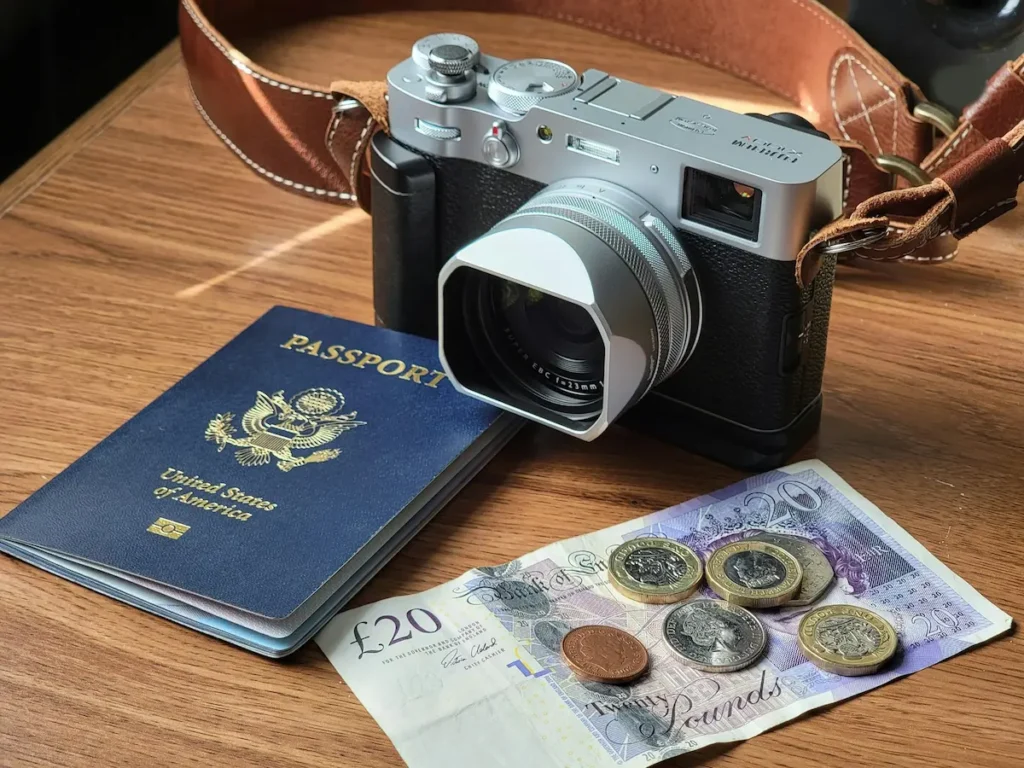
Affordability remains one of the strongest reasons Sri Lanka continues to trend as a top travel destination in 2026. At a time when global travel costs are rising sharply, Sri Lanka stands out as a country where travelers can enjoy rich experiences without constant budget pressure. The balance between cost and quality makes it especially attractive to travelers who want comfort, variety, and depth without luxury-level spending.
Unlike many destinations that require travelers to compromise either on experience or budget, Sri Lanka offers flexibility. Travelers can choose budget-friendly options or upgrade selectively without dramatically increasing daily expenses. This makes the destination suitable for short vacations as well as longer stays, allowing visitors to explore more deeply at a relaxed pace.
Budget to Mid-Range Travel Value
Sri Lanka delivers outstanding value for both budget and mid-range travelers, which is one of the main reasons it attracts such a broad audience. Everyday travel expenses—such as accommodation, food, transportation, and activities—remain affordable across most regions of the country, allowing travelers to enjoy a rich experience without constant trade-offs.
In practical terms, Sri Lanka offers:
- A wide range of accommodation options, from budget guesthouses and homestays to comfortable boutique hotels
- Very low daily food costs, especially when eating local cuisine or street food
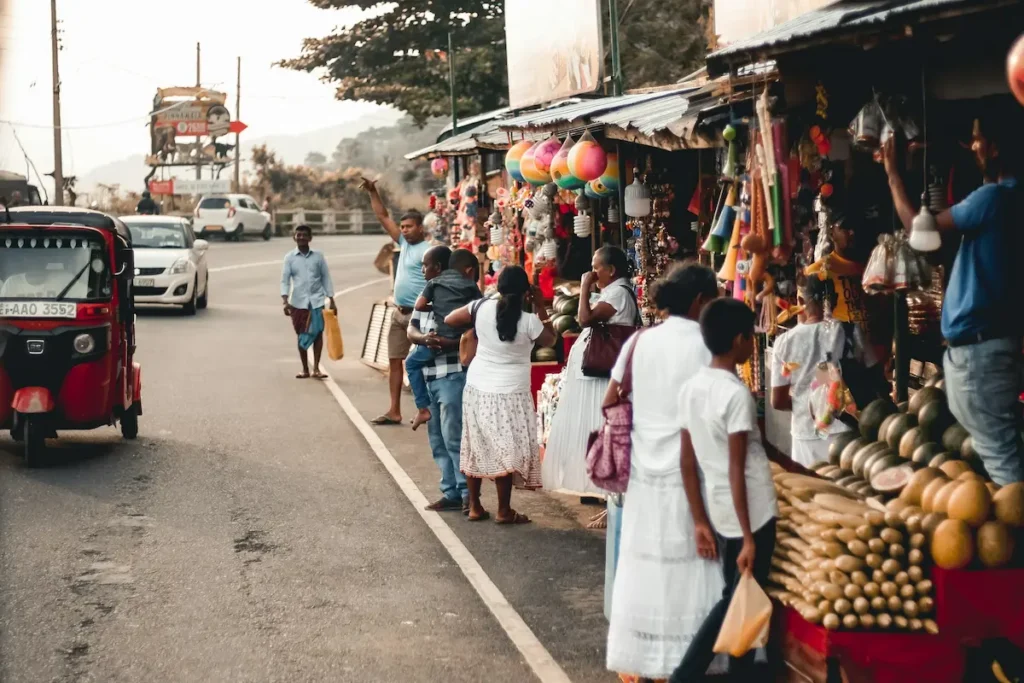
- Affordable transportation, including trains, buses, tuk-tuks, and private drivers
- Tours and activities that are reasonably priced relative to the experience provided
Because of these cost advantages, travelers can design trips that suit their lifestyle rather than their budget constraints. Long-stay travelers and digital nomads are able to rent accommodation for weeks or months, eat well every day, and still keep expenses under control. Budget-conscious tourists can enjoy safaris, scenic train journeys, and cultural tours—experiences that would be far more expensive in many other destinations.
This value also encourages deeper exploration. Instead of staying only in major tourist areas, travelers can afford to visit multiple regions, discover lesser-known towns, and spend more time in places they enjoy. In 2026, this kind of slow, immersive travel is exactly what many travelers are looking for.
Value Compared to Other Destinations
Sri Lanka’s affordability becomes even more compelling when compared directly with other destinations that offer similar attractions. Travelers who are deciding between tropical islands, cultural destinations, or nature-focused trips often find that Sri Lanka provides equal—or greater—variety at a significantly lower cost.
When compared to similar destinations:
- It is dramatically cheaper than the Maldives, where accommodation and food costs are among the highest in the region
- It is far less expensive than Japan or South Korea, particularly in terms of daily food, transport, and accommodation
- It is more affordable than many European destinations, where rising costs often limit trip length and flexibility
This comparison is especially important in 2026, as travelers are increasingly choosing destinations based on value per day, not just headline prices. Sri Lanka allows visitors to stay longer, travel slower, and experience more without increasing their overall budget—something that many popular destinations can no longer offer.
This strong value-for-money positioning is a key driver behind Sri Lanka’s continued tourism growth. As global travelers become more selective and cost-aware, destinations that combine affordability with diversity and authenticity gain a clear advantage. Sri Lanka’s ability to deliver meaningful, high-quality experiences at a reasonable cost ensures that its travel boom is not just a short-term trend, but a sustainable long-term shift.
Sri Lanka is especially appealing to budget-conscious travelers, and those looking to save more can also explore our complete guide on how to travel on a budget without sacrificing comfort or experiences.
Safety, Infrastructure, and Ease of Travel
For modern travelers, a destination’s appeal goes far beyond scenery alone. Safety, infrastructure, and ease of movement play a major role in deciding where to travel, especially for first-time visitors and long-stay travelers. In 2026, Sri Lanka continues to perform strongly in these areas, which has helped boost traveler confidence and contributed significantly to its tourism growth.
Over the past few years, Sri Lanka has focused on strengthening its tourism systems, improving transport links, and making travel easier for international visitors. As a result, travelers now find it simpler to navigate the country, communicate with locals, and access essential services. This sense of ease allows visitors to focus more on enjoying the experience rather than worrying about logistics.
Is Sri Lanka Safe for Tourists?
Sri Lanka is widely considered a safe and welcoming destination for tourists. Most travelers report feeling comfortable throughout their journey, whether traveling solo, as a couple, or with family. Safety concerns that often affect travel decisions—such as crime, communication barriers, or lack of support—are relatively low in Sri Lanka when compared to many other destinations.
One of the strongest contributors to this sense of safety is the country’s culture of hospitality. Locals are generally friendly, approachable, and willing to help travelers, even in areas that receive fewer tourists. This creates a reassuring environment, especially for first-time visitors to Asia.
Key factors that support Sri Lanka’s reputation as a safe destination include:
- Friendly and helpful local communities
- Widespread use of English, particularly in tourist areas
- A visible and established tourism industry across the country
In addition, popular travel regions have a strong tourism presence, including accommodations, tour operators, and transport services that are accustomed to international visitors. This familiarity reduces uncertainty and helps travelers feel supported throughout their stay.
Transport and Connectivity
Ease of travel within Sri Lanka has improved significantly, making it more accessible than ever for visitors in 2026. While the country still retains a relaxed, local travel atmosphere, major investments in infrastructure and services have reduced many of the challenges travelers once faced.
Transportation options are now more reliable and varied, allowing travelers to choose between public transport for budget-friendly travel or private options for comfort and flexibility. At the same time, digital connectivity has improved, helping travelers stay connected, plan routes, and access information easily.
Sri Lanka has made notable progress in:
- Road networks that better connect major cities and tourist regions
- Scenic train routes that offer both transportation and travel experiences
- Mobile and internet connectivity suitable for navigation and remote work
- Tourist services that support bookings, transport, and guided experiences
These improvements significantly reduce friction for first-time visitors. Travelers can move between regions more confidently, plan their days with ease, and adapt their itineraries without stress. For digital nomads, remote workers, and long-stay travelers, reliable connectivity further enhances Sri Lanka’s appeal as a comfortable and practical destination.
To make travel smoother—especially for first-time visitors—having the right essentials is important, and this carry-on packing list for travel helps you pack smart and avoid unnecessary stress.

Best Time to Visit Sri Lanka
Sri Lanka’s climate is one of the main reasons it is considered a true year-round destination. Unlike countries that have a single short travel window, Sri Lanka’s weather patterns allow travelers to visit at almost any time of the year—if they plan their route wisely. This flexibility is a major advantage in 2026, as travelers increasingly want freedom in when and how they travel rather than being restricted to crowded peak seasons.
Sri Lanka’s location near the equator means temperatures remain fairly consistent throughout the year, with seasonal changes driven more by rainfall than by extreme heat or cold. Understanding how regional weather works allows travelers to design itineraries that avoid heavy rain while still enjoying beaches, nature, and cultural experiences.
Understanding Monsoon Seasons
Sri Lanka experiences two main monsoon systems that affect different parts of the island at different times. This unique pattern means that while one region may experience rainfall, another region is often enjoying dry and pleasant weather. As a result, travelers can adjust their travel plans based on regional conditions rather than avoiding the country altogether.
Because of these alternating monsoon seasons:
- One coast is usually dry while another experiences rain
- Travelers can plan itineraries around regional weather patterns
- Beach, cultural, and nature travel remain possible year-round
This climate flexibility gives Sri Lanka a strong advantage over destinations that rely on a single peak season. Travelers do not need to postpone trips for months or face extreme overcrowding, making planning easier and more adaptable to personal schedules.
Shoulder Seasons and Fewer Crowds
In 2026, many travelers actively avoid peak seasons and instead prefer shoulder periods that offer a more relaxed travel experience. Sri Lanka’s shoulder seasons are especially appealing because the landscapes are lush, prices are often lower, and popular attractions feel less crowded.
Travelers who visit during these periods often enjoy:
- Fewer crowds at beaches, cultural sites, and national parks
- Better value on accommodation and transport
- Greener landscapes, waterfalls, and countryside
Sri Lanka’s shoulder seasons cater perfectly to travelers seeking balance—good weather without the pressure of peak-season crowds. For slow travelers, photographers, nature lovers, and budget-conscious visitors, these periods often provide the most rewarding travel experiences. This year-round adaptability is one of the key reasons Sri Lanka continues to attract travelers well beyond traditional travel calendars.
Who Sri Lanka Is Best For
Sri Lanka attracts a remarkably wide range of travelers, which is one of the key reasons its tourism growth has remained strong and consistent. Unlike destinations that appeal mainly to a single type of visitor, Sri Lanka offers experiences that suit different travel styles, budgets, and expectations. This flexibility allows travelers to shape their trips according to their personal interests rather than adapting to a rigid destination mold.
In 2026, travelers are increasingly looking for destinations that can meet multiple needs in one journey—relaxation, exploration, cultural depth, and comfort. Sri Lanka delivers this balance naturally, making it appealing to both short-term visitors and long-stay travelers alike. Whether someone is visiting Asia for the first time or returning for a deeper experience, Sri Lanka offers a welcoming and manageable environment.
Ideal Traveler Types
Sri Lanka’s diverse offerings make it particularly suitable for several types of travelers, each finding something unique in the destination.
Sri Lanka is especially well suited for:
- First-time Asia travelers, who appreciate the ease of travel, widespread English usage, and welcoming local culture
- Couples and honeymooners, drawn to scenic beaches, hill-country retreats, and romantic stays
- Solo travelers, who value safety, affordability, and opportunities for meaningful local interaction
- Digital nomads, attracted by low living costs, improving internet connectivity, and relaxed lifestyles
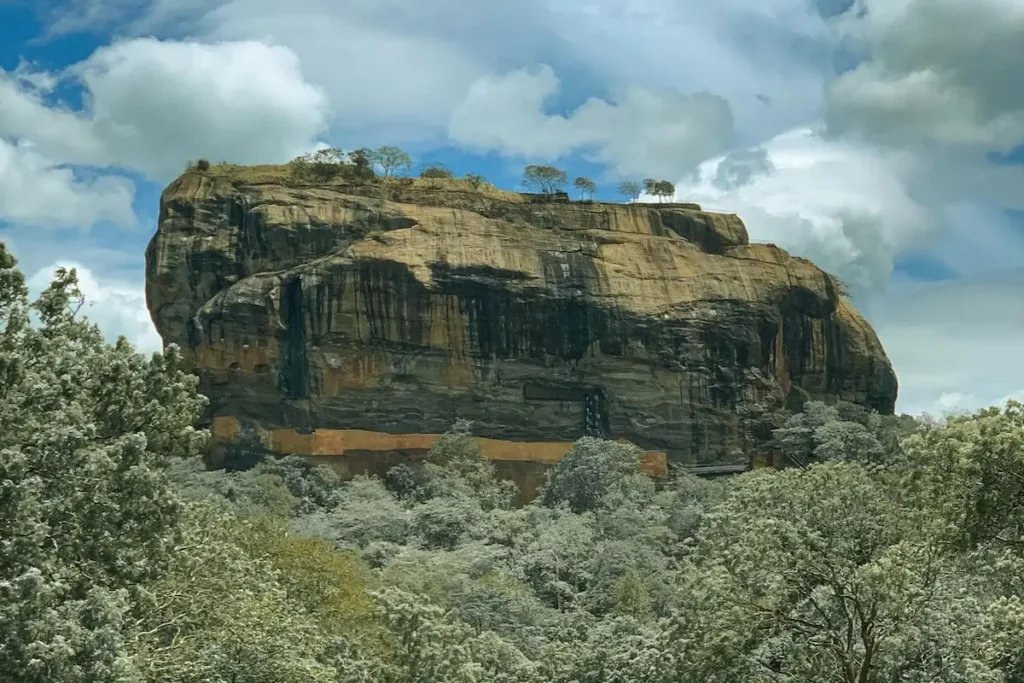
- Nature and culture enthusiasts, who enjoy wildlife, landscapes, ancient sites, and living traditions
This broad appeal is a major reason why Sri Lanka continues to attract consistent tourist interest. Because it does not rely on a single traveler demographic, the country remains resilient to shifts in travel trends. As global travel preferences continue to evolve, Sri Lanka’s ability to serve multiple travel profiles ensures that its tourism growth is not only strong in 2026, but also sustainable in the years ahead.
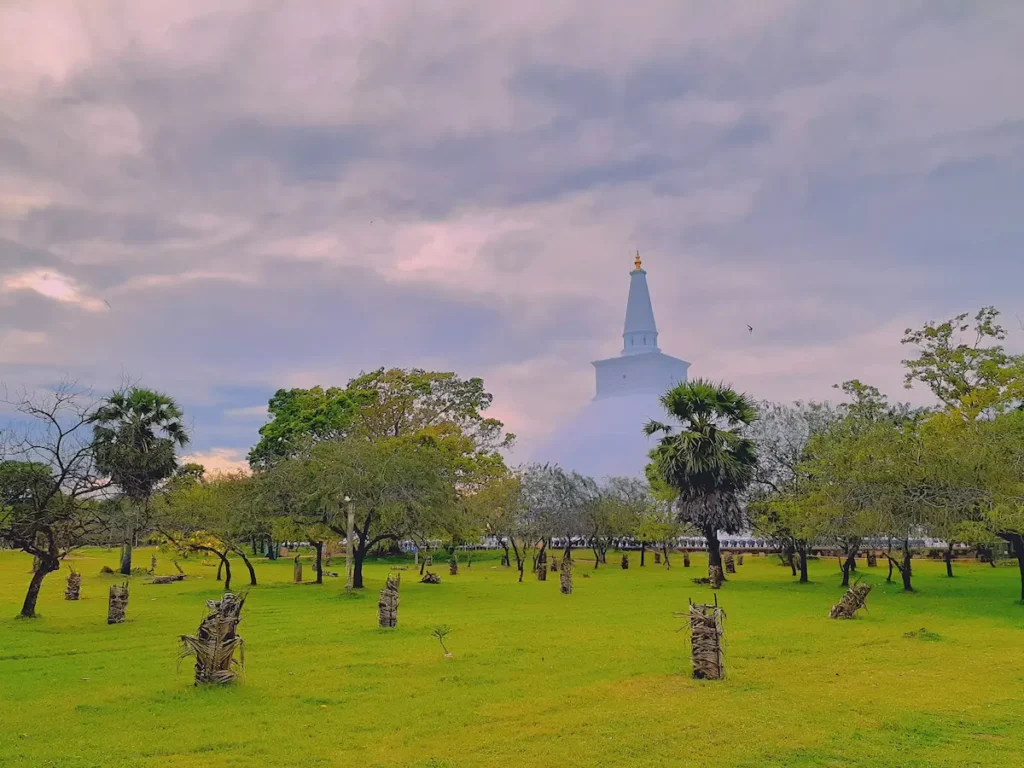
Final Thoughts — Is Sri Lanka Worth Visiting in 2026?
Yes—without question.
Sri Lanka is not just worth visiting in 2026; it is one of the most compelling destinations travelers can choose right now. In an era where many popular places feel overcrowded, expensive, and overly commercialized, Sri Lanka offers something increasingly rare in modern travel: experiences that feel genuine, balanced, and human. The island delivers natural beauty, cultural depth, and affordability without forcing travelers to sacrifice comfort or authenticity.
What makes Sri Lanka truly stand out is how effortlessly it brings together experiences that usually require multiple trips elsewhere. Travelers can enjoy golden beaches, misty mountains, ancient cities, wildlife safaris, and rich local cuisine—all within a single journey. These experiences are not packaged or artificial; they are deeply connected to everyday life, which makes travel feel more personal and meaningful.
Why Sri Lanka stands out in 2026 and beyond:
- A rare balance of beaches, nature, wildlife, and cultural heritage
- Strong value for money compared to many global destinations
- Authentic local experiences rather than mass-tourism attractions
- Welcoming atmosphere that suits both first-time and experienced travelers
- Flexibility for short trips, long stays, and slow travel
Sri Lanka’s appeal goes beyond trends and social media attention. Its tourism growth is rooted in real traveler satisfaction, repeat visits, and word-of-mouth recommendations. These are the strongest indicators of a destination with long-term staying power.
That is why Sri Lanka is not simply trending in 2026—it is positioning itself as one of the most rewarding and future-proof travel destinations of the decade. For travelers seeking experiences that feel meaningful rather than manufactured, Sri Lanka is not just a good choice—it is the right one.