The best time to visit Japan isn’t what most travelers think—and timing changes everything.
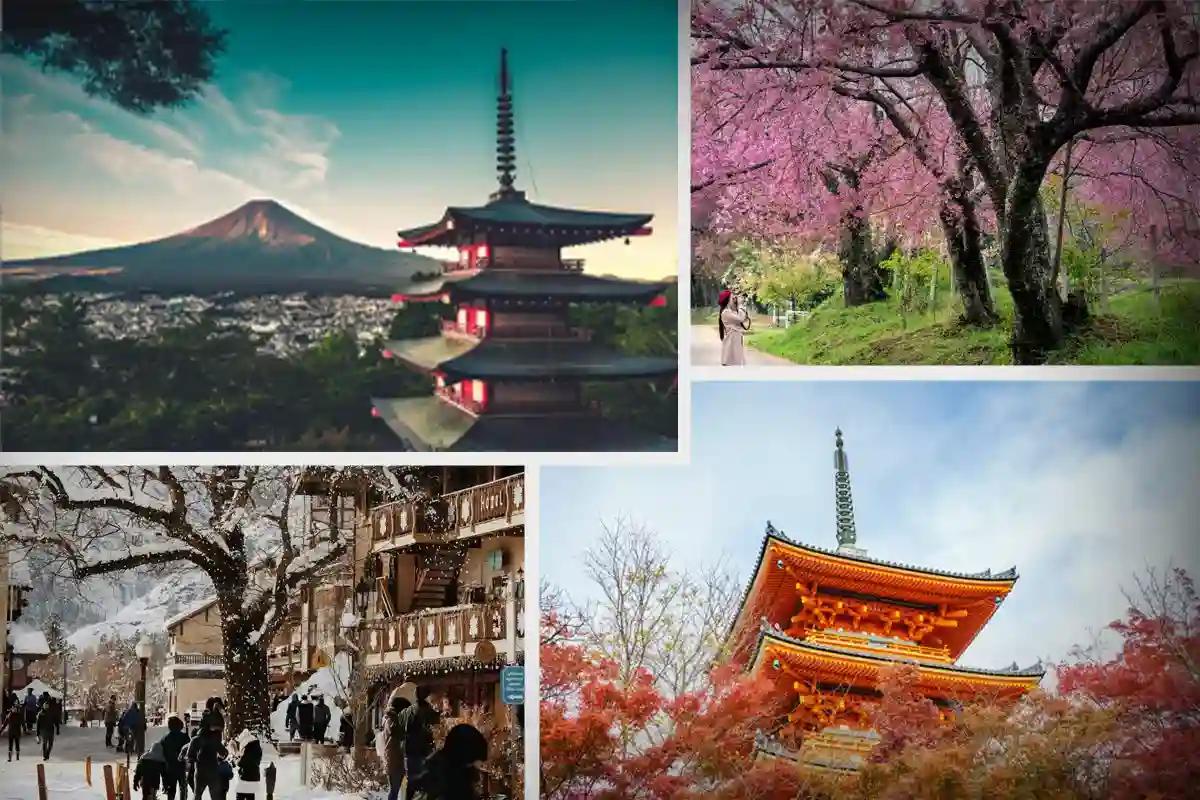
Japan is one of the rare destinations where the season you choose can completely redefine your entire trip. Visit in spring and you’ll walk beneath drifting cherry blossoms. Come in autumn and you’ll see ancient temples framed by fiery red leaves. Travel in winter and quiet snow-covered villages feel almost unreal.
But here’s what many travelers don’t realize until it’s too late: there is no single “perfect” time to visit Japan — only the right time for your travel style.
This guide will help you decide exactly when to visit Japan based on weather, crowds, costs, festivals, and travel goals. Whether you’re planning your first trip from the United States or returning for a deeper experience, this seasonal breakdown will help you choose the best time to go.
For most travelers, the best time to visit Japan depends on the season they choose, as weather, crowds, and travel costs change dramatically throughout the year.
Why Timing Matters When Visiting Japan
Japan has four very distinct seasons, and each one dramatically affects travel conditions. Unlike countries with mild weather year-round, Japan’s seasons influence everything from flight prices and hotel availability to daily comfort and sightseeing opportunities.
For example, visiting Japan during cherry blossom season can feel magical but crowded, while traveling in winter offers peaceful streets and lower prices. Summer brings lively festivals and fireworks but also intense heat and humidity, while autumn delivers comfortable temperatures and breathtaking scenery.
Choosing the right season helps you:
- experience seasonal events unique to Japan
- avoid overwhelming crowds
- enjoy better weather for walking and sightseeing
- plan your budget more effectively
Best Overall Time to Visit Japan
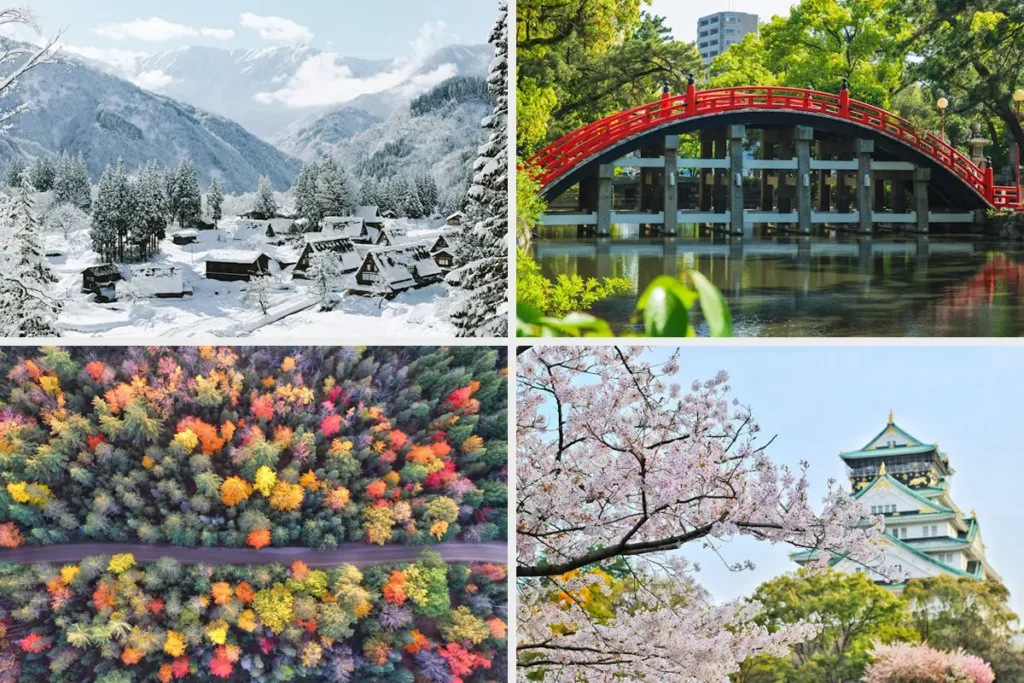
Japan is one of the most fascinating destinations in Asia. For most travelers, especially first-time visitors, the best time to visit Japan is during spring (March to May) and autumn (September to November). These seasons strike the perfect balance between pleasant weather, cultural events, and manageable crowd levels.
Spring is world-famous for cherry blossoms and fresh greenery, while autumn is known for crisp air and colorful foliage. Both seasons are ideal for exploring major cities like Tokyo and Osaka, as well as historic destinations such as Kyoto, Nara, and Hiroshima.
Best Time to Visit Japan by Month
- January–February: Snow, skiing, budget travel, fewer tourists
- March: Early spring, fewer crowds, cool weather
- April: Peak cherry blossom season, high prices
- May: Warm weather, Golden Week crowds
- June: Rainy season, fewer tourists
- July–August: Festivals, fireworks, extreme heat
- September: Typhoon risk, cheaper travel
- October: Mild weather, autumn begins
- November: Peak autumn foliage
- December: Winter charm, holiday lights
Spring (March to May) — Best Time to Visit Japan for First-Time Travelers
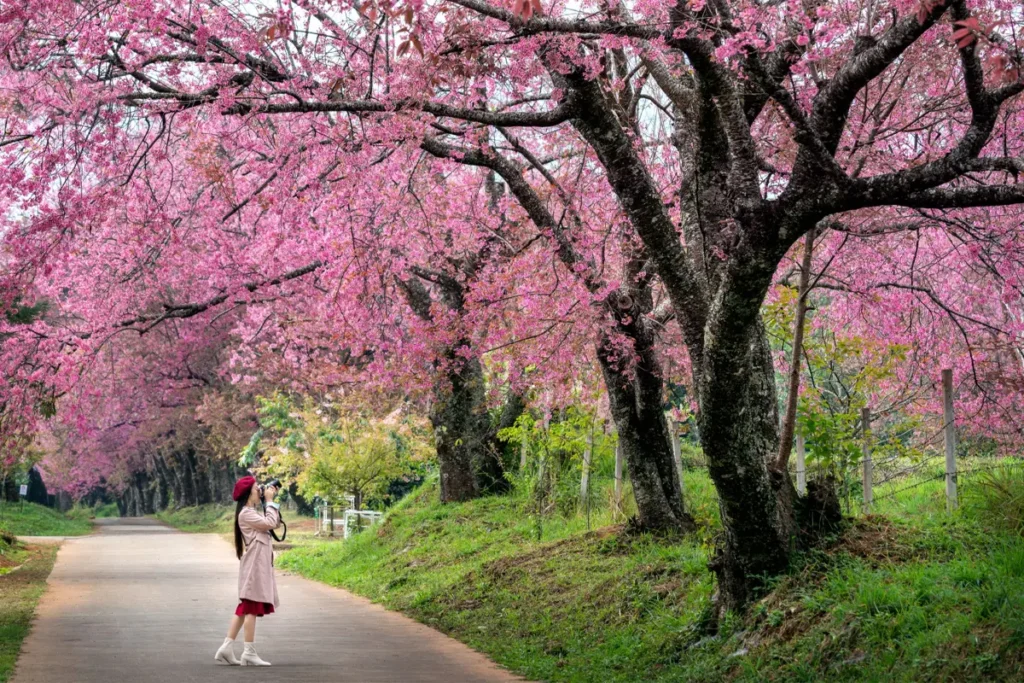
Spring is the most popular time to visit Japan, and for good reason. As winter fades, the country awakens with blooming flowers, mild temperatures, and a sense of celebration that feels deeply woven into Japanese culture.
Weather in Japan During Spring
Spring temperatures usually range between 50°F and 70°F (10°C–21°C). March can still feel cool, especially in the evenings, while April and May bring comfortably warm days without the heavy humidity of summer.
This mild weather makes spring ideal for long walking days, temple visits, outdoor cafés, and scenic train journeys through the countryside.
Cherry Blossom Season (Late March to Early April)
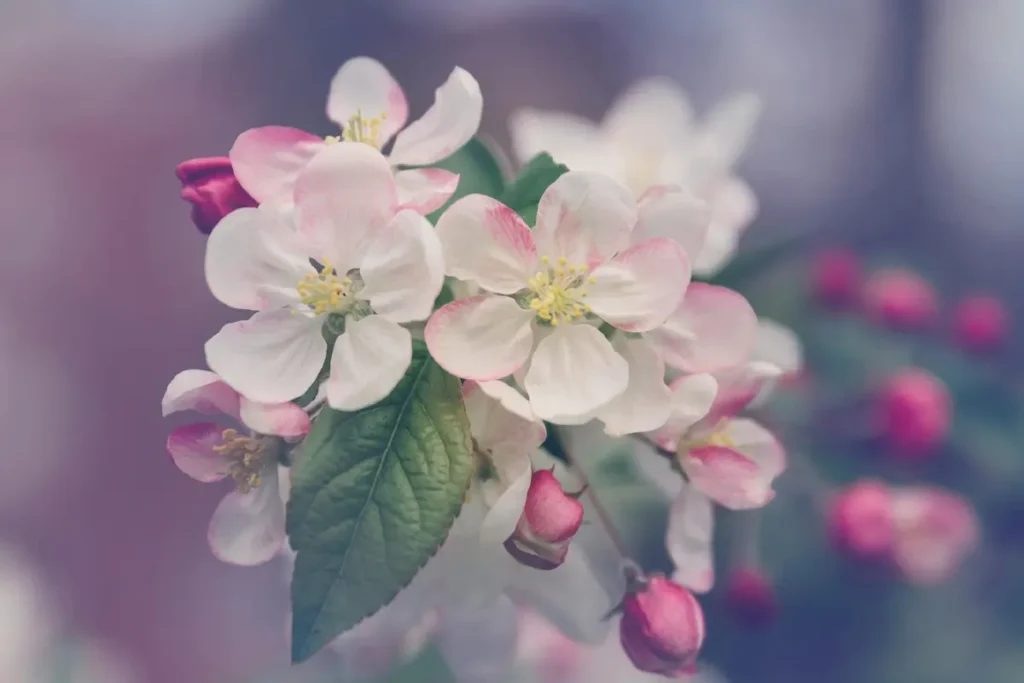
Cherry blossom season, known as sakura, is Japan’s most iconic travel period. The blossoms typically last only one to two weeks, and the exact timing varies slightly each year depending on weather patterns.
During this season, locals gather for hanami picnics under blooming trees, creating a festive yet peaceful atmosphere. Popular cherry blossom spots include Ueno Park in Tokyo, the Philosopher’s Path in Kyoto, Osaka Castle, and Hiroshima Peace Park.
Because this is peak travel season, accommodation prices rise quickly and popular hotels sell out months in advance.
Autumn (September to November) — Best Time to Visit Japan for Scenery and Comfort
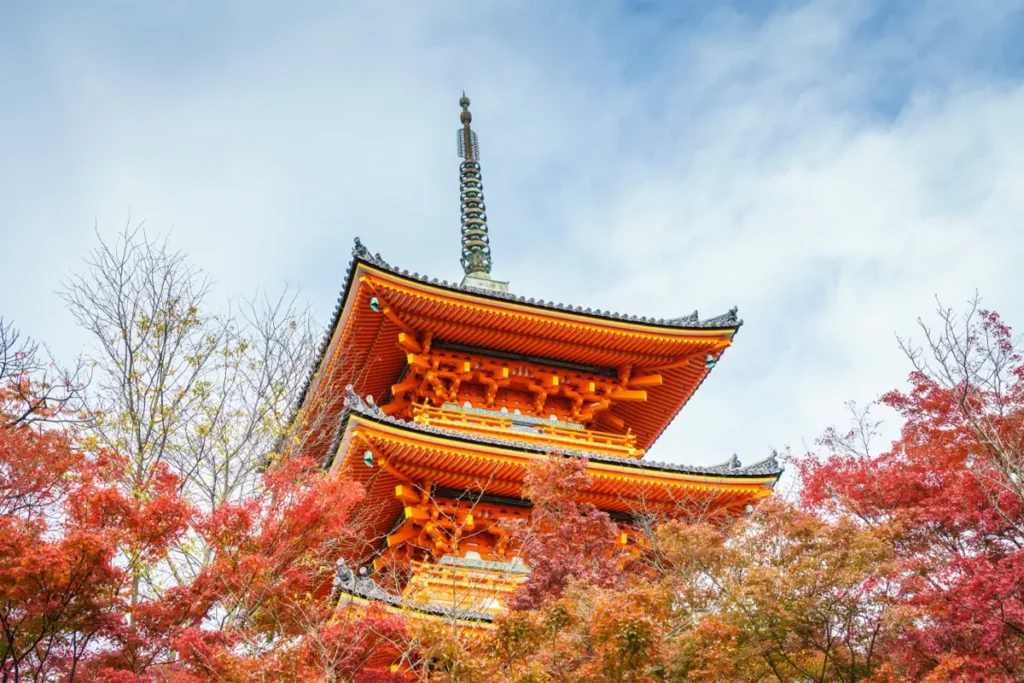
Autumn is often considered just as beautiful as spring but with fewer crowds. As summer heat fades, Japan’s landscapes transform into warm shades of red, orange, and gold, creating some of the country’s most photogenic scenes.
Weather in Japan During Autumn
Autumn temperatures generally range from 55°F to 75°F (13°C–24°C). September may still feel warm, but October and November bring cool, refreshing air that is perfect for sightseeing and outdoor exploration.
Fall Foliage Season (Late October to November)
Known as koyo, Japan’s autumn foliage season rivals cherry blossom season in beauty. Temples, gardens, and mountain regions become stunning backdrops for photography and slow travel.
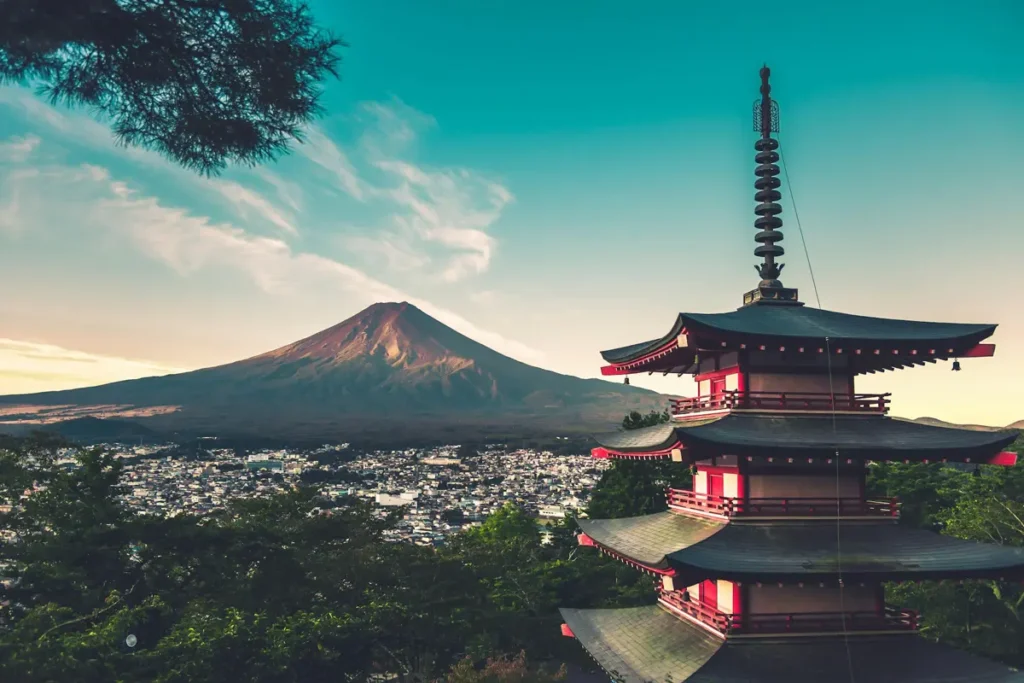
Kyoto, Nikko, Hakone, Takayama, and the Mount Fuji area are among the best places to enjoy autumn colors.
Winter (December to February) — Best Time to Visit Japan for Snow, Culture, and Budget Travel
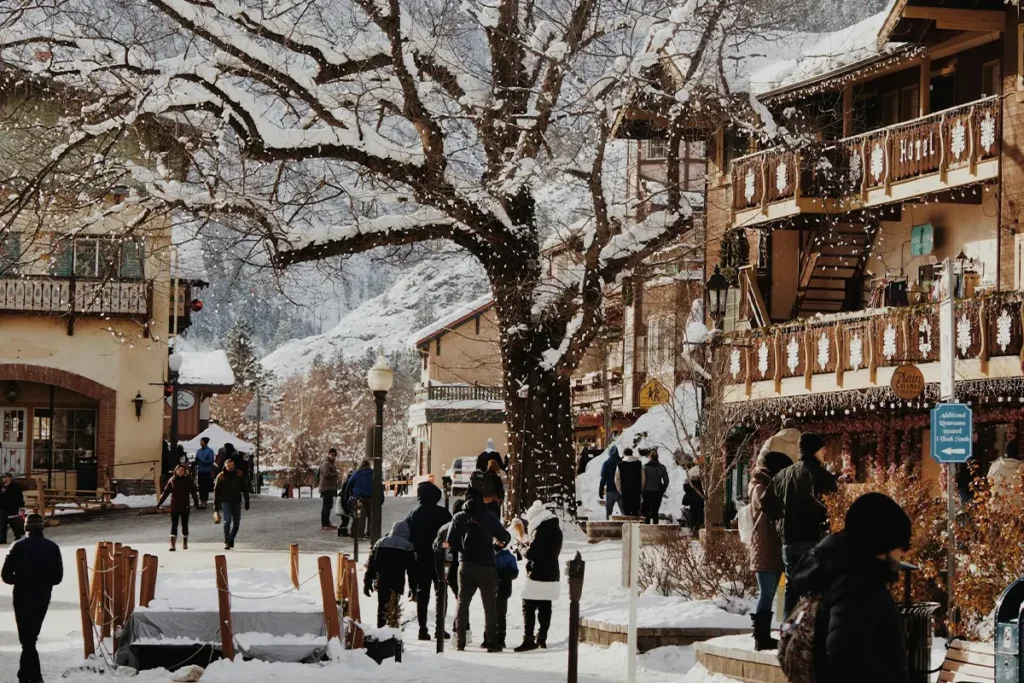
Winter is an underrated time to visit Japan, especially for travelers who prefer fewer tourists and lower prices. While temperatures drop, Japan offers a quieter, more cultural experience during this season.
Weather in Japan During Winter
Winter temperatures typically range from 30°F to 50°F (-1°C–10°C). Tokyo and Kyoto experience cold but mostly dry weather, while northern regions such as Hokkaido receive heavy snowfall.
Best Winter Experiences in Japan
Winter highlights include skiing in Hokkaido and Nagano, visiting the Sapporo Snow Festival, seeing snow monkeys bathing in hot springs, and enjoying traditional Japanese onsen surrounded by snow-covered landscapes.
Related Posts: Is Japan Expensive? Cost Breakdown for First-Time Travelers
Summer (June to August) — Best for Festivals, Worst for Heat
Summer in Japan is the most challenging season for sightseeing, but it is also one of the most culturally vibrant times to visit. From late June through August, the country experiences high temperatures, intense humidity, and frequent heatwaves, especially in major cities such as Tokyo, Osaka, and Kyoto.
Daytime temperatures often exceed 90°F (32°C), and humidity levels can make walking long distances exhausting. For travelers who are not accustomed to hot, humid climates, sightseeing during the middle of the day can feel overwhelming.
However, summer is also the season of Japan’s most famous festivals and fireworks displays. Events such as Kyoto’s Gion Matsuri, Aomori’s Nebuta Matsuri, and Tokyo’s Sumida River Fireworks bring cities to life with traditional performances, food stalls, and evening celebrations. These festivals offer a unique cultural experience that cannot be found at any other time of year.
For travelers who still wish to visit Japan in summer, choosing the right destinations is key. Northern regions such as Hokkaido, the Japanese Alps, and mountainous areas offer cooler temperatures and more comfortable travel conditions. Coastal destinations and islands also provide opportunities for beach activities and water sports.
Summer is best for:
- Festival lovers
- Students and long-term travelers
- Visitors planning to explore cooler northern regions
Summer is not ideal for:
- First-time visitors focused on sightseeing
- Travelers sensitive to heat and humidity
Summer Festivals and Fireworks
Despite the intense heat and humidity, summer is the most festive and energetic season in Japan. From July through August, cities and towns across the country come alive with traditional festivals, known as matsuri, featuring colorful floats, taiko drum performances, street food stalls, and elaborate costumes.
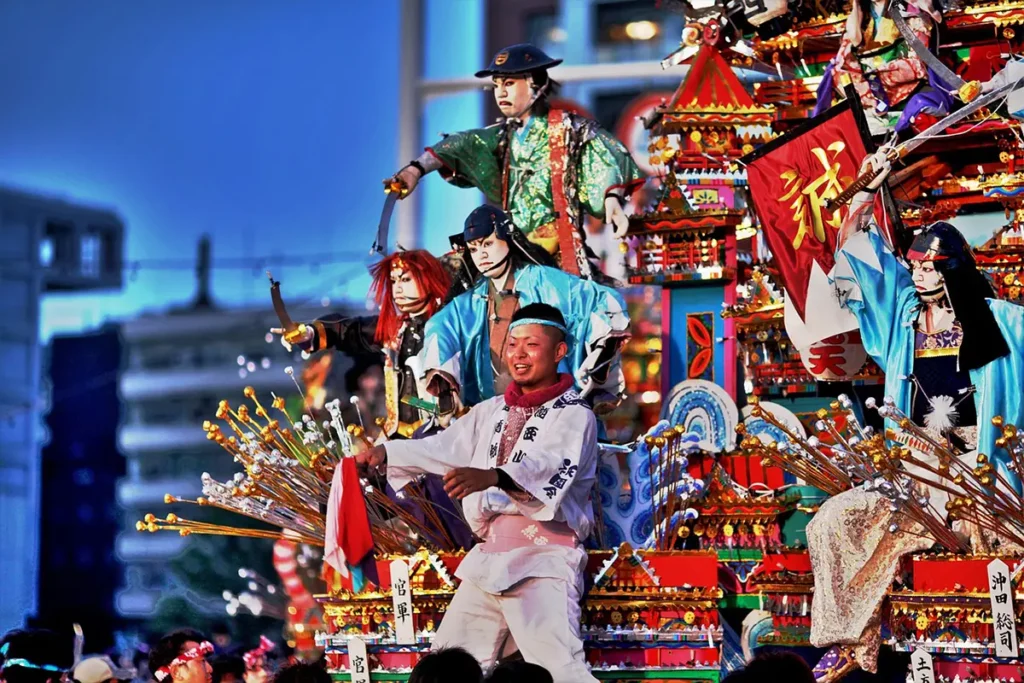
One of the most famous summer festivals is Kyoto’s Gion Matsuri, held throughout July. This centuries-old celebration is known for its massive wooden floats, traditional music, and nighttime processions through Kyoto’s historic streets. It is considered one of Japan’s most important cultural events and attracts visitors from around the world.
In northern Japan, Aomori’s Nebuta Matsuri takes place in early August and features enormous illuminated paper lantern floats depicting warriors, gods, and folklore characters. The festival is loud, colorful, and immersive, offering travelers a rare opportunity to experience regional traditions at their most vibrant.
Tokyo’s Sumida River Fireworks Festival is another summer highlight. Usually held in late July, it draws hundreds of thousands of spectators who gather along the riverbanks to watch elaborate firework displays light up the night sky. Fireworks festivals are common throughout Japan during summer, often accompanied by food stalls and locals wearing traditional yukata.
While summer festivals provide unforgettable cultural experiences, travelers should be prepared for large crowds, evening heat, and limited accommodation availability near major festival sites. Planning accommodation in advance and scheduling sightseeing for mornings or evenings can make summer festival travel more enjoyable.
Summer festivals are best for:
- Travelers interested in traditional Japanese culture
- Festival and nightlife lovers
Best Time to Visit Japan by Region
Japan’s diverse geography means that the best time to visit can vary significantly by region. Climate, altitude, and seasonal weather patterns all influence travel conditions across the country.
Tokyo & Kyoto
Spring and autumn are the most comfortable times to visit Tokyo and Kyoto, offering mild temperatures and scenic beauty. Summer is extremely humid in both cities, while winter is cold but generally dry, making it a quieter time for urban exploration.
Hokkaido
Hokkaido is ideal for winter travel, especially for skiing, snow festivals, and winter scenery. Unlike the rest of Japan, Hokkaido also enjoys cool, pleasant summers, making it a popular escape from southern heat.
Kansai Region (Osaka, Nara, Kobe)
Spring and autumn provide the best balance of weather and cultural events. Summers can be hot but lively due to festivals, while winter is relatively mild and suitable for city sightseeing.
Okinawa
Okinawa’s subtropical climate makes it best visited between April and June, when temperatures are warm but typhoons are less common. Late summer and early autumn should be avoided due to heavy rain and storm risks.
Rainy Season (June to Early July)
Japan’s rainy season, known as tsuyu, typically occurs from early June to mid-July, depending on the region. Central and southern Japan experience the heaviest rainfall, while northern areas such as Hokkaido are less indicated by the seasonal rains.
During this period, rainfall usually comes in short, heavy bursts rather than continuous all-day rain. While showers can disrupt outdoor sightseeing plans, many travelers are surprised to find that Japan remains highly navigable thanks to efficient public transportation and covered shopping streets.
One of the advantages of visiting Japan during the rainy season is reduced crowds. Popular tourist sites are noticeably quieter, and accommodation prices tend to drop compared to peak spring and autumn seasons. Landscapes also appear especially lush and vibrant due to frequent rainfall, making this season appealing for photography and nature lovers.
However, humidity levels are high, and wet weather can make extended outdoor exploration uncomfortable. Travelers planning to visit during the rainy season should pack waterproof footwear, breathable clothing, and a compact umbrella.
Rainy season is best for:
- Budget travelers
- Visitors avoiding crowds
- Photography of greenery and gardens
Rainy season is less suitable for:
- Long walking days
- Outdoor-focused itineraries
Cheapest Time vs Most Expensive Time to Visit Japan
Travel costs in Japan fluctuate significantly depending on the season. Understanding these patterns can help travelers plan more efficiently and avoid unnecessary expenses.
The cheapest time to visit Japan is generally during January, February, and late September. During these months, flight prices are lower, hotels offer better availability, and tourist crowds are minimal. Winter travel outside ski destinations is particularly affordable, making it attractive for budget-conscious visitors.
The most expensive time to visit Japan occurs during cherry blossom season (late March to early April) and Golden Week (late April to early May). During these periods, hotel prices increase sharply, flights sell out quickly, and popular attractions become extremely crowded.
Autumn (October–November) also sees higher prices due to pleasant weather and seasonal foliage, although costs are usually slightly lower than spring peak season.
Budget-saving tips:
- Book flights and accommodation early for peak seasons
- Travel during shoulder months (early March, late May, late September)
- Choose business hotels or regional accommodations
What to Pack for Japan by Season
- Spring: Light jacket, walking shoes
- Summer: Breathable clothes, umbrella
- Autumn: Layers
- Winter: Coat, gloves, thermal wear
Best Time to Visit Japan Based on Travel Style
The best time to visit Japan depends largely on your travel goals.
- First-time visitors: March–May or October–November
- Budget travelers: January–February, late September
- Nature & photography lovers: April, November, February
- Festival lovers: July–August
Worst Time to Visit Japan (If You Can Avoid It)
While Japan is a year-round destination, certain periods can make travel more difficult due to crowds, weather, or high costs.
Golden Week (late April to early May) is widely considered the most challenging time to visit Japan. Domestic travel surges as locals take holidays, causing transportation congestion, fully booked hotels, and overcrowded tourist sites.
Mid-August combines extreme heat with peak domestic travel, resulting in uncomfortable sightseeing conditions and higher accommodation prices. Festivals and fireworks are popular, but the weather can be exhausting.
Typhoon season (August to September) can disrupt travel plans, especially in coastal and southern regions. While typhoons do not occur daily, they can cause transportation delays and temporary closures.
First-time visitors are generally advised to avoid these periods unless they have flexible travel plans or specific festival interests.
So, When Is the Best Time to Visit Japan?
If you want the most balanced experience, spring and autumn remain the best choices. However, Japan offers something special in every season, and the ideal time depends on what matters most to you.
Japan is a destination shaped by the rhythm of its seasons. Whether you visit during cherry blossom season, peaceful winter months, or colorful autumn days, choosing the right time will define your experience. Plan thoughtfully, travel with curiosity, and Japan will reward you with memories that last a lifetime.
For official seasonal updates and travel information, visit the Japan National Tourism Organization.