
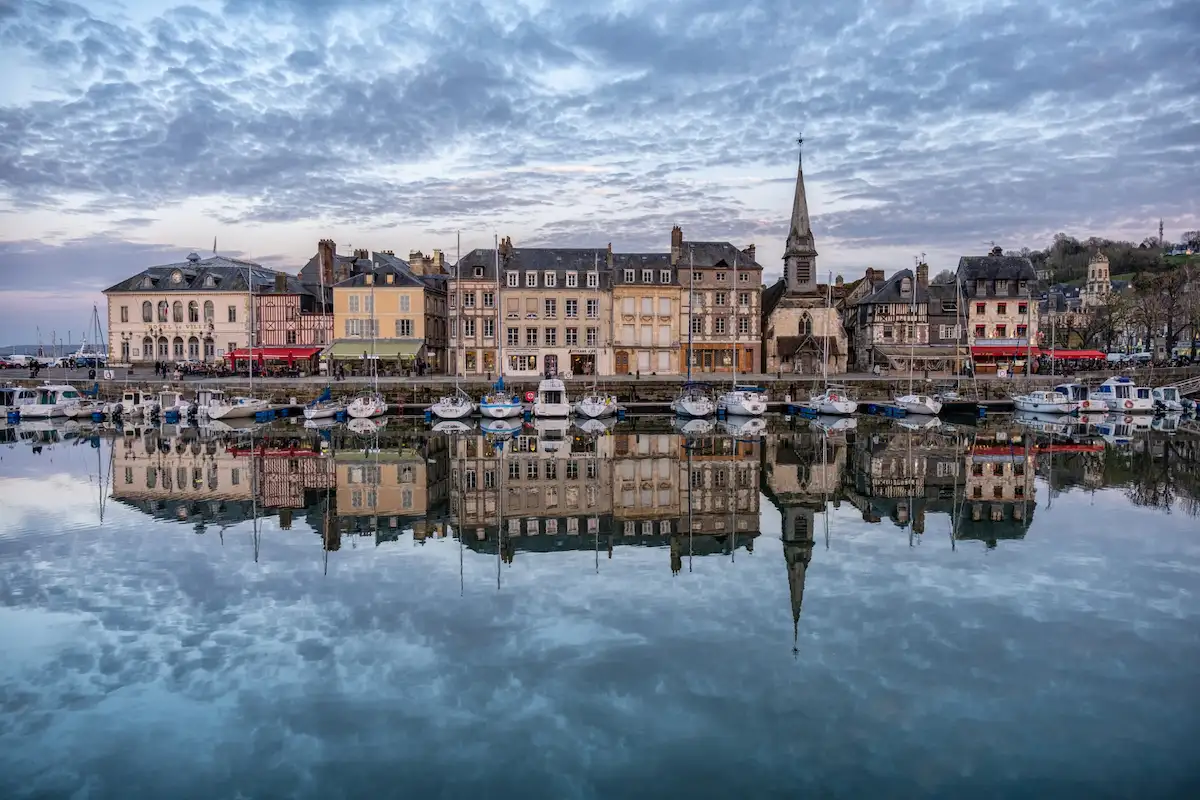
Europe travel tips for first-time visitors are essential if you’re planning your first international trip. Europe is often the first international destination people dream about—and for good reason. Historic cities, world-class museums, diverse cultures, and efficient transportation make Europe one of the most rewarding places to travel.
At the same time, first-time visitors often feel overwhelmed. Questions about visas, money, transportation, food etiquette, and safety can make planning stressful.
The good news is this: Europe is one of the easiest regions in the world for first-time travelers—as long as you understand a few essential basics before you go.
This guide covers the most important Europe travel tips you need to know so you can travel confidently, avoid common mistakes, and enjoy your trip without unnecessary stress.
Europe Travel Tips for First-Time Visitors: Understand Europe Is Not One Country
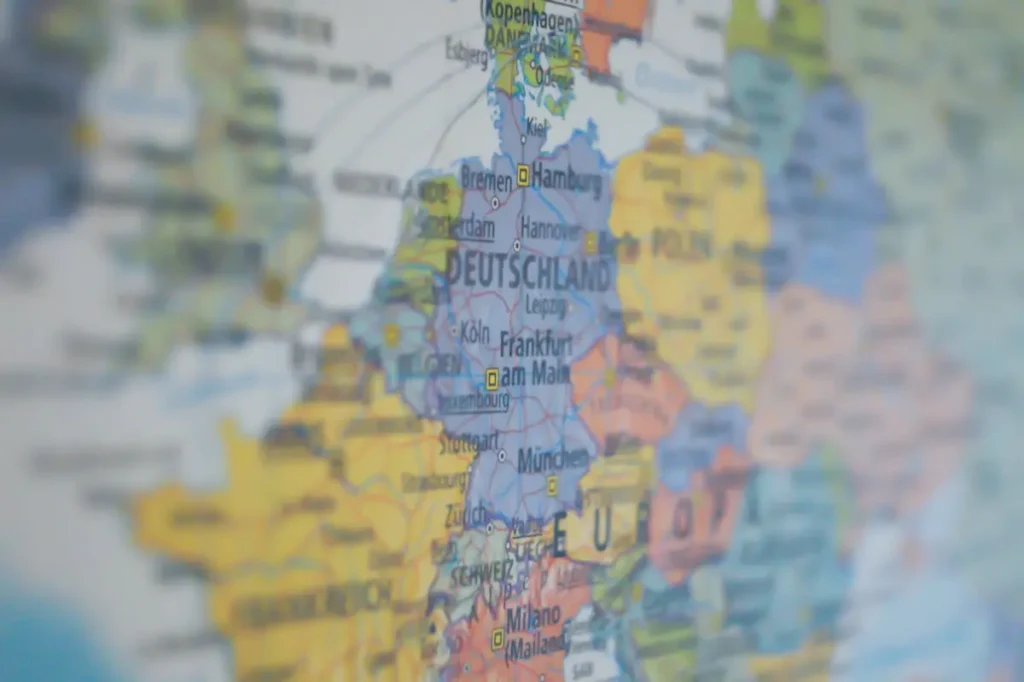
One of the most common and costly mistakes first-time travelers make is thinking of Europe as a single destination. While Europe may look unified on a map, it is actually a continent made up of dozens of independent countries, each with its own identity, systems, and way of life.
Traveling from one European country to another can feel effortless—often just a short train ride—but that convenience can hide important differences. Languages change, currencies change, meal times change, and even simple things like tipping, store hours, and public behavior can be very different from one country to the next. Understanding this early helps you avoid confusion, unexpected costs, and cultural misunderstandings.
Despite these differences, Europe does offer a sense of consistency that makes it friendly for beginners. Infrastructure is reliable, cities are well-organized, and tourism systems are clearly established. This balance of variety and structure is what makes Europe both exciting and manageable for first-time visitors.
What stays consistent across most of Europe
While cultures differ, many practical aspects of travel remain similar across countries, making movement between destinations smooth and predictable:
- High safety standards, especially in major cities and tourist areas
- Well-developed infrastructure, including roads, airports, and rail networks
- Reliable public transportation such as metros, trams, buses, and trains
- Clear tourist systems, with signs, ticket machines, and information often available in English
What varies significantly from country to country
At the same time, the differences between European countries are what shape your daily experience—and your budget.
- Cost of travel can change dramatically between regions
- Currency usage varies, with some countries using the Euro and others using local currencies
- Food habits differ, including meal times, portion sizes, and dining customs
- Cultural etiquette such as tipping, greetings, and personal space can vary
For example, a casual café meal that feels inexpensive in one country may be considered mid-range in another. A behavior that feels polite in one culture may be unnecessary—or even inappropriate—in another.
Why this matters for first-time travelers
Understanding that Europe is not a single country helps you plan more realistically. It allows you to:
- Set accurate daily budgets
- Prepare for currency changes
- Respect local customs
- Avoid travel stress
Instead of expecting everything to work the same way everywhere, you begin to appreciate Europe for what it truly is: a collection of diverse cultures connected by convenience and history.
Once you adjust your mindset, traveling through Europe becomes far more enjoyable. You stop comparing countries and start experiencing them individually—each with its own rhythm, flavors, and character. That shift in perspective often turns a good trip into an unforgettable one.
If you’re still deciding where to go, check out my guide to Top 10 Places to Visit in Europe (With Budget Tips for Each City) to help you choose destinations that match your budget and travel style.
Europe Travel Tips: Visa Rules & the Schengen Area

Visa rules are often the most confusing part of planning a first trip to Europe. Many first-time travelers worry they will need a separate visa for every country or that crossing borders will be complicated. In reality, Europe’s visa system is much simpler once you understand how the Schengen Area works.
Most tourists enter Europe through the Schengen Area, a group of European countries that allow travelers to move freely between them without repeated border checks. Once you pass immigration at your first entry point, you can travel between Schengen countries by train, bus, or flight without showing your passport again. This makes multi-country trips easy and stress-free, especially for first-time visitors.
However, this freedom comes with strict time limits, and misunderstanding them can lead to serious travel problems. The most important rule to know is the 90 days within any 180-day period rule. This limit applies to the entire Schengen Area combined, not to individual countries.
Key things first-time travelers must understand:
- You can stay in the Schengen Area for up to 90 days total within a rolling 180-day period
- The 90-day limit applies across all Schengen countries combined
- Visiting multiple countries does not reset your allowed days
- Overstaying can result in fines, deportation, or future entry bans
According to the European Commission’s official Schengen guidelines, this 90/180-day rule applies across all Schengen countries and is strictly enforced at border entry points.
The 90/180 rule works like a rolling window rather than a fixed reset. Immigration officers look back at the previous 180 days and count how many days you were physically present in the Schengen Area. Every day counts, even short stays, and leaving briefly does not reset your allowance.
Important details many first-time travelers miss:
- Your passport is stamped when you enter and exit, and these dates are used to calculate your stay
- Time spent in one Schengen country counts for all others
- Crossing borders within Schengen does not reset your days
- Some European countries are outside the Schengen Area
- Time spent outside Schengen does not count toward the 90 days
Visa requirements also depend entirely on your passport, not where you live or where you are flying from. Some travelers can enter Europe visa-free, while others must apply for a Schengen visa in advance or have different stay limits. Never assume the rules apply to you just because they apply to someone else.
Most visa issues happen because travelers misunderstand the rules, not because they intentionally break them. Schengen violations can affect future European travel, visa approvals, and border checks. Once you understand how the system works, Europe’s visa rules become predictable and easy to manage.
For first-time travelers, knowing how the Schengen Area works turns a confusing legal topic into a simple planning tool. With the right knowledge, you can plan your trip confidently, avoid unnecessary stress, and travel across Europe smoothly and legally.
Currency in Europe: Euro vs Others (What First-Time Travelers Must Know)
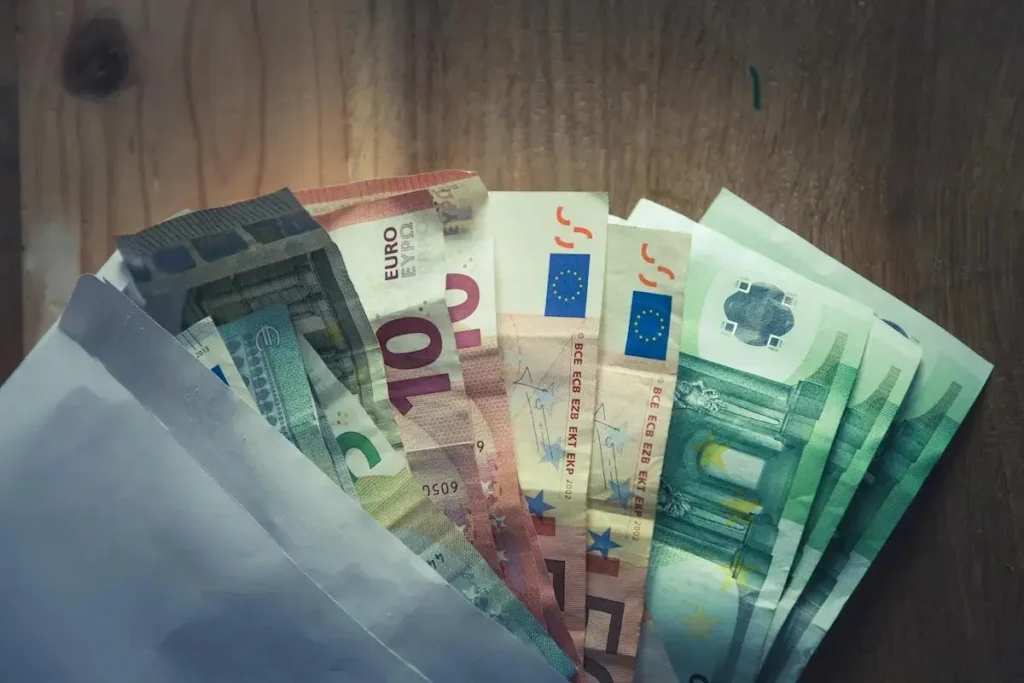
Many first-time travelers assume that all European countries use the Euro, but this is one of the most common misunderstandings about traveling in Europe. While the Euro is widely used, Europe does not have a single currency, and knowing where and how money works can save you from confusion, extra fees, and awkward situations.
Several popular European destinations use their own national currencies, and prices, payment habits, and cash usage can vary from country to country. Understanding this before you travel helps you budget accurately and avoid unnecessary exchange losses.
What every first-time traveler should understand is that Europe is very card-friendly, but it is not completely cashless.
Key things you should know about money in Europe:
- Many countries use the Euro, but not all of them
- Some countries accept only their local currency
- Credit and debit cards are widely accepted, especially in cities
- Cash is still important in small towns, cafés, markets, and transport
In most European cities, you can pay by card for hotels, restaurants, trains, and shopping. However, smaller businesses and rural areas often prefer or require cash, especially for low-value purchases.
Euro vs Local Currencies (Why This Matters)
Using the wrong currency or assuming euros are accepted everywhere can lead to:
- Overpaying at poor exchange rates
- Being unable to pay at small businesses
- Extra ATM or card fees
Some countries may display prices in euros for tourists but still require payment in local currency, which often results in unfavorable conversion rates.
This is why it’s important to know which currency each country uses before you arrive and plan accordingly.
Card Payments in Europe (Very Easy for Travelers)
Europe is one of the most card-friendly regions in the world, especially for international visitors.
You can usually pay by card for:
- Hotels and accommodation
- Restaurants and cafés
- Trains, metros, and buses
- Museums and attractions
- Supermarkets and shops
Contactless payments are extremely common, and many places accept mobile payments as well.
However, you should not rely on cards 100% of the time.
When You Still Need Cash in Europe
Even though cards are widely accepted, cash is still useful in certain situations.
Cash is often needed for:
- Bakeries and small cafés
- Street food and local markets
- Public toilets
- Small local buses or rural transport
- Tipping where rounding up is customary
Carrying a small amount of cash helps you avoid inconvenience, especially when traveling outside major cities.
Smart Money Tips for First-Time Travelers
Handling money correctly in Europe can save you a surprising amount of money.
Best practices to follow:
- Withdraw cash from ATMs, not currency exchange counters
- Avoid airport exchange desks, which usually have poor rates
- Inform your bank before traveling to prevent card blocks
- Use debit cards for ATM withdrawals, not credit cards
- Keep small cash amounts for daily expenses
ATMs in Europe generally offer fair exchange rates, especially when using debit cards. When withdrawing money, always choose to be charged in the local currency, not your home currency, to avoid hidden conversion fees.
You don’t need to carry large amounts of cash in Europe. Avoid carrying too much cash at once, especially in busy tourist areas.
A good rule for first-time travelers:
- Carry the equivalent of €50–€100 in cash
- Use cards for most major expenses
- Refill cash as needed from ATMs
Getting Around Europe (Easier Than You Think)
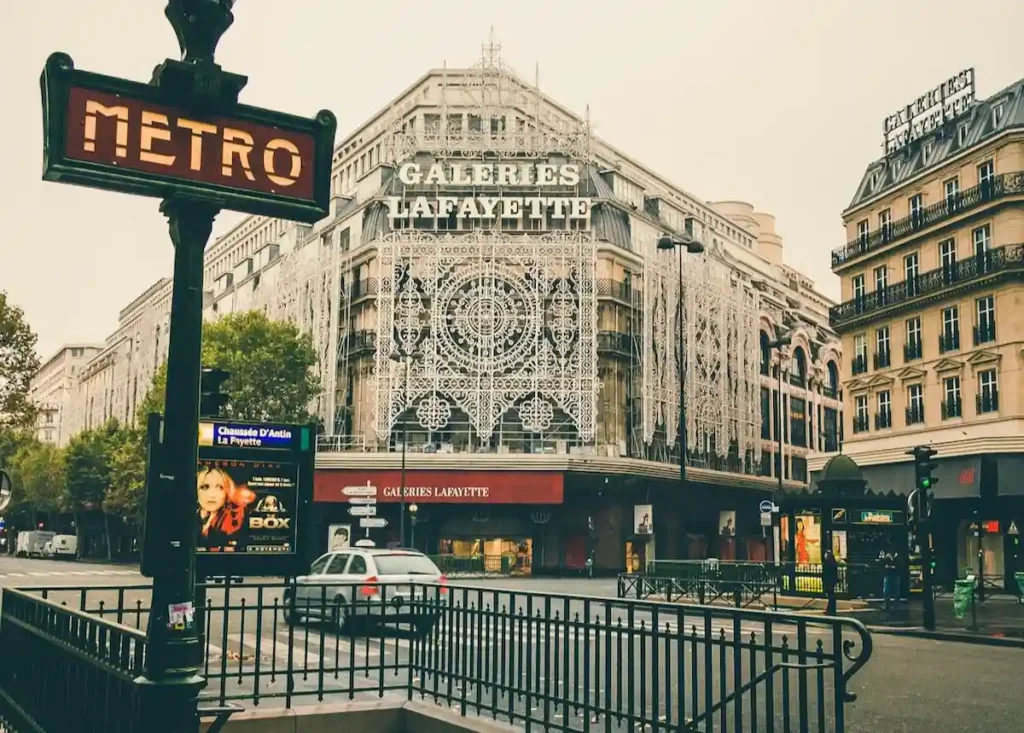
One of Europe’s biggest advantages for first-time travelers is how easy it is to get around. Many visitors worry they’ll need to rent a car or navigate unfamiliar roads, but the reality is quite the opposite. You do not need a car for most trips in Europe, and in many cities, driving is actually more stressful and expensive than using public transport.
Europe’s transportation system is built for everyday use by locals, not just tourists. That means it’s reliable, frequent, clearly organized, and well-connected. Once you understand the basics, moving around Europe becomes one of the easiest parts of your trip.
Within cities, public transportation is fast, affordable, and easy to use. Most major European cities are compact and designed for walking, with excellent transit systems filling in the gaps.
What you can expect inside cities:
- Metro systems that are quick, frequent, and inexpensive
- Trams and buses that reach nearly every neighborhood
- Walkable city centers, often the best way to explore
Many attractions, cafés, shops, and historic areas are close together, making walking not only free but also the most enjoyable way to experience a city. Public transport is best used for longer distances or when you’re short on time.
Traveling between cities and countries in Europe is just as simple. You can move across borders smoothly without complex procedures, which is especially comforting for first-time travelers.
Your main long-distance options include:
- Trains, which are comfortable, scenic, and city-center to city-center
- Budget flights, which are very cheap for long distances
- Early bookings, which significantly reduce ticket prices
Trains are often the preferred choice for shorter and medium distances, offering spacious seating and beautiful countryside views. Budget flights are best for longer routes when time matters more than scenery.
There are a few practical details that first-time travelers should know to avoid confusion or fines.
Important first-timer transport tips:
- Always validate tickets when required before boarding
- Keep your ticket until you exit the station or complete the journey
- Check platform and carriage information carefully
- Download transport apps for schedules, routes, and ticketing
Ticket inspections are common, and fines can be expensive if your ticket isn’t properly validated—even if you paid for it.
Another advantage of Europe’s transport system is how predictable it is. Signs are clear, schedules are reliable, and many ticket machines offer English language options. This makes navigating transport far less intimidating than many travelers expect.
Why Europe’s transport system works so well for first-time visitors:
- Designed for daily local use
- Reliable schedules
- Clear signage
- Affordable pricing
- Minimal language barriers
Once you take your first metro ride or train journey, confidence builds quickly.
Where to Stay in Europe (Location Matters More Than Hotel Type)
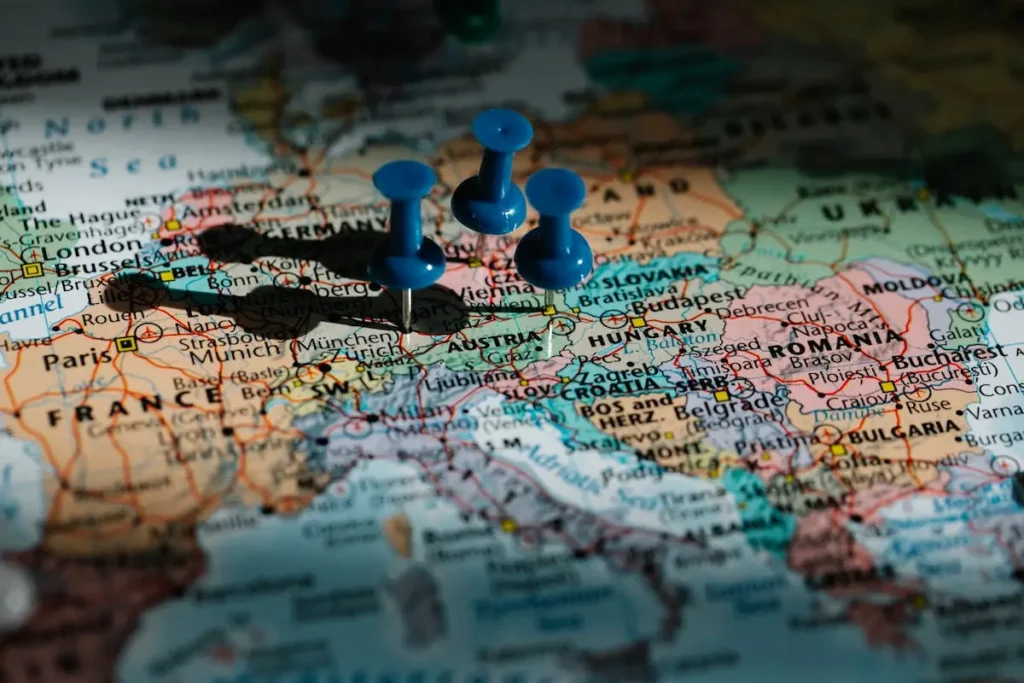
One of the most common reasons first-time travelers overspend in Europe is not the hotel itself, but where the hotel is located. Many people assume staying in the exact city center is the best option, but in Europe, this often leads to higher prices, smaller rooms, and noisier surroundings—without adding much convenience.
The truth is that location matters far more than hotel type. Europe’s excellent public transportation makes it easy to stay outside the main tourist zones while still reaching attractions quickly and affordably. Choosing the right area can significantly reduce accommodation costs without sacrificing comfort or safety.
A smarter approach is to focus on connectivity, not centrality.
Better strategies for choosing where to stay:
- Stay slightly outside the city center, where prices are lower
- Choose neighborhoods near metro, tram, or major bus lines
- Look for areas with direct transport to main attractions
- Prioritize access to public transport over hotel luxury
In many European cities, a 10–15 minute metro ride can reduce hotel prices dramatically while keeping your travel experience smooth and convenient.
Accommodation types in Europe are generally reliable, clean, and well-regulated, even at lower price points. First-time travelers don’t need to sacrifice comfort to save money—they just need to choose wisely.
Accommodation options that work well for first-time travelers:
- Hostels, which are often modern, clean, and well-organized, with private room options
- Budget hotels and guesthouses, especially common in Southern and Eastern Europe
- Boutique hotels in residential neighborhoods that offer comfort without tourist pricing
Many hostels and budget hotels in Europe are far more polished than travelers expect, offering secure entry systems, private bathrooms, and helpful front desks.
Another advantage of staying outside the main tourist center is the experience itself. Residential neighborhoods often feel calmer, more authentic, and better suited for rest after long sightseeing days. They also offer:
- Local bakeries and cafés at lower prices
- Supermarkets nearby
- Quieter streets at night
These small comforts make a big difference, especially for longer stays.
Being well-connected saves both time and money. With Europe’s reliable transport systems, you can reach landmarks, museums, and city centers quickly without paying premium accommodation prices. For first-time travelers, this balance of affordability and convenience often leads to a more relaxed and enjoyable trip.
Choosing the right location allows you to spend less on accommodation and more on experiences—where the real value of European travel lies.
Food Etiquette & Dining Culture in Europe (What First-Time Travelers Should Know)

Food is one of the highlights of traveling in Europe, but dining customs can feel unfamiliar to first-time visitors. While food culture varies by country, a few general rules apply across most of the continent and can help you avoid confusion, awkward moments, and unnecessary expenses.
Meals in Europe are usually relaxed and social rather than rushed. Service may feel slower than expected, but this is normal and meant to let you enjoy the experience rather than hurry through it.
What first-time travelers should know:
- Meal times are often later, especially dinner
- Lunch is the main meal in many countries
- Restaurants may close between lunch and dinner
- Portions may be smaller but higher in quality
Water and tipping are two common surprises. In many European countries, water is not automatically free, and bottled water may be served unless you ask for tap water. This is standard practice, not a tourist trick.
Basic tipping rules:
- Tipping is minimal or optional in most countries
- Rounding up the bill or leaving small change is enough
- Large tips are not expected
- Service charges may already be included
To eat well without overspending, avoid restaurants right next to major landmarks and those with staff actively pulling people inside. Some of the best meals come from simple places filled with locals.
How to avoid tourist restaurants:
- Eat a few streets away from attractions
- Look for menus in the local language
- Choose places locals frequent, even if they look modest
Eating like a local usually means better food, lower prices, and a more authentic experience. Simple cafés, bakeries, and neighborhood restaurants often become the most memorable part of a Europe trip.
Common Mistakes First-Time Travelers Make in Europe

Many travel problems in Europe don’t happen because travelers lack money or experience—they happen because of poor planning and unrealistic expectations. Europe is easy to travel, but that ease often tricks first-time visitors into doing too much, too fast.
Knowing what not to do is just as important as knowing what to do. Avoiding these common mistakes can save you time, money, and exhaustion, and can completely change how enjoyable your trip feels.
One of the biggest mistakes first-time travelers make is trying to see too much in one trip. Europe may look small on a map, but moving between countries and cities still takes time and energy.
Common mistakes that lead to burnout:
- Trying to visit too many countries in a short trip
- Changing cities every one or two days
- Treating Europe like a checklist instead of an experience
This often results in constant packing, long travel days, and very little time to actually enjoy each place.
Another frequent issue is underestimating travel time. Even when distances look short, real travel time includes getting to stations, waiting, transfers, and navigating unfamiliar systems.
Travel time is often underestimated when:
- Switching cities frequently
- Relying only on map distances
- Ignoring check-in and security time for flights
What looks like a “2-hour trip” on paper can easily turn into half a day.
Overpacking is another classic first-timer mistake. European cities involve a lot of walking, stairs, public transport, and compact accommodation.
Overpacking causes problems such as:
- Difficulty using public transport
- Slower movement through cities
- Physical exhaustion
- Extra airline or train baggage fees
Many travelers realize too late that they packed more than they ever needed.
Food mistakes also impact both budget and experience. Eating only near famous landmarks is convenient, but it usually leads to higher prices and lower quality.
Tourist-area dining often means:
- Inflated prices
- Generic menus
- Less authentic food
Some of the best meals in Europe are found just a few streets away from major attractions.
A Smarter Way to Travel Europe
Europe rewards travelers who slow down and plan intentionally rather than rushing.
A better approach for first-time visitors includes:
- Choosing fewer destinations and spending more time in each
- Allowing rest days between major sightseeing days
- Mixing free attractions with a few paid highlights
- Planning travel days realistically
- Packing light and flexible
Slower travel doesn’t mean seeing less—it usually means experiencing more.
Best Time to Visit Europe for First-Time Travelers
Choosing the right time to visit Europe can completely change your travel experience. Timing affects how much you spend, how crowded places feel, and how enjoyable sightseeing is, especially if it’s your first trip. While Europe can be visited year-round, some seasons are far more beginner-friendly than others.
Many first-time travelers automatically plan trips during summer because of holidays and warm weather. However, summer is also when Europe is at its busiest and most expensive. Understanding seasonal differences helps you avoid crowds, reduce costs, and enjoy Europe at a more relaxed pace.
Peak Season in Europe (What to Expect)
Peak season in Europe usually falls during the summer months, when tourism is at its highest.
During peak season, you’ll notice:
- Higher accommodation prices, especially in major cities
- More expensive flights and trains
- Heavy crowds at popular attractions
- Long lines at museums and landmarks
While summer offers long daylight hours and vibrant city life, it can feel overwhelming for first-time travelers who are still adjusting to transport systems, languages, and cultural differences.
Best Seasons for First-Time Travelers
For most first-time visitors, spring and autumn are the best times to visit Europe. These seasons offer the best balance between comfort, cost, and crowd levels.
Spring (April–May) and Autumn (September–October) are ideal because:
- Weather is generally mild and comfortable
- Tourist crowds are significantly lower
- Accommodation prices are more reasonable
- Attractions are easier to enjoy without rushing
Cities feel more relaxed during these months, making navigation easier and sightseeing more enjoyable for beginners.
Official tourism websites, such as national tourism boards, provide up-to-date information on seasons, festivals, and weather patterns across Europe.
So, Is Europe Easy for First-Time Travelers?
Yes—Europe is one of the easiest and most rewarding regions in the world for first-time international travelers. While planning may feel overwhelming at first, Europe is built around clear systems, strong infrastructure, and traveler-friendly services. Once you arrive, navigating cities, transportation, food, and accommodation becomes surprisingly intuitive.
Europe allows first-time travelers to focus on experiences rather than logistics. With reliable public transport, walkable city centers, and consistent safety standards, many of the worries associated with international travel disappear quickly. Most travelers gain confidence within the first few days.
If you understand the basics covered in this guide, you can avoid common mistakes, control your daily costs, and travel more smoothly across countries.
Why Europe works so well for first-time travelers:
- Reliable and easy-to-use public transportation
- Clear signage and tourist systems
- High safety standards across most regions
- Accommodation and food options for every budget
- Easy travel between cities and countries
Europe also offers flexibility, which is especially important for beginners. Whether you want to travel slowly, stick to one country, or explore multiple destinations, Europe adapts easily to different travel styles.
What first-time travelers usually discover:
- Europe feels less complicated than expected
- Daily travel routines become familiar quickly
- Confidence grows after just a few days
- Travel becomes enjoyable rather than stressful
While Europe may seem complex during the planning stage, the reality on the ground is very different. Once you start moving, everything connects smoothly—from trains and accommodations to meals and attractions.