How to Travel on a Budget.
Budget travel isn’t about being cheap. It’s about being intentional.
The best-performing budget travel blogs all agree on one thing: people don’t want to suffer while traveling cheaply — they want to travel smarter. They want to see more places, stay longer, and enjoy the experience without constantly worrying about money.
The truth is, most travelers overspend not because travel is expensive, but because they don’t know where money quietly disappears. Flights booked at the wrong time, hotels in the wrong area, eating in tourist zones, and overplanning every detail are some of the biggest budget killers.
This guide breaks down how to travel on a budget step by step, using strategies real travelers use again and again. No extreme backpacking advice. No unrealistic hacks. Just practical, proven budget travel tips that work worldwide.
Budget travel is often misunderstood. Many people assume it means sacrificing comfort, safety, or enjoyment—but that couldn’t be further from the truth.
In reality, budget travel is about making intentional choices, not cutting corners in ways that ruin the experience.

What Budget Travel Does Not Mean
Budget travel does not mean:
- Sleeping in unsafe or uncomfortable places
- Skipping meals or surviving on instant food
- Missing out on meaningful attractions or experiences
- Feeling stressed, restricted, or constantly uncomfortable
Smart budget travelers understand that some expenses are non-negotiable—especially when it comes to safety, health, and basic comfort. Cutting costs in these areas often leads to a worse trip and higher expenses later.
What Budget Travel Actually Means
Budget travel is about spending money where it adds real value and cutting costs where it doesn’t.
It means:
- Choosing clean, safe accommodation instead of luxury stays
- Eating local food instead of overpriced tourist restaurants
- Using public transport instead of expensive taxis
- Planning ahead to avoid unnecessary fees
Instead of asking “How can I spend the least?”, budget travelers ask:
“What expenses improve my experience—and which ones don’t?”
Value Over Price: The Core of Budget Travel
The most experienced budget travelers focus on value, not price.
They are willing to:
- Pay more for good location, comfort, or convenience
- Spend on experiences that create lasting memories
And they save aggressively on:
- Things that don’t improve the trip
- Tourist traps and unnecessary upgrades
- Impulse spending driven by poor planning
This mindset allows travelers to stay longer, travel more often, and enjoy trips without financial stress.
How to Travel on a Budget: Daily Cost Breakdown (Realistic Examples)
Budget travel costs vary widely depending on your destination, travel style, and the time of year. However, having a realistic daily budget range helps travelers plan confidently instead of guessing and overspending.
For most budget travelers, daily expenses usually include:
- Accommodation: budget hotels, guesthouses, or private hostel rooms
- Food: local restaurants, cafés, and street food
- Transport: public buses, trains, metro systems, or shared rides
- Activities: free attractions, walking tours, or low-cost experiences
Daily Budget Breakdown Example (Accommodation, Food & Transport)
Understanding where your money goes each day is the easiest way to stay within budget while traveling. Instead of tracking every small expense, experienced budget travelers focus on three main daily categories: accommodation, food, and transportation.
Here’s a realistic daily budget breakdown for a comfortable budget traveler.
Accommodation (40–50% of daily budget)
Accommodation usually takes the largest portion of a daily travel budget. The goal is not to book the cheapest place available, but to find a stay that is clean, safe, well-located, and reasonably priced.
Budget-friendly accommodation choices include:
- Budget hotels and guesthouses
- Private rooms in hostels
- Short-term rentals shared with others
Typical daily accommodation costs:
- Southeast Asia: $8–$15
- Europe: $20–$35
- North America: $35–$60
Choosing a place slightly outside the city center often reduces accommodation costs significantly without affecting convenience, especially in cities with reliable public transport.
Food (25–30% of daily budget)
Food costs are highly flexible and depend largely on where and how you eat. Budget travelers save money by balancing local dining with simple meals.
Smart ways to manage food expenses:
- Eat street food or local dishes
- Choose cafés and bakeries over tourist restaurants
- Avoid dining near major attractions
- Have simple breakfasts or snacks
Typical daily food costs:
- Southeast Asia: $7–$12
- Europe: $15–$25
- North America: $20–$30
In many destinations, eating like a local not only saves money but also offers a more authentic travel experience.
Transportation (10–15% of daily budget)
Transportation costs remain low when you rely on public transport instead of taxis or ride-hailing apps.
Budget travelers typically use:
- Buses and metro systems
- Trains and trams
- City transport passes
Typical daily transport costs:
- Southeast Asia: $3–$6
- Europe: $5–$10
- North America: $10–$15
In many cities, daily or weekly transport passes are far cheaper than buying individual tickets and help avoid unexpected expenses.
Activities & Extras (10–15% of daily budget)
Not every day needs paid attractions. Many cities offer:
- Free walking tours
- Public parks and viewpoints
- Free museum days
- Cultural neighborhoods to explore
Allocating a small daily amount for activities keeps your budget flexible while still allowing memorable experiences.

How to Travel on a Budget as a First-Time Traveler
Traveling internationally for the first time can feel overwhelming—especially when you’re trying to stay within a budget. Many first-time travelers overspend not because travel is expensive, but because everything feels unfamiliar, and uncertainty leads to unnecessary spending.
The good news is that budget travel becomes much easier once you understand a few key principles. These tips are specifically designed for first-time international travelers who want to travel comfortably without blowing their budget.
Start With Fewer Destinations
One of the most common beginner mistakes is trying to visit too many places in one trip. Constantly moving between cities or countries increases costs through transportation, accommodation changes, and travel fatigue.
For first-time travelers:
- Choose one country or region
- Stay longer in fewer places
- Reduce transport expenses
Slower travel not only saves money but also allows you to experience destinations more deeply.
Avoid Overplanning Every Detail
While planning is important, overplanning can be expensive. Booking every activity in advance often locks you into higher prices and removes flexibility.
Instead:
- Book major expenses like flights and accommodation
- Leave room for spontaneous decisions
- Take advantage of local recommendations
Many affordable experiences—such as free walking tours or local events—are discovered after you arrive, not before.
Learn Basic Local Customs and Prices
Understanding basic local norms can prevent unnecessary expenses and uncomfortable situations.
Before you travel:
- Learn average prices for food and transport
- Understand tipping culture
- Know common tourist scams
When you know what things should cost, you’re less likely to overpay or get pressured into expensive choices.
Use Cash and Cards Wisely
Managing money abroad is a common source of stress for first-time travelers.
Budget-friendly money habits include:
- Using local currency for small purchases
- Avoiding frequent ATM withdrawals to reduce fees
- Carrying a backup card for emergencies
Knowing how and when to use cash versus cards helps you avoid hidden charges and stay in control of your budget.
Pack Smart to Avoid Extra Costs
Overpacking is a beginner mistake that often leads to extra baggage fees, transportation difficulties, and stress.
Smart packing helps you:
- Avoid checked baggage fees
- Move easily between destinations
- Reduce replacement purchases
Pack versatile clothing, comfortable shoes, and only essentials. Most items can be bought locally if needed—often cheaper than at home.
Choose Accommodation With Practical Features
For first-time travelers, accommodation should offer more than just a bed.
Look for places that provide:
- Free Wi-Fi
- Easy access to public transport
- Kitchen or breakfast options
- Good reviews from budget travelers
These features may seem small, but they can significantly reduce daily expenses and travel stress.
Use Public Transport From Day One
Many first-time travelers rely on taxis because public transport feels confusing at first. However, learning how to use buses and metro systems early can save a lot of money.
Simple steps to get started:
- Download offline transport maps
- Ask accommodation staff for guidance
- Purchase daily or weekly passes
Once you’re comfortable, public transport becomes one of the best budget travel tools.
Accept That Small Mistakes Are Part of Travel
No first trip is perfect—and that’s okay.
You might:
- Overpay for a meal
- Take a wrong bus
- Book something you don’t need
These experiences are part of learning. What matters is recognizing patterns and adjusting as you go. Budget travel improves with experience, not perfection.

Choose Destinations That Work With Your Budget
One of the greatest advantages budget travelers have is flexibility. Unlike fixed vacation packages or short luxury trips, budget travel allows you to choose destinations based on value, not just popularity.
Some parts of the world naturally offer more for your money. In these places, everyday expenses—such as accommodation, food, and transportation—cost significantly less, allowing you to stay longer, travel slower, and experience more without increasing your budget.
Instead of asking, “Where do I want to go?”, smart budget travelers ask a more powerful question:
“Where can my budget take me the furthest?”
Regions That Offer the Best Value for Budget Travelers
While budget travel is possible almost anywhere, certain regions are especially friendly for travelers watching their spending.
Budget-friendly regions often include:
- Large parts of Asia, where affordable accommodation and low food costs make daily expenses manageable
- Eastern and Southern Europe, where public transport is efficient and local dining is reasonably priced
- Some areas of South America, which offer excellent value for accommodation, food, and local experiences
Related reads:
In these regions, it’s common to find clean stays, satisfying meals, and reliable transport at a fraction of the cost compared to more expensive destinations.
By being intentional with spending and planning, even traditionally expensive destinations can be explored on a budget—just with a different travel style.
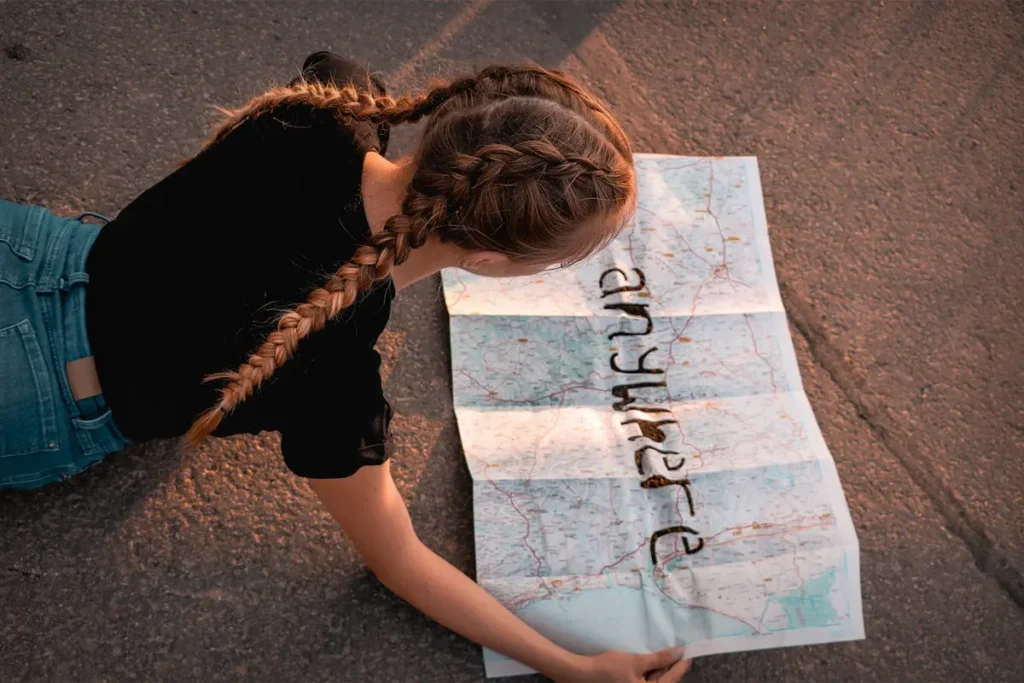
Travel at the Right Time (Timing Saves More Than Discounts)
High-performing budget travel blogs consistently highlight one powerful truth:
timing matters more than discounts.
Many travelers spend hours searching for deals, but even the best discount won’t help if you travel during peak season. During these periods, demand is high and prices rise across the board—flights cost more, accommodation fills up quickly, tours become expensive, and even simple meals near tourist areas are often overpriced.
This is where shoulder season becomes a budget traveler’s best friend.
Shoulder season refers to the period just before or after peak season, when destinations are still enjoyable but far less crowded. Weather conditions are usually good, services operate normally, and prices drop significantly compared to peak months.
Traveling during shoulder season offers multiple advantages at the same time:
- Accommodation prices are noticeably lower, giving you more comfortable options within the same budget
- Flights are easier to find at reasonable rates, with more flexibility in schedules
- Attractions are less crowded, making sightseeing more enjoyable
- Service quality is often better, as staff are less overwhelmed
- The overall experience feels calmer and more authentic, closer to local life
For budget travelers, this combination is hard to beat.
Book Flights Strategically (Not Emotionally)
Flights are often the largest single expense in a travel budget, which is why booking them wisely can make a dramatic difference to your overall costs.
One of the most common mistakes travelers make is booking flights emotionally—driven by excitement, fear of missing out, or the pressure to lock something in quickly. Budget travelers take a very different approach. They plan with patience, flexibility, and realistic expectations, understanding that timing and choices matter more than impulse.
Smart Flight Booking Habits That Save Money
Successful budget travelers follow a few consistent habits that help keep flight costs under control:
- Flying midweek instead of weekends, when demand is usually lower and prices are more competitive
- Being flexible with departure and arrival times, especially early mornings or late nights, which often cost less
- Avoiding unnecessary add-ons, such as seat selection, priority boarding, or in-flight extras that rarely improve the experience
- Traveling light, allowing you to skip checked baggage fees that can significantly increase the final ticket price
These small decisions add up and often result in substantial savings.
Understanding Budget Airline Pricing
Budget airlines can offer excellent value, but only if you understand how their pricing model works. Low base fares are often designed to attract attention, while additional fees are charged for almost everything else.
Common extra charges include:
- Checked and carry-on baggage
- Seat selection
- Meals and drinks
- Flight changes or cancellations
If you’re not careful, these extras can quickly erase any savings and make a budget airline more expensive than a full-service carrier.
Focus on Value, Not Just Price
Strategic flight booking isn’t about finding the cheapest ticket available—it’s about finding the best overall value.
A slightly higher-priced flight that includes baggage, better timing, or fewer layovers may save money in other areas, such as accommodation, transport, or stress. Budget travelers weigh all these factors before booking.
When you approach flight booking strategically rather than emotionally, you protect your budget and start your trip on the right foot.
You can use tools like Skyscanner to compare flight prices across multiple dates and airlines.
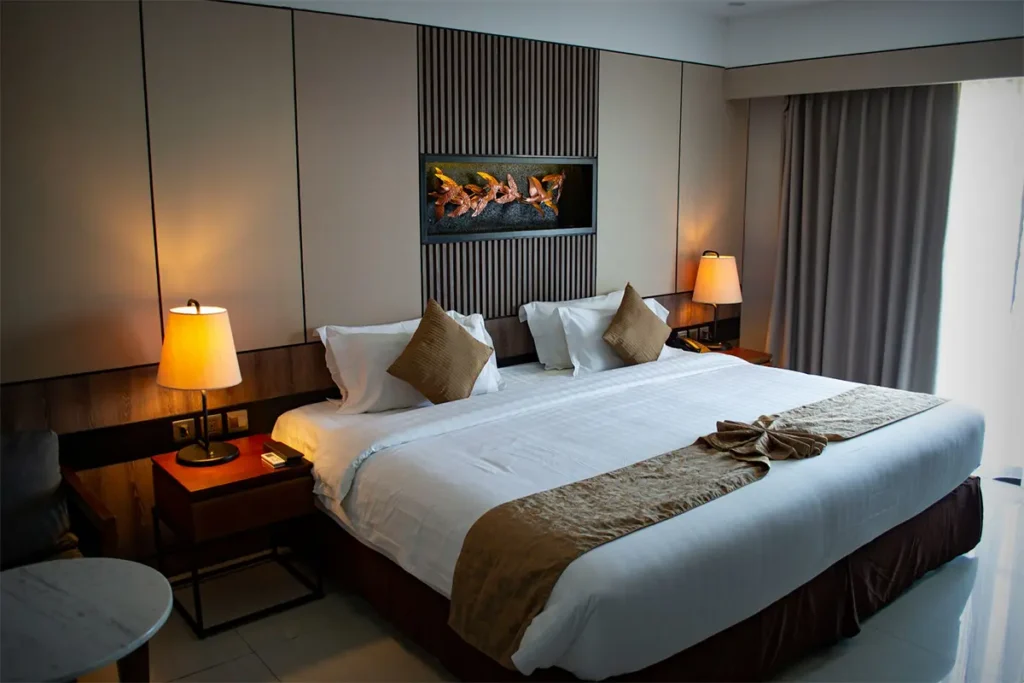
Choose Accommodation That Fits Your Travel Style
Accommodation is one of the easiest areas to overspend—especially for new travelers who assume that comfort automatically comes with a higher price tag. In reality, where you stay has less to do with luxury and more to do with smart choices.
The goal of budget travel is not to book the cheapest bed available. Instead, it’s about finding the right balance between comfort, location, safety, and price. A well-chosen place to stay can improve your entire trip while still keeping your daily costs under control.
Understand What You’re Really Paying For
When it comes to accommodation, travelers often pay extra for things they don’t actually need—such as unnecessary amenities, premium locations, or brand names.
Budget travelers focus on:
- Clean and safe rooms
- Comfortable beds
- Good reviews from other travelers
- Convenient access to public transport
These factors matter far more than luxury extras that rarely improve the overall experience.
Budget-Friendly Accommodation Options to Consider
There are several accommodation types that offer excellent value without sacrificing comfort:
- Budget hotels and guesthouses – Often family-run, clean, and affordable, especially outside tourist hotspots
- Private rooms in hostels – A great option for travelers who want privacy without paying hotel prices
- Short-term rentals shared with others – Ideal for longer stays or travelers who prefer more space
Each of these options can offer comfort and convenience when chosen carefully.
Why Location Matters More Than Luxury
Staying in the heart of a city may sound appealing, but central locations often come with significantly higher prices. In many destinations, staying slightly outside the city center can reduce accommodation costs without sacrificing accessibility.
In cities with reliable public transport:
- Commute times remain short
- Transport costs stay predictable
- Daily travel becomes easier than expected
This small compromise can free up a larger portion of your budget for food, experiences, and activities that actually enhance your trip.
Read Reviews Like a Budget Traveler
Reviews are one of the most powerful tools for finding good accommodation on a budget.
Smart budget travelers look for:
- Consistent mentions of cleanliness
- Comments about noise levels and safety
- Honest feedback about location and transport access
Avoid places with repeated complaints about cleanliness or misleading photos, even if the price looks tempting.
Eat Smart Without Missing Local Food Experiences
Food is one of the greatest joys of travel—but it’s also one of the easiest areas to overspend, often without realizing it. Small daily food choices can quietly add up and have a big impact on your overall budget.
The most successful budget travel blogs consistently highlight one simple but powerful rule:
eat where locals eat.
Restaurants located near major attractions or tourist zones are usually designed for convenience rather than quality. They often charge higher prices for average food, knowing that many visitors won’t return anyway. Local eateries, on the other hand, depend on regular customers—so they focus on flavor, value, and consistency.
Smart Ways to Save Money on Food While Traveling
Budget travelers don’t avoid eating out—they just eat strategically.
Here are some proven ways to enjoy great food without overspending:
- Avoid restaurants near major attractions, where prices are inflated to match tourist demand
- Eat street food from busy, well-reviewed stalls, which often serve fresh, local dishes at very low prices
- Choose local cafés and bakeries instead of international chains, which are usually more expensive and less authentic
- Balance restaurant meals with simple breakfasts or snacks, such as fruit, bread, or yogurt
This balanced approach allows you to enjoy local cuisine while keeping daily food costs under control.
Why Local Food Is Often the Best Choice
Eating cheaply doesn’t mean eating poorly. In many countries, local food is not only affordable—it’s also one of the most memorable parts of the trip.
Local dishes often:
- Use fresh, seasonal ingredients
- Reflect cultural traditions
- Cost far less than tourist-oriented meals
Trying local food helps you connect with the culture, support small businesses, and experience destinations in a more authentic way.

Use Public Transportation Like a Local
Taxis and ride-hailing apps may feel convenient, but they quietly drain travel budgets—especially in cities where short distances still come with high fares. What feels like a small expense each time can quickly add up over the course of a trip.
Public transportation, on the other hand, is one of the most reliable tools budget travelers use to control daily costs. It’s not just cheaper—it often provides a more authentic view of local life and how a city truly functions.
Why Public Transport Works So Well for Budget Travelers
Public transport systems are designed for everyday use, which makes them naturally affordable and efficient.
Key advantages include:
- Fixed, predictable pricing, so you always know what you’ll pay
- Daily or weekly city passes that significantly reduce per-trip costs
- Easy access to major neighborhoods, attractions, and transit hubs
- No surge pricing, unlike taxis or ride-hailing apps during busy hours
In many cities, a single transport pass can cover buses, trains, trams, and metro systems, simplifying travel and budgeting at the same time.
How to Get Comfortable Using Public Transport Quickly
Many travelers avoid public transport simply because it feels unfamiliar at first. However, learning the basics usually takes only a short time.
Simple ways to get started:
- Download offline maps or transport apps before arriving
- Ask accommodation staff for advice on routes and passes
- Start with short, simple trips to build confidence
Once you understand the system, moving around becomes faster, easier, and far more affordable.
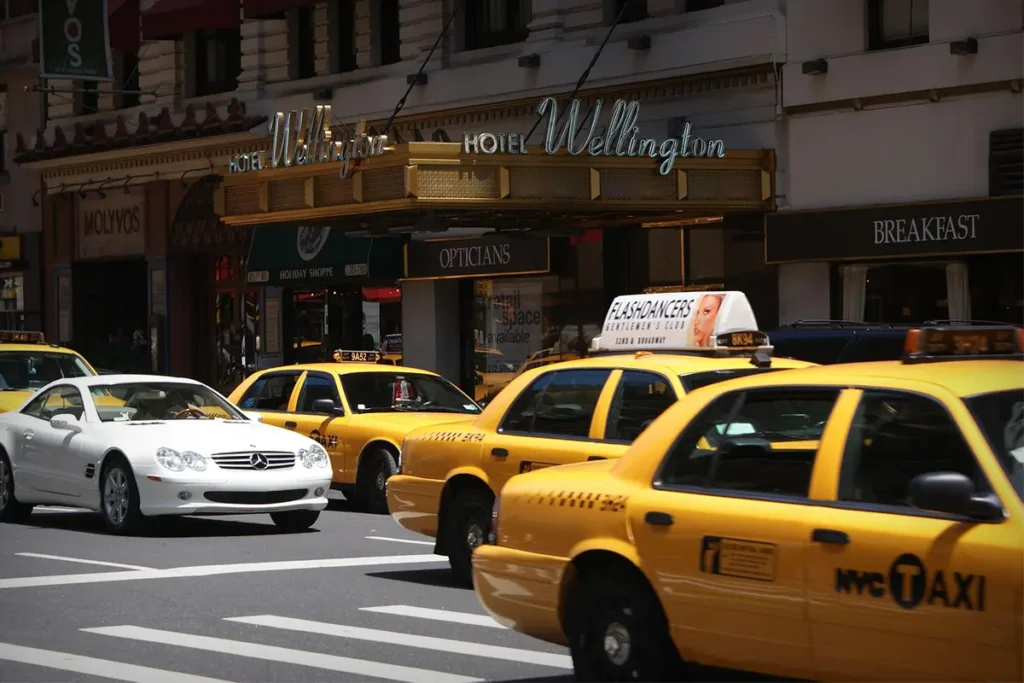
Focus on Experiences, Not Things
One major difference between new travelers and experienced budget travelers is what they spend money on.
Experienced travelers prioritize:
- Experiences
- Cultural activities
- Nature and walking routes
They spend less on:
- Souvenirs
- Tourist traps
- Overpriced attractions
Many cities offer free or low-cost experiences that are often more memorable than expensive tours.
Avoid These Common Budget Travel Mistakes
Even experienced travelers make mistakes, but beginners often repeat the same ones.
Common mistakes to avoid:
- Overplanning every detail
- Booking everything too early
- Ignoring hidden fees
- Carrying too much luggage
- Staying too close to tourist hotspots
Flexibility is one of the most underrated budget travel skills.

Can You Travel Comfortably on a Budget?
Yes — and millions of travelers already do.
Budget travel doesn’t limit your experiences.
It expands them.
By spending intentionally, you travel longer, explore deeper, and return home without financial regret.
Final Thoughts: Budget Travel Is a Skill You Learn
The more you travel, the better you get at it.
Learning how to travel on a budget is not about one trip — it’s about building a skill that stays with you for life. Each journey teaches you what’s worth paying for and what isn’t.
Travel doesn’t have to be rare or expensive.
With the right mindset and planning, it becomes accessible, repeatable, and deeply rewarding.
If you’re ready to put these tips into action, start with destinations that naturally stretch your budget further.