
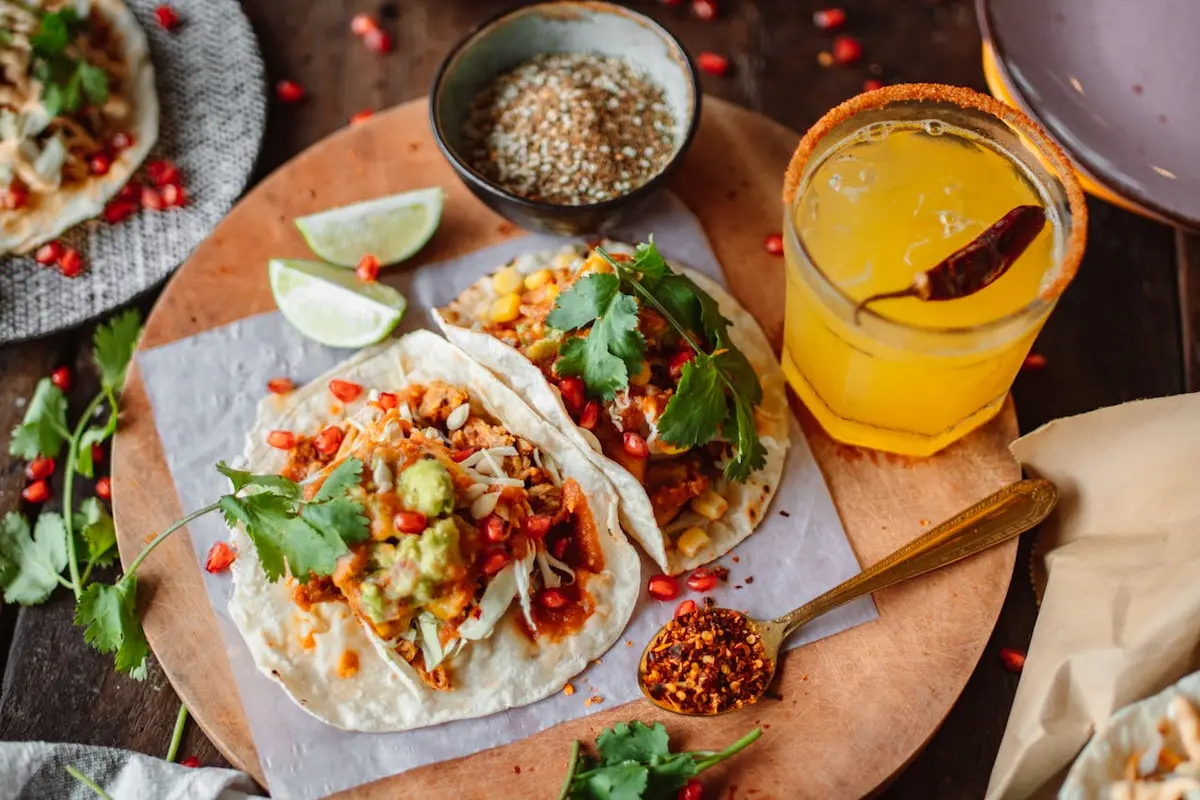
One of the biggest myths about travel is that eating well abroad has to be expensive. Many first-time travelers assume that enjoying local food means sitting down at costly restaurants, ordering full meals, and spending a large part of their daily budget on food alone.
In reality, this couldn’t be further from the truth. Some of the best meals you’ll ever eat while traveling are also the cheapest—if you know where to look. Local food culture is built around everyday eating, not tourist dining. Street stalls, bakeries, small cafés, food markets, and neighborhood eateries often serve food that is fresher, more authentic, and far more affordable than restaurants designed for visitors.
Most travelers overspend on food not because they want luxury, but because they don’t know how food works in a new destination. Hunger, convenience, and unfamiliar surroundings often lead people to choose the first restaurant they see. Over time, this habit quietly inflates food costs without improving the quality of meals.
Common reasons travelers overspend on food include:
- Eating near major tourist attractions
- Ordering full restaurant meals for every meal
- Assuming high prices equal authentic or better food
- Relying on tourist menus instead of local options
What many travelers don’t realize is that locals eat very differently. They don’t dine at tourist hotspots, they don’t eat heavy restaurant meals three times a day, and they don’t choose restaurants based on reviews written by short-term visitors. Instead, they eat affordably, consistently, and with a strong connection to local culture.
Learning how locals eat allows you to spend less and experience more. It changes how you approach food while traveling and removes much of the stress around daily budgeting.
This guide will show you how to:
- Eat cheap while traveling without sacrificing quality
- Find authentic local food at affordable prices
- Avoid tourist food traps that drain your budget
- Balance budget eating with cultural experiences
No matter where you travel—big cities, small towns, or popular tourist destinations—these principles apply. When you understand local food habits, eating becomes one of the easiest and most enjoyable parts of your trip.
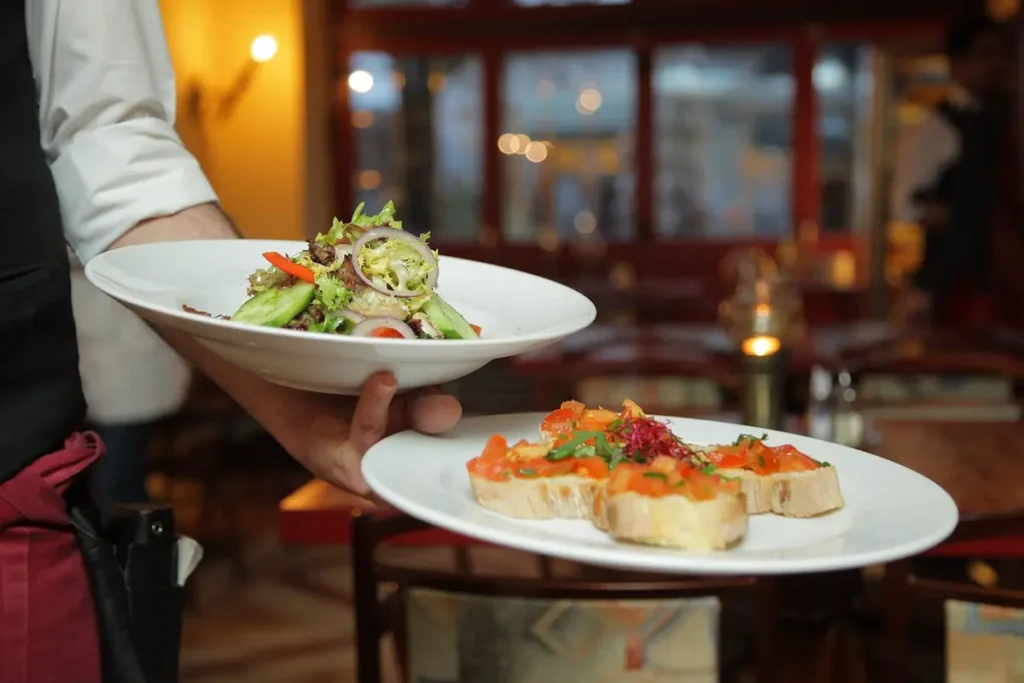
Why Travelers Spend Too Much on Food While Traveling
Food is one of the easiest travel expenses to underestimate. Unlike flights or accommodation—which are paid upfront and clearly tracked—food spending happens in small, frequent amounts throughout the day. A coffee here, a snack there, an unplanned restaurant stop when hunger hits. Individually, these costs feel harmless. Together, they quietly drain your travel budget.
Another reason food spending gets out of control is habit. At home, many people are used to eating three full meals a day at restaurants or ordering takeout without thinking twice. When traveling, this routine often continues—except prices are higher, portions are unpredictable, and tourist areas inflate costs even further. Without realizing it, travelers end up paying far more for food than they ever planned.
Common reasons travelers blow their food budget include:
- Eating near major attractions, where restaurants charge more for location than quality
- Choosing convenience over value, especially when tired or hungry
- Ordering full restaurant meals three times a day out of routine, not necessity
- Falling for tourist menus that look familiar but are overpriced and generic
- Not understanding local eating habits, such as meal timing or typical portion sizes
These habits don’t just increase spending—they often lead to disappointing meals. Many travelers spend more money but enjoy the food less because they’re eating in places designed for quick tourist turnover rather than local quality.
The result is a food budget that quietly doubles by the end of the trip. Travelers often look back and wonder where the money went, even though nothing felt particularly expensive at the time.
The solution isn’t eating less or skipping meals. It’s eating smarter. Once you understand how locals eat, where value really exists, and how to plan food just as intentionally as transport or accommodation, food becomes one of the most enjoyable—and affordable—parts of traveling.
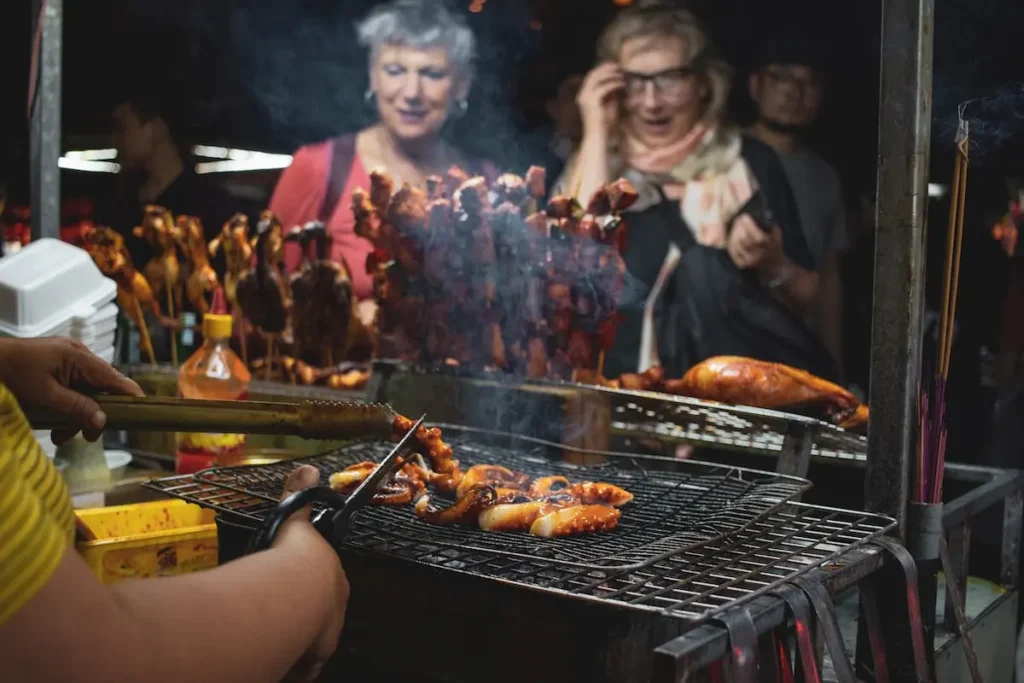
The One Rule That Changes Everything: Eat Like a Local
If there is one rule that can completely transform how you eat while traveling, it’s this: if locals don’t eat somewhere, you probably shouldn’t either. This simple idea explains why some travelers eat incredibly well on a small budget while others spend more and enjoy their meals less.
Restaurants built for tourists operate very differently from places meant for locals. Tourist restaurants rely heavily on foot traffic and location—busy squares, famous landmarks, and popular streets. Their customers are usually there once, which means there’s little incentive to offer great value or consistently high-quality food. Prices are higher, menus are larger, and dishes are often adjusted to feel “familiar” rather than authentic.
Local restaurants, on the other hand, survive on repeat customers. The people eating there come back week after week. That creates a completely different standard. Food needs to be good, prices need to be fair, and service needs to be efficient. These places don’t rely on flashy signs or aggressive marketing—they rely on reputation.
When you eat where locals eat, the difference becomes obvious very quickly. You’ll notice:
- Lower prices that reflect everyday dining, not tourist demand
- Better flavor, because dishes are prepared the way locals actually eat them
- Simpler menus focused on a few well-made dishes
- Faster, more efficient service designed for regular customers
- More authentic meals that reflect regional cooking styles
Eating like a local isn’t about being adventurous or forcing yourself to try unfamiliar foods. It’s about observing everyday habits and following them. Locals eat at certain times, in certain places, and in certain ways because it makes sense for their lifestyle—not because it’s trendy or popular online.
Once you adopt this mindset, food stops being something you “figure out” every day. You start recognizing patterns: busy lunch spots, neighborhood bakeries, small cafés filled with regulars. These are the places where food is affordable, satisfying, and genuinely connected to the culture you’re visiting.
By choosing local habits over tourist routines, you don’t just save money—you eat better, feel more confident, and experience destinations in a more meaningful way.
If food is one of your biggest travel expenses, learning how to travel on a budget can make a huge difference in how long and comfortably you travel.
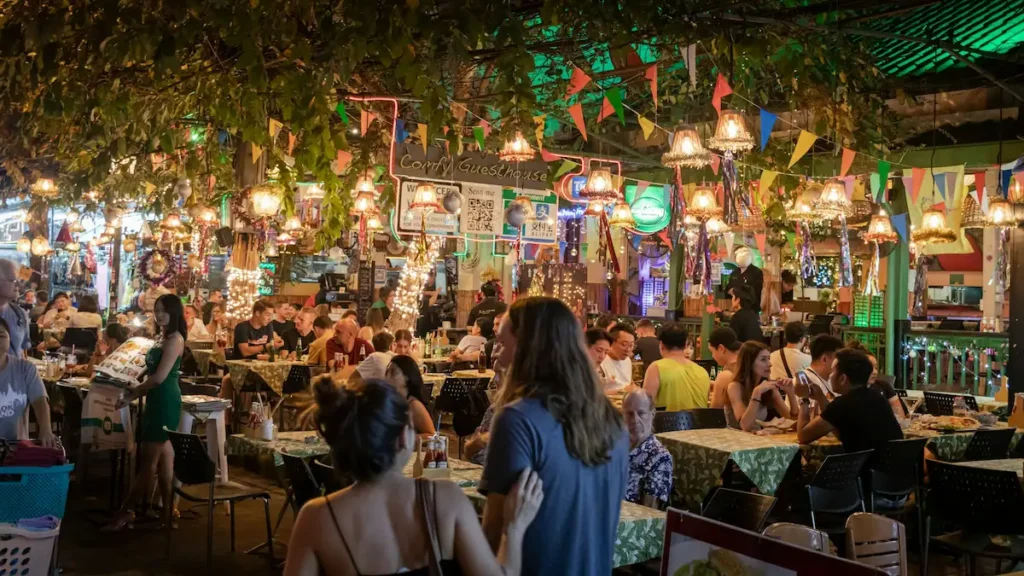
Walk Away From Attractions Before You Eat
One of the fastest ways to overspend on food while traveling is to eat right next to major attractions. Restaurants closest to landmarks are almost always the worst value—not because the food is terrible, but because their prices are built around location, not quality.
These places know exactly who their customers are. Travelers visiting famous sights are often tired, hungry, and short on time. Many will eat once and never return. Because of this, restaurants near attractions don’t need repeat business. Instead, they raise prices, simplify flavors to appeal to everyone, and focus more on volume than consistency.
Just a short walk can completely change the food experience. Even moving five to ten minutes away from a popular site often reveals a very different type of restaurant—one that serves locals, charges fair prices, and takes pride in its food.
A simple rule to follow before choosing where to eat:
- Walk 5–10 minutes away from major attractions or tourist squares
- Look for streets with offices, apartment buildings, or local markets
- Choose places that look busy but not flashy or aggressively marketed
Busy restaurants are a good sign, but flashy signs, photo-heavy menus, and staff calling people inside are often red flags. Instead, look for simple storefronts filled with people who appear to be local and relaxed.
The difference in price and quality can be dramatic. The same dish might cost significantly less just a few streets away—and taste better too. By stepping away from landmarks before you eat, you turn food from a tourist expense into a genuinely enjoyable part of the travel experience.
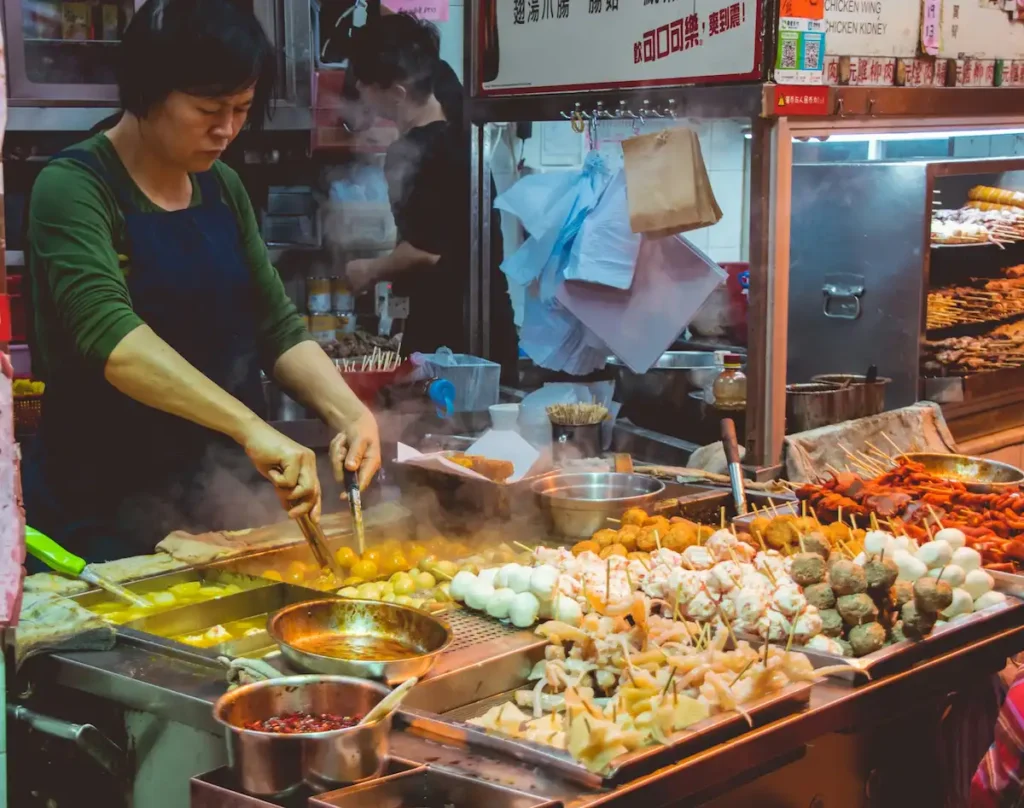
Street Food Is Not “Cheap Food”—It’s Local Food
Many travelers hear the phrase street food and immediately think of it as a budget backup—something you eat only when you’re trying to save money. In reality, street food exists for a very different reason. It exists because locals need food that is fast, affordable, flavorful, and reliable. Long before tourists arrived, street food was already feeding cities.
In many destinations, street food isn’t an alternative to local cuisine—it is local cuisine. These dishes are often passed down through generations, perfected over time, and deeply connected to regional identity. Some foods are simply meant to be eaten on the street, not served on plates in restaurants.
For travelers, this is incredibly good news. Street food offers one of the easiest ways to eat well without overspending, while also experiencing food the way locals do every day.
Why street food works so well for travelers:
- Freshly cooked due to high turnover, meaning food doesn’t sit around
- Regional specialties that you often won’t find in sit-down restaurants
- Designed for everyday eating, not special occasions or tourists
- Incredibly affordable, especially compared to restaurant meals
Another key advantage is simplicity. Street food menus are usually short and focused. Vendors specialize in just a few items, which means those items are prepared efficiently and consistently. Instead of a long menu trying to please everyone, you get one or two dishes done really well.
A simple rule to follow when choosing street food is to observe before you order. If locals are lining up—especially locals who look like they’re on lunch breaks or grabbing quick meals—you’re almost certainly in the right place. High turnover is one of the best indicators of freshness and quality.
Street food also removes many of the pressures that come with restaurant dining. There’s no tipping confusion, no pressure to order multiple courses, and no obligation to sit for long periods. You eat, enjoy, and move on—just like locals do.
For travelers who want to eat cheaply without missing local food, street food is not a compromise. It’s often the most authentic, satisfying, and memorable way to experience a destination’s cuisine.

Bakeries and Small Cafés Are Budget Gold
Bakeries and neighborhood cafés are often overlooked by travelers, yet they are some of the best-value food spots you’ll find anywhere in the world. For locals, these places are part of daily life—not a special outing. That’s exactly why they’re affordable, reliable, and consistently good.
Unlike restaurants that cater to tourists, bakeries and cafés are designed for regular customers. People stop by on the way to work, during lunch breaks, or while running errands. Prices are set for everyday eating, not once-in-a-lifetime experiences. For travelers, this creates an opportunity to eat well without spending much.
These places are especially useful when you don’t want a long sit-down meal or when your schedule is unpredictable. Sightseeing days often involve lots of walking, short breaks, and irregular hunger—and bakeries and cafés fit perfectly into that rhythm.
They’re ideal for:
- Breakfast, when fresh pastries, bread, and coffee are inexpensive and widely available
- Quick lunches, such as sandwiches or simple hot dishes that don’t require waiting
- Light dinners, especially after a big lunch or a long day of sightseeing
- Snacks between attractions, when you just need something small and satisfying
You’ll often find freshly baked bread, filled sandwiches, savory pastries, soups, and local comfort food at prices far lower than restaurant meals. The quality is usually high, ingredients are fresh, and portions are designed to be filling without being heavy.
Another advantage is speed and flexibility. You can eat in, take food to go, or even picnic in a nearby park. There’s no pressure to order multiple items or sit for long periods. This makes bakeries and cafés perfect for travelers who want to stay moving without sacrificing good food.
For anyone trying to eat cheaply while traveling, bakeries and small cafés aren’t just a backup option—they’re a smart, everyday strategy that locals rely on for good reason.
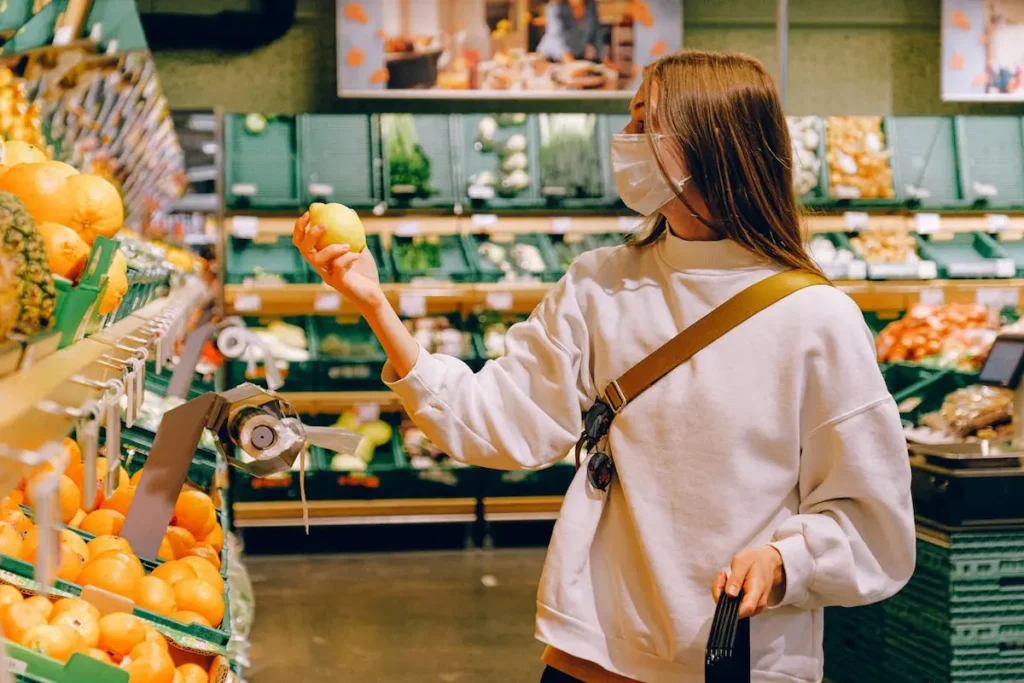
Supermarkets Are Not “Giving Up” on Local Food
Many travelers assume that buying food from a supermarket means missing out on local cuisine or having a less authentic experience. In reality, supermarkets are one of the best places to discover everyday local food—the kind people actually eat at home, not just what’s served in restaurants.
Supermarkets are designed for locals, not tourists. That means prices are fair, quality is regulated, and food reflects regional tastes. When you walk through a supermarket abroad, you’re seeing what families cook, what people pack for lunch, and what snacks are popular in that country. In many ways, it’s a cultural experience on its own.
For travelers, supermarkets are especially useful because they offer flexibility. Sightseeing days don’t always follow a perfect meal schedule, and hunger doesn’t always align with restaurant hours. Supermarkets let you eat well on your own terms—without pressure, tipping, or inflated tourist prices.
You’ll often find:
- Regional cheeses and breads that are staples of local cuisine
- Local snacks and sweets you won’t see back home
- Ready-made traditional meals, often freshly prepared daily
- Fresh fruit, salads, and simple sides perfect for light meals
Using supermarkets strategically doesn’t mean avoiding restaurants altogether. It means choosing when to spend and when to save. Breakfast and snacks are the easiest places to cut costs without sacrificing quality. A simple breakfast from a supermarket can be just as satisfying as a café meal at a fraction of the price.
Supermarkets are also ideal for long sightseeing days. Buying snacks, water, or fruit in advance prevents expensive impulse purchases later. This small habit alone can significantly reduce daily food spending.
Another benefit is control. You can choose portion sizes, avoid food waste, and eat according to your appetite rather than restaurant expectations. This is especially helpful for travelers who prefer lighter meals or have dietary restrictions.
Eating cheaply while traveling isn’t about avoiding local food—it’s about finding it in the places locals actually use. Supermarkets are part of everyday life in almost every destination, and when used smartly, they allow you to eat well, save money, and still experience authentic local flavors.
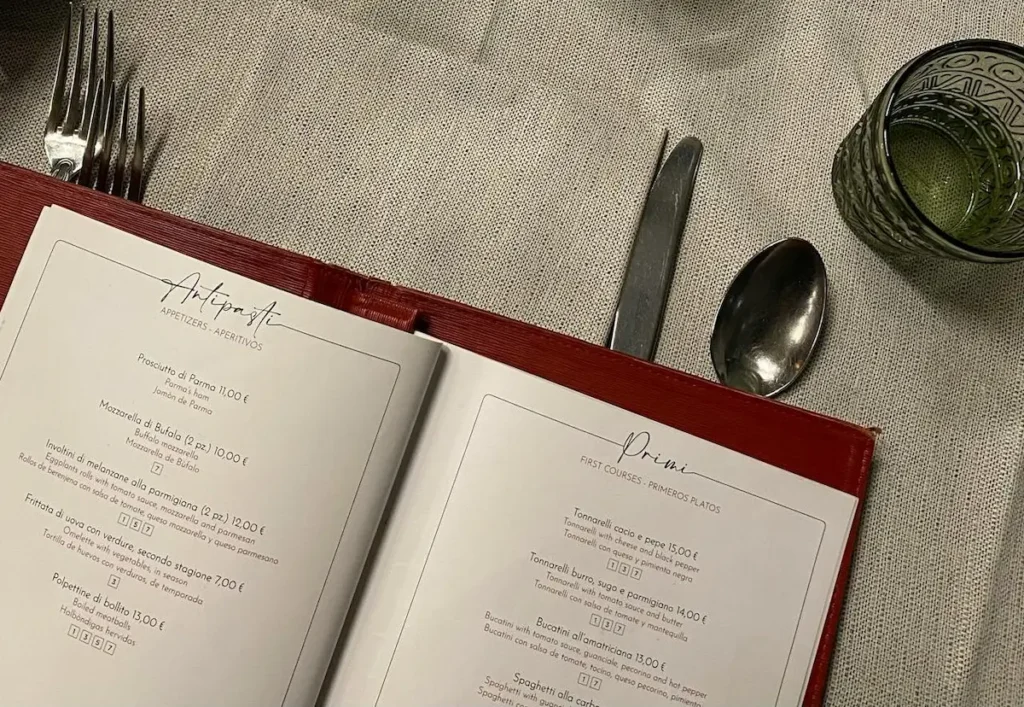
Avoid Menus That Scream “Tourist”
One of the easiest ways to tell whether a restaurant is aimed at tourists or locals is by simply looking at the menu. Restaurants designed for tourists often try to appeal to everyone, which usually means higher prices, generic food, and less authenticity. These places depend on one-time visitors rather than repeat customers, so the menu becomes a marketing tool rather than a reflection of local cuisine.
Tourist-focused menus are built to feel safe and familiar. They often include too many options, dishes from multiple cuisines, and visual cues meant to attract attention rather than highlight quality. While they may look convenient, these menus usually signal inflated prices and average food.
Be cautious of restaurants that:
- Have menus written in six or more languages
- Display photos of every dish, especially large glossy images
- Use words like “authentic,” “traditional,” or “world-famous” repeatedly
- Have staff standing outside calling people in or offering “special deals”
These signs don’t guarantee bad food—but they do suggest that the restaurant is targeting tourists who won’t return. As a result, there’s less incentive to keep prices low or maintain consistent quality.
Menus written mostly in the local language are often a much better sign. They indicate that the restaurant expects local customers and doesn’t need to simplify everything for visitors. Even if you don’t understand every word, a shorter menu with local names usually means the kitchen focuses on a few dishes done well.
Another good sign is balance. A menu that offers local dishes without excessive explanation, seasonal items, or daily specials often reflects real cooking rather than mass tourism.
Learning to recognize tourist menus helps you make faster, smarter food decisions. Instead of spending time and money on disappointing meals, you’ll naturally gravitate toward places with fair prices, better flavor, and a more authentic connection to the local food culture.

Share Meals and Watch Your Drinks (Small Choices, Big Savings)
Two of the easiest ways travelers accidentally overspend on food are ordering more than they need and underestimating how much drinks cost. These expenses don’t feel significant in the moment, but over the course of a trip, they quietly add up and can double your food budget without improving the experience.
Portion sizes are often larger than expected, especially in casual local restaurants. Travelers tend to order individual meals out of habit, not hunger, which often leads to wasted food, unnecessary spending, and feeling overly full while sightseeing. Sharing meals helps you eat more intentionally while getting more value from each stop.
Sharing food isn’t just about saving money—it also improves the food experience. Instead of being limited to one dish, you can taste multiple local specialties in a single meal. This is especially helpful when you’re short on time or visiting a destination only once.
Sharing meals allows you to:
- Spend less, by ordering fewer main dishes
- Try more local food, instead of committing to a single option
- Avoid overeating, which can slow you down during sightseeing
At the same time, drink spending is one of the fastest ways food costs spiral out of control. Drinks often cost nearly as much as food, yet they don’t provide the same value or satisfaction. A couple of soft drinks, coffees, or alcoholic beverages per meal can quietly double your bill.
Being mindful about drinks doesn’t mean skipping enjoyment—it means choosing wisely.
Smart drink habits include:
- Drinking water instead of soft drinks at restaurants
- Buying beverages from supermarkets, where prices are much lower
- Limiting alcohol with meals, especially in tourist areas
- Enjoying coffee without ordering food every time, especially at cafés
Food fills you up. Drinks drain your budget.
By sharing meals and being intentional about what you drink, you make two small changes that have a big impact. These habits allow you to eat well, stay comfortable, and experience more local food—without watching your budget disappear one meal at a time.
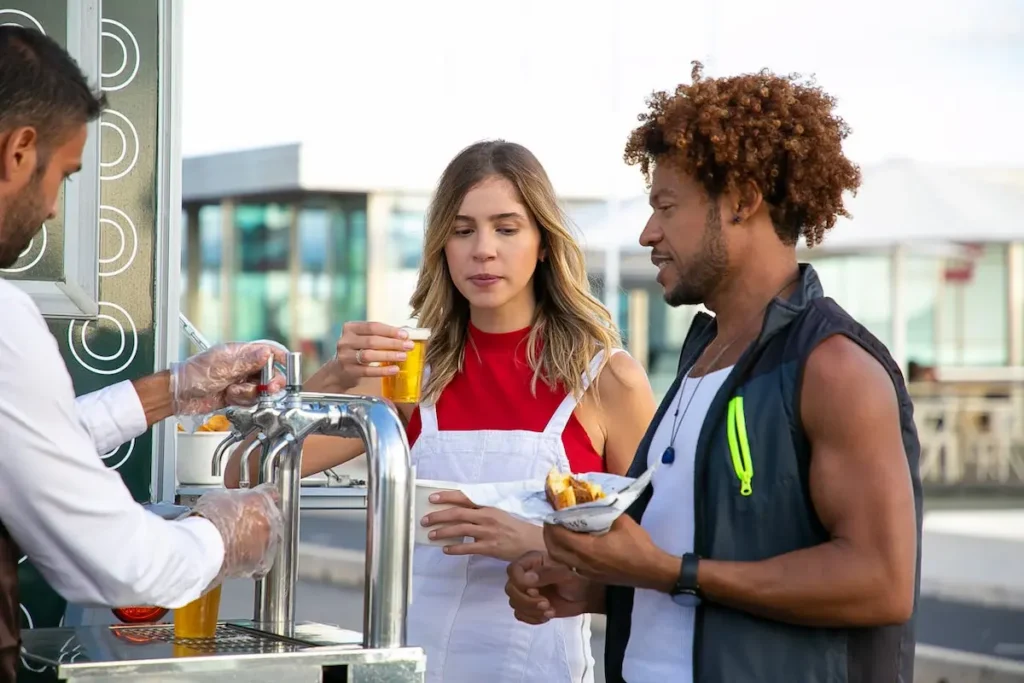
Follow Workers, Not Reviews
When you’re hungry in a new city, it’s tempting to open review apps and search for the “top-rated” restaurant nearby. While reviews can be helpful, they don’t always lead you to the best value or the most authentic food. One of the most reliable—and underrated—food strategies while traveling is much simpler:
Eat where workers eat.
Office workers, shop staff, delivery drivers, and local employees eat out regularly. They care about three things above all else: price, speed, and consistency. They don’t have time for overpriced tourist meals or long waits, which is why the places they choose tend to be practical, affordable, and dependable.
Restaurants filled with workers are built around repeat customers, not one-time visitors. That means food has to be good enough for people to come back day after day. Prices need to be reasonable, portions need to be filling, and service needs to be efficient.
Places popular with workers usually offer:
- Fair prices, designed for everyday dining
- Fast service, because customers are often on short breaks
- Filling meals, meant to sustain people through long workdays
- Consistent quality, since locals return regularly
These spots rarely look fancy. You won’t see flashy signs, aggressive marketing, or menus in multiple languages. Instead, you’ll see simple interiors, short menus, and a steady flow of local customers.
Another advantage of following workers is timing. If a place is busy during typical lunch hours—especially on weekdays—it’s a strong sign that the food is good and trusted by locals.
They don’t need glossy photos or social media hype. Their reputation is built quietly, one meal at a time. For travelers, this means reliable food at a reasonable price—and often some of the most satisfying meals of the trip.
Many of these food-saving habits are especially useful for beginners, which is why understanding Europe travel tips for first-time visitors can help avoid common mistakes early on.
Cheap Food Doesn’t Mean Missing the Culture
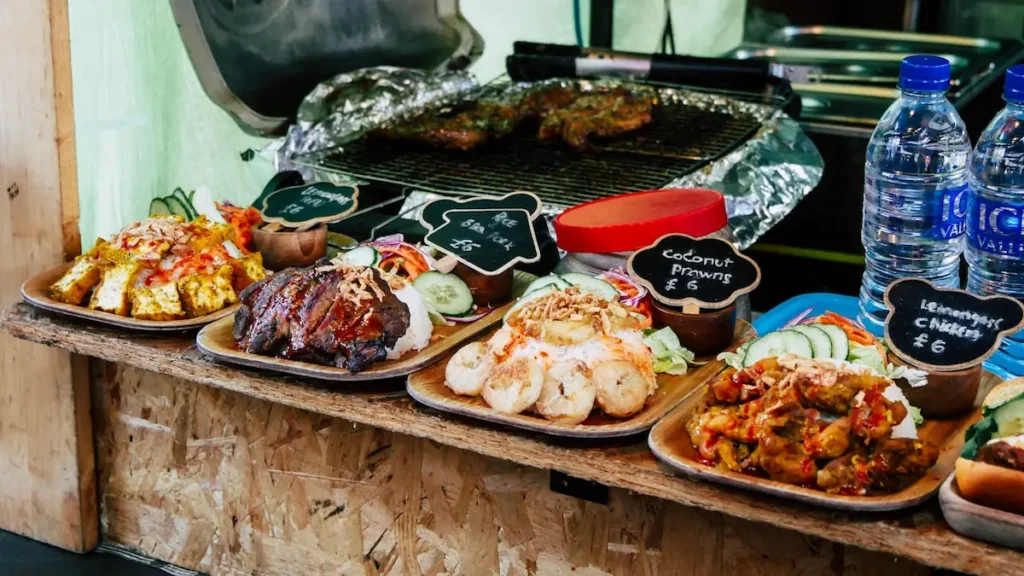
Many travelers associate cheap food with low quality or a lack of authenticity. In reality, the opposite is often true. Eating cheaply while traveling doesn’t mean skipping local cuisine—it usually means experiencing it in a more genuine, everyday way. The foods locals eat daily are rarely expensive, and those foods are often the clearest reflection of a place’s culture.
When you stop chasing “famous restaurants” and highly marketed dining experiences, your relationship with food while traveling changes. Instead of planning meals around reviews and reservations, you start noticing small details: where locals gather, what they eat during workdays, and how food fits naturally into daily life. This shift brings you closer to the rhythm of the place you’re visiting.
Eating like a local transforms food from a checklist item into an experience. It becomes less about ticking off popular dishes and more about observing how people actually live. A simple sandwich from a neighborhood bakery or a quick meal from a busy street stall often tells you more about a destination than a carefully staged restaurant ever could.
When you eat this way, food becomes:
- More affordable, because it’s priced for everyday living
- More authentic, reflecting real local tastes and traditions
- More memorable, because it’s discovered naturally, not planned
Some of the most unforgettable meals happen by accident. You follow a crowd into a small café, stumble upon a food stall while wandering a neighborhood, or stop at a place simply because it smells good. These moments feel personal and unscripted—and they often stay with you longer than any reservation-based dining experience.
Cheap food isn’t a compromise. It’s often the doorway to deeper cultural connection, richer memories, and a more meaningful travel experience overall.
How Much Can You Actually Save by Eating Smart While Traveling?
Food is one of the few travel expenses you control completely every single day. Unlike flights or accommodation, which are often fixed costs, what you spend on meals can change instantly based on your choices. This is why eating strategically has such a powerful effect on your overall travel budget.
Travelers who rely mostly on tourist restaurants often don’t realize how much they’re overspending. A single overpriced meal may not feel dramatic, but when it happens three times a day for a week or more, the costs add up quickly. In contrast, travelers who mix local eateries, bakeries, street food, and supermarkets into their routine consistently spend 30–50% less on food—without feeling deprived or missing out.
These savings become especially noticeable on longer trips. Saving even a small amount per meal can free up a surprising amount of money by the end of your journey.
That saved money can easily be redirected toward things that improve your trip, such as:
- Extra travel days, allowing you to stay longer without increasing your budget
- Better accommodation, like upgrading location or comfort
- Experiences and attractions, such as museums, tours, or local activities
- Emergency savings, giving you peace of mind while traveling
For example, saving €10–€15 per day on food over a two-week trip can add up to €150–€200—enough to cover several nights of accommodation, a scenic train ride, or multiple paid attractions.
Why food savings matter more than most travelers expect:
- Meals are a daily recurring cost
- Small choices repeat multiple times a day
- Savings compound quickly over weeks
- Food decisions don’t reduce travel quality when done smartly
The key point is this: eating cheaply doesn’t mean eating poorly. When done right, it improves both your budget and your experience.
Final Thoughts: Cheap Food Is Often the Best Food
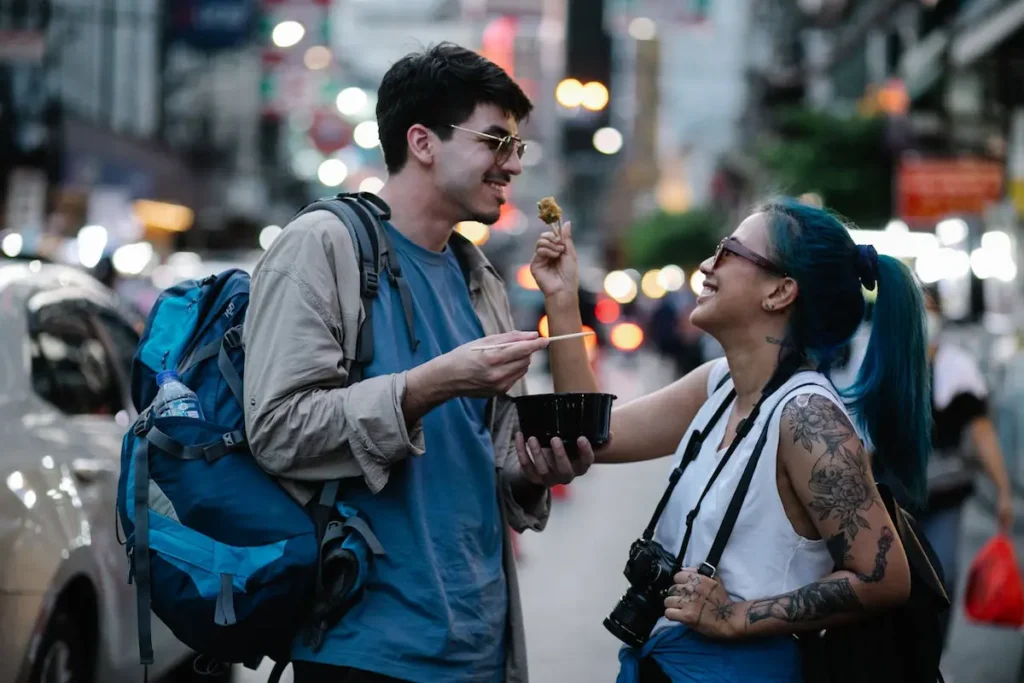
Travel isn’t defined by expensive restaurants or carefully staged meals — it’s shaped by the moments that feel real. In fact, some of the most memorable food experiences while traveling rarely happen in high-end dining rooms. They happen in ordinary places, at ordinary times, when you’re hungry, curious, and open to local life.
Cheap food while traveling often is the best food, not because it costs less, but because it’s made for everyday people. Local cooks don’t prepare meals for tourists — they cook for neighbors, workers, and families who return again and again. That consistency creates flavor, honesty, and comfort you can’t always find in tourist-focused restaurants.
Many unforgettable food moments happen when you least expect them:
- Standing at a busy street stall watching food cook in front of you
- Sitting in a tiny café with locals chatting over coffee
- Eating a simple dish that tastes perfect because it’s done right
- Grabbing something warm and filling between sightseeing stops
When you eat like a local, you gain more than savings. You learn how people actually live, what they eat on a normal day, and how food fits into their routines. This kind of eating turns meals into cultural experiences instead of transactions.
Why cheap local food makes travel better:
- It connects you to daily life, not just tourist highlights
- It helps you understand regional flavors and habits
- It removes pressure to “find the best restaurant”
- It keeps your travel budget balanced and stress-free
Eating cheaply doesn’t mean missing out — it often means discovering more. You stop chasing reviews and start following instinct, curiosity, and local rhythms. And that’s when food becomes a memory instead of just a meal.
The smartest travelers aren’t the ones who spend the most — they’re the ones who know where to look. When you choose simple, local, and affordable food, you don’t just eat better — you travel better.
And in the end, great travel isn’t about what you spend.
It’s about what you experience, remember, and carry with you long after the trip ends.
According to the World Food Travel Association, food tourism is about experiencing local culture through everyday food, not expensive dining — which makes eating like a local both meaningful and affordable.