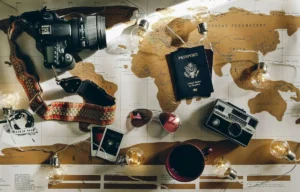
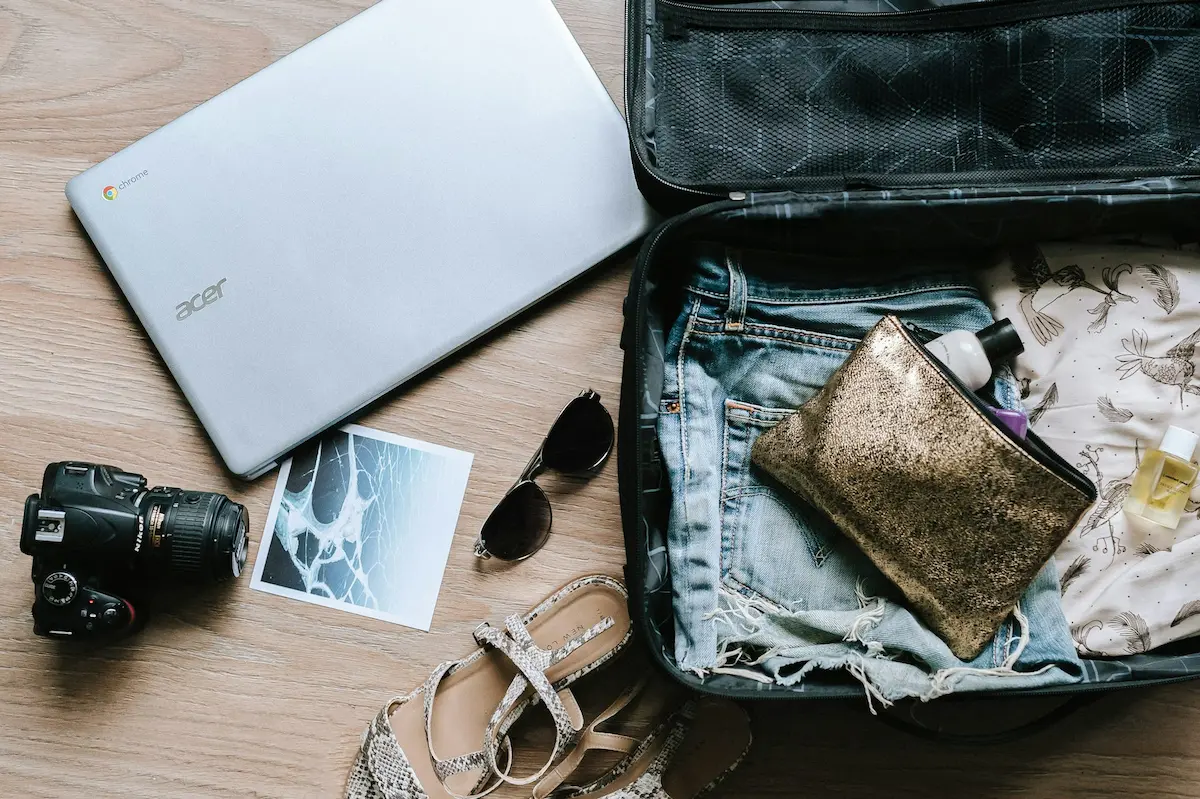
Packing a carry-on bag often sounds simple, but real travel situations tell a different story. Many travelers only realize they packed incorrectly when they’re stopped at airport security, asked to repack their bag at the boarding gate, or surprised by overweight luggage fees. In 2026, as airlines continue tightening baggage rules and charging extra for checked luggage, packing a carry-on properly has become an essential travel skill rather than a convenience.
More travelers are now choosing carry-on-only travel to save money, reduce waiting time, and avoid the frustration of lost or delayed luggage. However, packing light doesn’t mean throwing fewer items into a smaller bag. It means understanding airline rules, knowing what items are truly necessary, and avoiding common packing mistakes that cause stress at airports.
This carry-on packing list for travel is created to help you pack efficiently and realistically. Instead of generic advice, this guide focuses on practical essentials, airline restrictions, real-world packing decisions, and mistakes travelers commonly make. The goal is to help you move through airports smoothly, stay organized, and start your trip with confidence rather than stress.
Whether you’re flying internationally, using a budget airline, or simply want the freedom of traveling without checked luggage, this guide will clearly show you what to pack, what to leave behind, and how to organize your carry-on bag smartly.
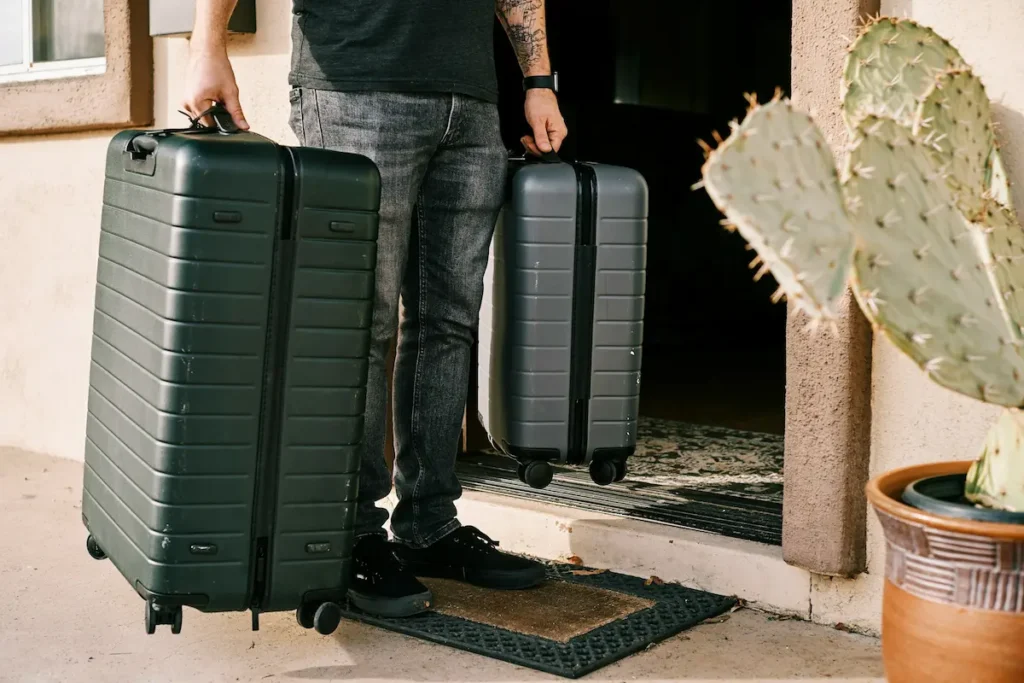
What this carry-on guide helps you do
- Understand current carry-on packing rules and airline expectations
- Pack essential items without overloading your bag
- Avoid common airport security and boarding issues
- Save time, money, and unnecessary travel stress
- Travel lighter while still staying fully prepared
Who this guide is for
This guide is especially useful if you:
- Prefer carry-on-only travel
- Want to avoid airline baggage fees
- Travel frequently or are flying for the first time
- Use budget or international airlines
- Want a simple, realistic packing system that actually works
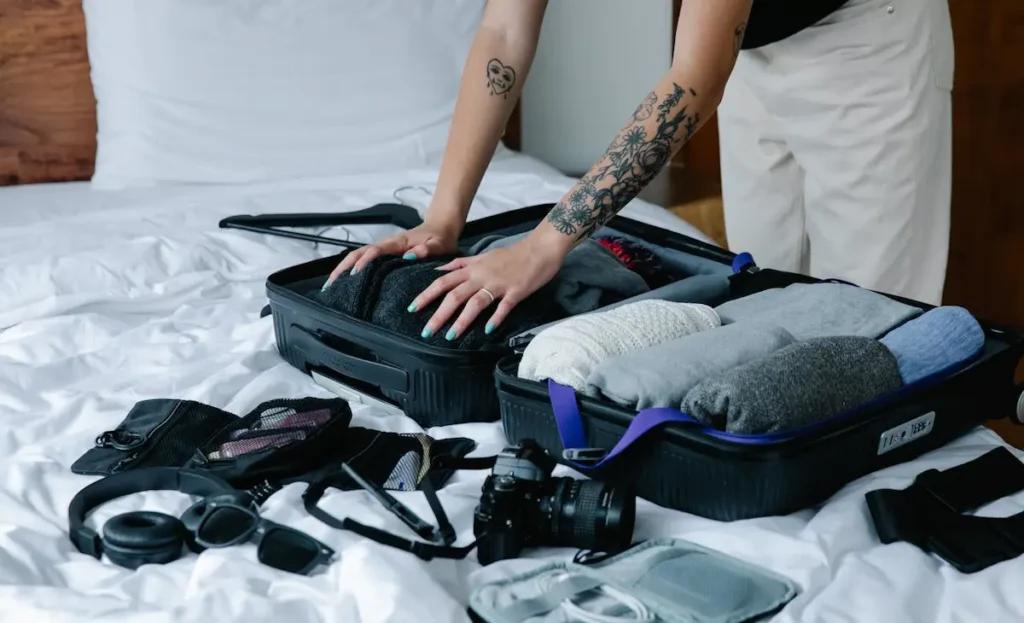
Why Carry-On Only Travel Is More Popular Than Ever
Over the past few years, airline baggage policies have changed significantly, especially among low-cost and budget carriers. What was once included in the ticket price now often comes with additional fees. Many travelers are surprised to find that checking a bag or bringing a larger carry-on can add a noticeable amount to their travel costs. As a result, travelers have become more intentional about how they pack and what they bring with them.
Carry-on only travel has grown in popularity because it offers a practical solution to these changing airline rules. By traveling with a single carry-on bag, travelers can avoid unexpected baggage charges, move through airports more efficiently, and reduce the stress that often comes with managing multiple bags. For frequent travelers, this approach also makes trips more predictable and easier to plan.
Another major reason for the rise of carry-on travel is convenience. Waiting at baggage claim after a long flight can be frustrating, especially when flights are delayed or airports are crowded. Traveling with only a carry-on allows you to leave the airport as soon as you land, saving time and energy. It also reduces the risk of luggage being lost, delayed, or damaged during transit.
Key reasons travelers prefer carry-on only travel
- Avoid baggage fees and unexpected airline charges
- Skip baggage claim and exit the airport faster
- Reduce the risk of lost, delayed, or damaged luggage
- Travel lighter and move more comfortably through airports and cities
From short weekend trips to multi-week journeys, carry-on only travel has evolved into a valuable travel skill rather than a minimalist lifestyle choice. With the right packing strategy, travelers can stay organized, reduce travel-related stress, and focus more on the experience of the journey instead of worrying about their luggage.
My Real Carry-On Packing Experience
On one of my earlier trips, I learned the hard way that packing “just in case” is one of the fastest ways to ruin a smooth travel day. I squeezed extra clothes, unnecessary gadgets, and backup items into a carry-on that barely zipped closed. At the airport, my bag was flagged during check-in for being overweight, and I was asked to reorganize everything on the spot. Standing near the counter, repacking items on the floor while other passengers waited behind me was stressful and embarrassing. I ended up paying extra baggage fees and started the trip already frustrated and tired.
That experience completely changed how I approach packing. Since then, I’ve traveled carry-on only on multiple trips and realized that successful carry-on packing isn’t about bringing fewer things—it’s about bringing the right things. I now pack with clear priorities in mind, focusing on airline rules, trip duration, weather, and how versatile each item is. Over time, this approach has helped me avoid fees, move through airports faster, and feel more organized throughout my journeys.
Key lessons I learned from real carry-on travel
- Packing extra items “just in case” usually leads to overweight or overfilled bags
- Airline rules and size limits matter more than personal estimates
- Versatile clothing and multi-purpose items reduce the need for backups
- Planning outfits and essentials in advance saves time and stress at the airport
The checklist and tips shared in this guide are based on those real experiences and what has consistently worked for me across different trips. By packing intentionally instead of emotionally, carry-on travel becomes easier, more predictable, and far less stressful—allowing you to focus on the journey rather than your luggage.
If you’re planning your first international trip, especially to Europe, understanding packing rules alongside airport and travel tips is essential—our Europe Travel Tips for First-Time Visitors guide covers everything you need to know.

Carry-On vs Personal Item (Know the Difference)
Before you start packing, it’s important to understand the difference between a carry-on bag and a personal item, as airlines treat these two very differently. Many travelers assume both are always included in their ticket, but that is not always the case—especially with budget and low-cost airlines. Knowing the distinction helps you avoid unexpected fees and last-minute repacking at the airport.
A carry-on bag is typically stored in the overhead bin and is meant to hold your main travel items. A personal item, on the other hand, is smaller and must fit under the seat in front of you. Airlines often allow both, but some tickets only include a personal item, while charging extra for a full-size carry-on. This is why checking your airline’s baggage policy before flying is essential.
How airlines usually define each item
- Carry-on bag:
Placed in the overhead bin and used for clothing, toiletries, and larger essentials - Personal item:
Stored under the seat and commonly includes backpacks, laptop bags, handbags, or small daypacks
While policies vary, a commonly accepted carry-on size limit is 22 × 14 × 9 inches (56 × 36 × 23 cm). Some airlines may have smaller size or weight restrictions, particularly on international or budget flights, so relying on general estimates can lead to problems at the gate.
Essential Documents You Must Keep in Your Carry-On
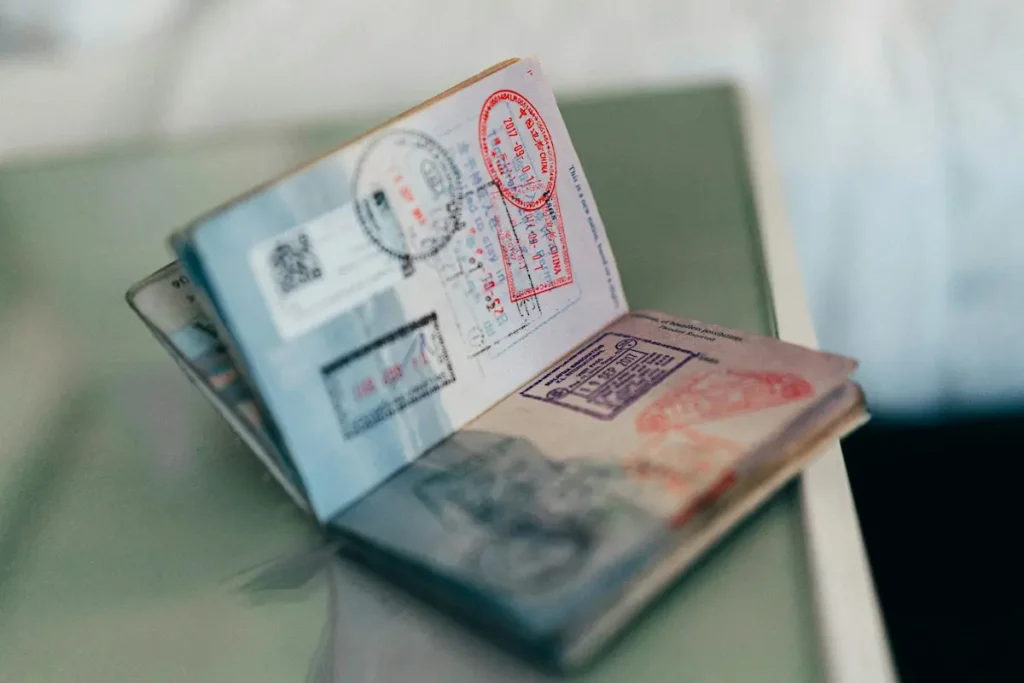
Your carry-on bag should always contain the items you simply cannot afford to lose during your journey. Unlike clothing or toiletries, important documents are difficult—or sometimes impossible—to replace while traveling. If these items are misplaced, stolen, or delayed with checked luggage, your entire trip can be disrupted. This is why experienced travelers treat their carry-on as a secure place for all critical paperwork and valuables.
Keeping essential documents in your carry-on ensures quick access during airport check-in, security screening, immigration, and hotel check-ins. It also gives you peace of mind throughout the journey, knowing that your most important items are always within reach. Whether you’re traveling domestically or internationally, organizing your documents properly is a key part of stress-free travel.
Documents and essentials to always carry with you
- Passport and visa (if required for your destination)
- Boarding pass, both digital and a screenshot backup
- Travel insurance details for emergencies or unexpected changes
- Hotel or accommodation confirmations
- Emergency contact information, written and saved digitally
- Wallet with credit/debit cards and some cash
- Prescription copies if you are carrying medication
Smart document packing tip
- Store digital copies of all important documents in secure cloud storage so you can access them if your phone is lost, damaged, or runs out of battery.
By keeping these essentials in your carry-on and organizing them thoughtfully, you reduce the risk of travel disruptions and can move through airports and border controls with confidence. This simple habit makes a significant difference in how smooth and stress-free your travel experience feels.

Toiletries and Liquids: What’s Allowed in Carry-On Luggage
Packing toiletries for a carry-on requires more attention than packing them in checked luggage. Airport security rules are strict when it comes to liquids, and even experienced travelers can get caught off guard if they forget size limits or packing requirements. Understanding these rules before you pack helps you avoid having items confiscated at security and keeps your airport experience smooth and stress-free.
Most airports around the world follow similar liquid security guidelines, especially on international flights. These rules are designed to speed up screening and maintain safety, but they also mean travelers need to be more selective with what they bring. Packing only essential toiletries in travel-size containers not only keeps you compliant with regulations but also reduces weight and saves space in your bag.
Standard carry-on liquid rules you should know
- Each liquid container must be 100 ml (3.4 oz) or less
- All liquids must fit into one clear, resealable bag
- Only one liquids bag is allowed per traveler
Following these rules consistently will help you pass through security without delays or last-minute repacking.
Carry-On Toiletries Checklist
When packing toiletries for your carry-on, focus on daily essentials rather than full routines. Most destinations have pharmacies or supermarkets, so there’s rarely a need to bring large quantities.
- Toothbrush and travel-size toothpaste
- Deodorant (solid deodorant is easier and more reliable)
- Face wash and moisturizer (travel-size containers)
- Sunscreen (travel-size)
- Lip balm
- Hand sanitizer
If you use specific skincare or medical products that are hard to find abroad, pack just enough for your trip and keep them well organized.
Smart Toiletry Packing Tips from Real Travel Experience
How you pack toiletries matters just as much as what you pack. Poorly packed liquids can leak and damage your clothes, while oversized containers can slow you down at security checkpoints.
- Use solid alternatives whenever possible to reduce liquid restrictions
- Store liquids in leak-proof or zip-lock bags for extra protection
- Avoid packing bulky or heavy toiletries that are easily available at your destination
By packing toiletries thoughtfully and following security guidelines, you can move through airport screening faster and keep your carry-on lighter and more organized. This simple approach helps reduce travel stress and allows you to focus on enjoying your trip rather than dealing with avoidable packing issues.
When packing liquids in your carry-on, make sure they follow airport security regulations, such as the TSA’s 3-1-1 liquids rule for carry-on luggage.
Tech and Electronics You Should Pack in Your Carry-On
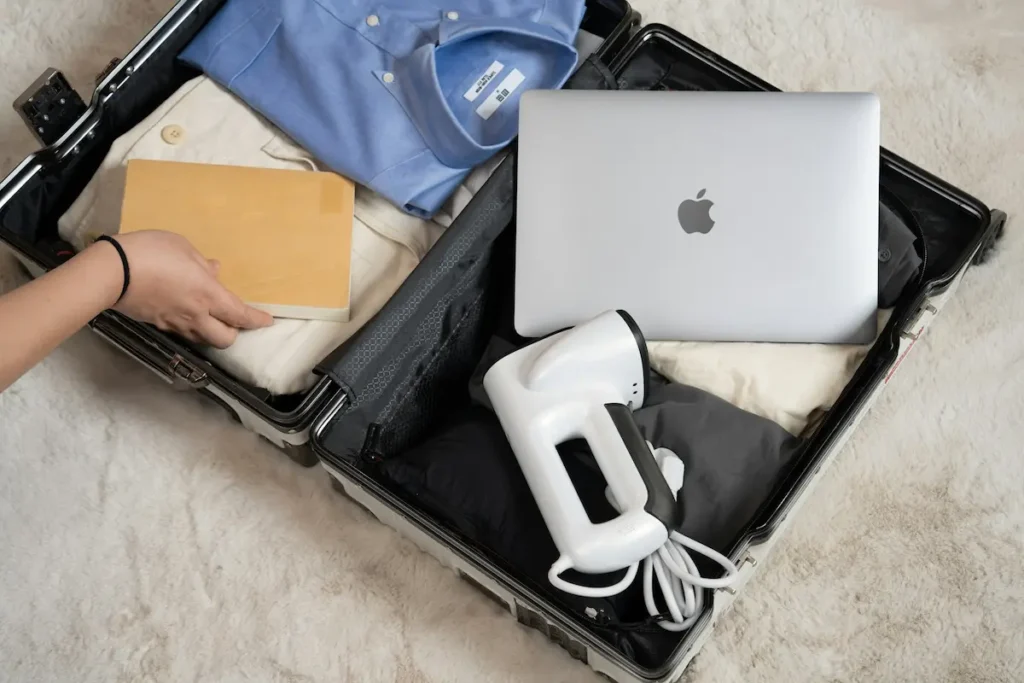
Technology plays a major role in modern travel. From accessing boarding passes and navigation apps to staying connected with family or managing work on the go, the right tech items can make your journey smoother and more comfortable. However, overpacking electronics is a common mistake. Carrying too many gadgets adds unnecessary weight, increases the risk of damage or loss, and can slow you down at airport security.
Smart tech packing is about balance. The goal is to bring devices that genuinely support your travel needs while avoiding items you rarely use. Another important consideration is airline safety regulations, especially when it comes to batteries. Certain electronics are not allowed in checked luggage, which makes organizing your tech correctly in your carry-on essential for both safety and convenience.
Essential travel tech to keep in your carry-on
These are the core items most travelers rely on during their journey:
- Smartphone, used for communication, maps, bookings, and entertainment
- Charging cables, ideally one main cable that works across devices
- Power bank, which must be carried in your carry-on
- Universal travel adapter, especially for international trips
- Earphones or headphones for comfort during flights
Keeping these essentials easily accessible helps you get through security faster and ensures you’re prepared during long flights, layovers, or delays.
Optional tech items (pack only if you truly need them)
Additional devices can be useful depending on your travel style, but they are not necessary for every trip:
- Laptop or tablet for work, study, or extended travel
- Camera for photography-focused trips
- E-reader as a lightweight alternative to books
- Smartwatch for fitness tracking or notifications
If you don’t use these items regularly at home, it’s often best to leave them behind to reduce weight and minimize risk.
Important safety note about batteries
- Power banks and spare lithium batteries must always be carried in your carry-on, not in checked luggage
This rule exists for safety reasons, as lithium batteries can pose a fire risk when stored in the cargo hold. Keeping them in your carry-on allows cabin crew to respond quickly if an issue occurs.
By packing only essential electronics, organizing cables neatly, and following airline battery regulations, you can keep your carry-on lighter, safer, and easier to manage. This thoughtful approach to tech packing helps you stay connected without turning your bag into a burden.
For a complete breakdown of clothing, toiletries, documents, and packing strategies for any trip, see our Ultimate Packing Guide for Travel (2026).
Health, Safety, and Comfort Essentials
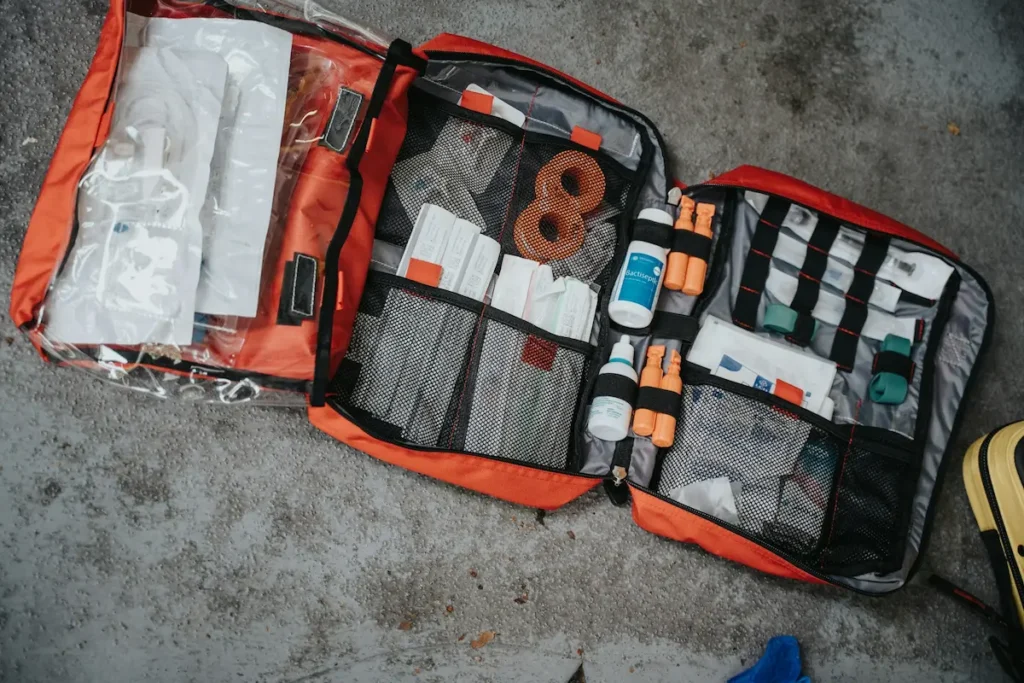
Being prepared for minor health issues and in-flight discomfort can make a huge difference to how smoothly your trip goes. Even small problems—like a headache, motion sickness, dehydration, or feeling cold on a long flight—can feel much worse when you’re far from home or stuck in transit. Packing a few essential health and comfort items in your carry-on helps you stay calm, comfortable, and in control throughout your journey.
Experienced travelers treat their carry-on as a “first-day survival kit.” If your checked luggage is delayed or your journey involves long layovers, having the right health and safety essentials within reach can prevent unnecessary stress. This is especially important for international travel, where access to familiar medication or supplies may not be immediate.
Health & safety items to always keep in your carry-on
- Prescription medication in original packaging
- Basic pain relief for headaches or muscle aches
- Motion sickness tablets, if you’re prone to nausea
- Band-aids and antiseptic wipes for minor cuts or blisters
- Hand sanitizer for hygiene during transit
- Rehydration salts to help with dehydration or long flights
If you have allergies, chronic conditions, or specific medical needs, always pack enough medication for the full trip plus a small buffer in case of delays.
Comfort items that make flights easier
Long flights, cold cabins, and irregular meal times can take a toll on your comfort. Packing a few lightweight comfort items can significantly improve your travel experience without adding much bulk to your bag.
- Empty reusable water bottle (fill after security)
- Snacks to avoid relying on airline food schedules
- Eye mask for rest on overnight or long-haul flights
- Neck pillow (optional, depending on flight length)
- Light jacket or scarf to stay warm in air-conditioned cabins
By preparing for both health and comfort needs, you make travel more predictable and less exhausting. A well-packed carry-on allows you to handle minor issues easily, stay comfortable during transit, and focus more on enjoying the journey rather than dealing with avoidable discomfort.

Clothing Strategy for Carry-On Only Travel
Packing clothes efficiently is one of the most important parts of successful carry-on only travel. Clothing usually takes up the most space in your bag, and overpacking clothes is the main reason travelers struggle with heavy or overfilled carry-ons. The goal is not to pack more outfits, but to pack versatile pieces that work well together and suit your destination, climate, and activities.
Experienced carry-on travelers focus on flexibility rather than quantity. By choosing clothing that can be mixed and matched, layered, and reused, you can stay comfortable without carrying unnecessary weight. This approach not only saves space but also makes your daily travel routine simpler and more organized.
Basic carry-on clothing list
- 2–3 tops that can be worn in multiple combinations
- 1–2 bottoms suitable for both casual and active use
- 1 lightweight jacket or hoodie for layering or cooler weather
- Sleepwear or multipurpose loungewear
- Underwear and socks for several days
- Comfortable walking shoes suitable for long hours on your feet
If your trip includes formal events or special occasions, limit dressy clothing to one outfit to avoid unnecessary bulk.
Clothing packing tips from real carry-on travel experience
- Choose neutral colors that mix and match easily
- Roll clothes instead of folding to save space and reduce wrinkles
- Wear your heaviest items (shoes, jackets) during travel days
- Plan to do laundry if you’re traveling for more than a few days
Packing clothes with intention allows you to move comfortably through airports, unpack quickly at your destination, and avoid the frustration of carrying items you never wear. For a more detailed clothing checklist and packing approach, you can internally link to your Ultimate Packing Guide for Travel (2026) here, which covers clothing choices in greater depth.

What NOT to Pack in Carry-On Luggage
Knowing what not to pack is just as important as knowing what to bring. Many carry-on delays happen not because travelers forget essentials, but because they pack items that are restricted, unnecessary, or impractical for air travel. These mistakes often lead to longer security checks, confiscated items, or last-minute repacking at the airport.
When packing a carry-on, every item should earn its place. Anything that adds weight without clear value or violates airport security rules increases stress and slows you down. Experienced travelers pack intentionally, leaving behind items that are easily replaceable or unlikely to be used during the trip.
Items you should avoid packing in your carry-on
- Liquids over 100 ml, which are commonly confiscated at security
- Sharp objects such as knives or large scissors
- Flammable items, including certain aerosols and fuels
- Excessive electronics you don’t realistically need
- “Just in case” items that are rarely used but add bulk and weight
Packing fewer, more purposeful items makes security checks faster and allows you to move through airports more comfortably. If you’re unsure about an item, it’s usually safer to leave it behind or pack it in checked luggage if permitted.
Carry-On Packing Mistakes to Avoid
Even travelers who pack the right items can run into trouble if they ignore basic carry-on rules. Small oversights—like exceeding size limits or misplacing essential items—can quickly turn into stressful travel moments. Learning from common mistakes helps you pack smarter and avoid unnecessary problems at the airport.
Most carry-on packing issues come from rushing or assuming airline rules are flexible. In reality, airlines enforce size, weight, and safety regulations strictly, especially on full or budget flights. A well-packed carry-on should feel organized, balanced, and easy to manage throughout your journey.
Common carry-on packing mistakes
- Overpacking clothes, especially items you’re unlikely to wear
- Ignoring airline size and weight limits, leading to gate checks or fees
- Packing power banks in checked luggage, which is not allowed
- Forgetting to keep essentials accessible, slowing down security checks
- Packing valuables in checked bags instead of keeping them with you
A properly packed carry-on should feel light, intentional, and well-organized. When everything has a clear purpose and place, travel becomes smoother—from airport security to arrival at your destination.
Frequently Asked Questions About Carry-On Packing
What should always go in your carry-on luggage?
Your carry-on should always include items you cannot afford to lose or be without, even temporarily. This includes your passport and travel documents, phone and charger, essential medications, wallet, and valuables. Keeping these items with you ensures you’re prepared even if your checked luggage is delayed or misplaced.
Can I travel internationally with carry-on only?
Yes, many travelers successfully travel internationally with carry-on only. The key is packing versatile clothing, following airline liquid and size rules, and prioritizing essentials. Carry-on only travel is especially popular for short trips, budget airline travel, and travelers who want to avoid baggage fees and airport delays.
What are the most common carry-on packing mistakes?
The most common mistakes include overpacking clothes, ignoring airline size and weight limits, packing liquids over 100 ml, and placing power banks in checked luggage. These mistakes often lead to delays at security, extra fees, or confiscated items. Packing intentionally and checking airline rules in advance helps avoid these issues.