Packing for travel can be stressful. One small mistake can lead to overweight luggage fees, forgotten essentials, or unnecessary spending at your destination. Many travelers pack too much “just in case” or forget important items that could make their journey smoother and more comfortable.
This ultimate packing guide for travel is designed to help you pack smart. It covers exactly what to pack, what to skip, and practical pro tips so you can travel light, organized, and stress-free—no matter where you’re going.
Whether you’re a first-time traveler or someone who travels often, learning how to pack properly can completely change your travel experience.
Why Ultimate Packing Guide for Travel Matters When Traveling
One of the biggest benefits of smart packing is saving money. Airlines often charge extra fees for overweight luggage, and packing light helps you stay within limits and avoid unexpected costs. This keeps your travel budget under control and prevents last-minute stress at the airport.
Smart packing also makes travel easier. Lighter luggage allows you to move comfortably through airports, trains, and unfamiliar streets. You can adapt quickly to changes, travel more freely, and avoid the discomfort of carrying heavy bags.
A well-organized bag saves time and reduces frustration. When you know exactly where your essentials are, you spend less time searching and more time enjoying your trip. Staying organized also helps you remain calm and confident in busy or unfamiliar environments.
Key Benefits of Packing Smart
- Helps you avoid airline baggage fees and extra charges
- Makes moving between destinations easier and more comfortable
- Keeps your luggage organized and easy to manage
- Saves time when packing, unpacking, and finding items
- Reduces stress and travel fatigue
- Allows you to focus more on experiences than on luggage
Whether you are traveling for a short weekend getaway or a long multi-week journey, packing smart can significantly improve your overall travel experience. With the right packing approach, you travel lighter, move smarter, and enjoy every moment of your trip with confidence.
Essential Travel Documents You Must Carry
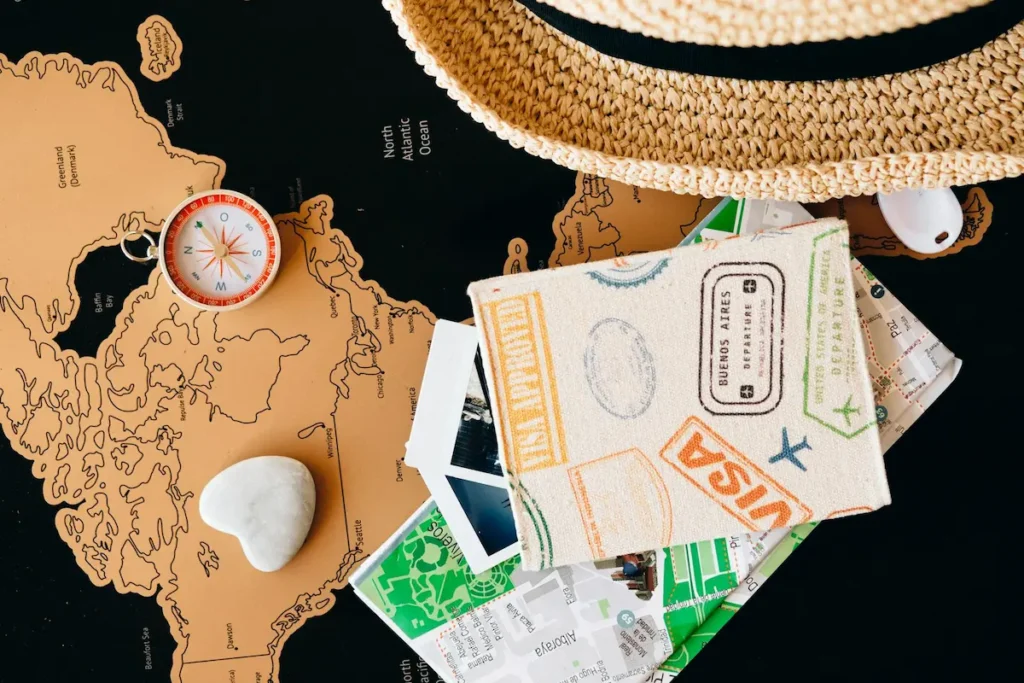
Your travel documents are the most important items on your packing list. Unlike clothing or toiletries, forgotten documents cannot be easily replaced during your trip. Missing even one essential document can lead to denied boarding, entry refusal at immigration, or major delays that disrupt your entire travel plan. Packing and organizing your documents properly is the foundation of a smooth and stress-free journey.
Before you pack anything else, make sure all required documents are prepared, valid, and easily accessible. Keeping your documents organized not only saves time at airports and checkpoints but also gives you peace of mind throughout your trip.
Must-Have Travel Documents
Every traveler should carry a valid passport with at least six months of remaining validity, as many countries require this for entry. Depending on your destination, a visa may also be necessary, so it’s important to check requirements well in advance. In addition to identification, proof of travel plans and accommodation is often required during immigration checks.
You should always carry:
- A passport with sufficient validity
- Visa (if required for your destination)
- Flight tickets or e-tickets
- Hotel or accommodation booking confirmations
- Travel insurance documents
- Emergency contact information
If you are traveling with prescription medication, carrying a copy of your prescription is strongly recommended. Some countries require documentation for certain medicines, and having proof can prevent issues at airports or border controls.
Smart Document Packing Tips
Organizing your documents correctly is just as important as carrying them. Relying on only one copy can be risky, especially if your phone battery dies or your documents are lost. Having backups ensures you’re prepared for unexpected situations.
Follow these smart document packing tips:
- Store digital copies of all important documents in cloud storage such as Google Drive or iCloud
- Carry at least one printed copy of essential documents
- Keep all documents in your carry-on bag, never in checked luggage
- Use a travel document organizer to keep everything in one place
By taking a few extra minutes to prepare and organize your travel documents, you can avoid unnecessary stress and focus on enjoying your journey instead of dealing with preventable problems.
Packing smart also plays a major role in saving money while traveling, especially when combined with other strategies explained in this guide on how to travel on a budget.
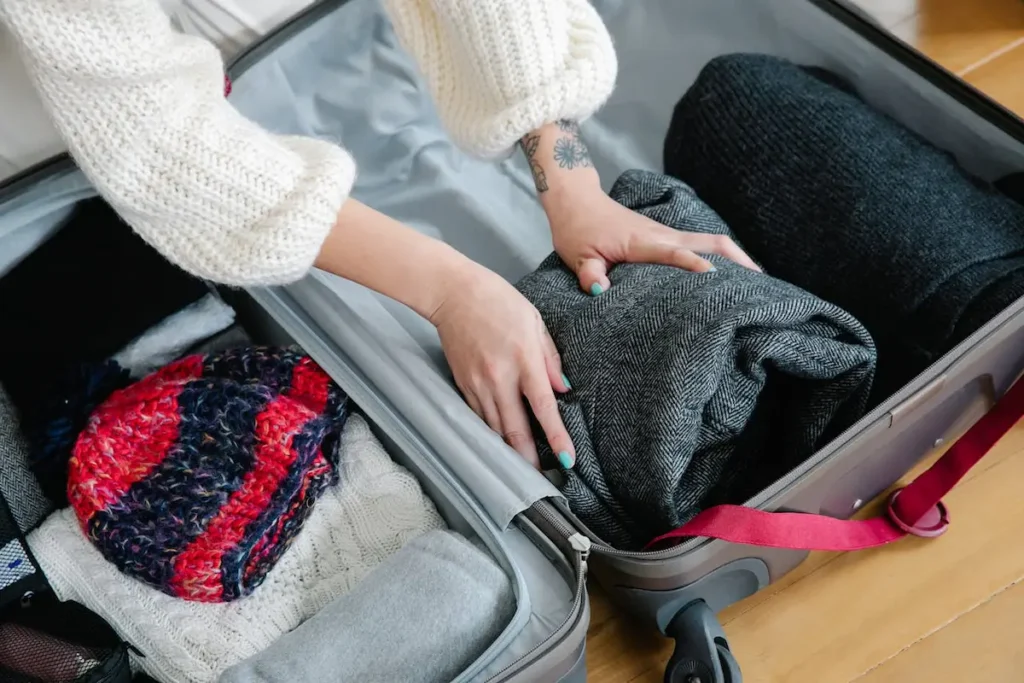
Clothing Essentials – How to Pack Without Overpacking
Clothing usually takes up the most space in your luggage and is the main reason many travelers end up overpacking. It’s easy to add extra outfits “just in case,” but this often leads to heavy bags, airline baggage fees, and unnecessary stress during travel. Packing the right clothing is not about bringing more options—it’s about choosing versatile pieces that work together and suit your destination, climate, and activities.
By planning your clothing carefully, you can reduce luggage weight, stay organized, and still have everything you need. A smart clothing strategy helps you travel comfortably while avoiding the frustration of carrying items you never wear.
The 3-2-1 Clothing Packing Rule
One of the most effective methods used by frequent travelers is the 3-2-1 clothing packing rule. This simple approach helps you limit choices while still creating multiple outfit combinations. The key is to focus on mix-and-match pieces rather than individual outfits.
The 3-2-1 rule includes:
- Three tops
- Two bottoms
- One jacket or hoodie
Choosing neutral or complementary colors allows you to combine items easily and wear the same pieces in different ways. This strategy works well for most trips and climates and can be adjusted slightly depending on trip length or weather conditions.
Essential Clothing Checklist
When packing clothes, prioritize comfort, practicality, and versatility. Focus on items you know you will actually wear rather than packing based on hypothetical situations.
Your basic clothing checklist should include:
| T-shirts / tops | Shirts / blouses | Jeans / trousers |
| Shorts / skirts | Jacket / hoodie | Sweater |
| Sleepwear | Innerwear | Socks |
| Comfortable walking shoes | Sandals / flip-flops | Dressy outfit (optional) |
| Rain jacket | Thermal wear | Scarf / cap |
If your trip includes formal dining, celebrations, or special events, you can add one dressy outfit. Limiting dressy clothing to a single outfit helps prevent unnecessary overpacking.
Clothing Packing Tips
How you pack your clothes matters just as much as what you pack. Using efficient packing techniques helps you save space and keep your luggage organized throughout the trip.
Keep these clothing packing tips in mind:
- Roll clothes instead of folding them to save space and reduce wrinkles
- Wear your heaviest shoes, jackets, or layers during travel
- Avoid packing clothes “just in case,” as laundry services are available in most destinations
With the right clothing choices and packing method, you can travel lighter, move more comfortably, and still feel prepared for every part of your trip.
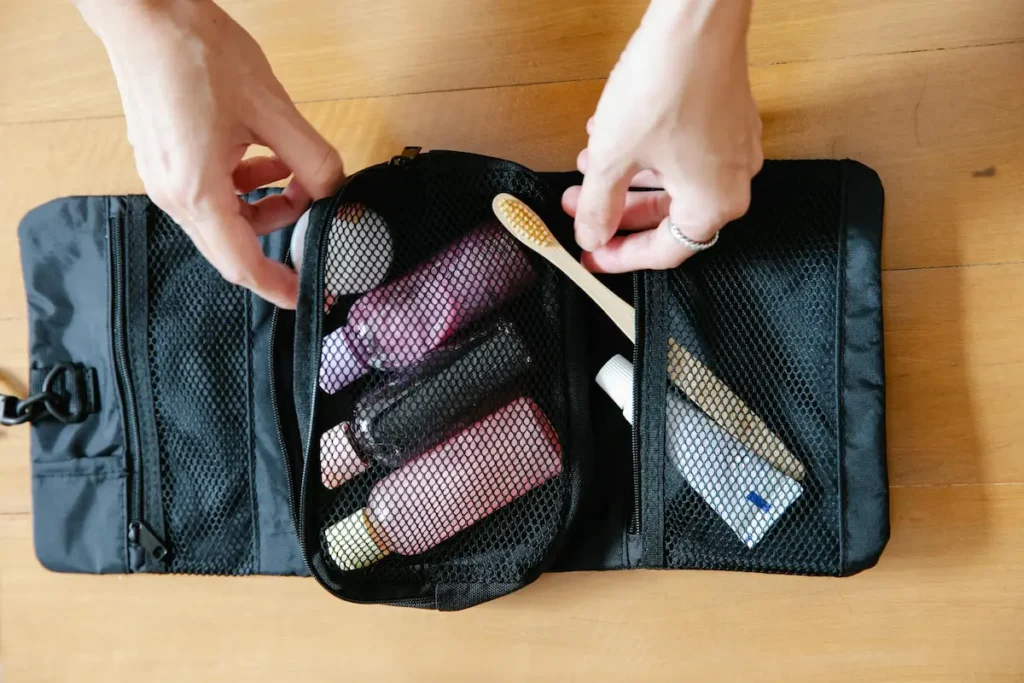
Toiletries and Personal Care Essentials
Toiletries are one of the most commonly overpacked items when traveling, and they can quickly add unnecessary weight to your luggage. Many travelers pack full-size products or multiple backups without realizing how heavy liquids and containers can be. Packing toiletries smartly helps you reduce luggage weight, prevent leaks, and stay within airline liquid restrictions.
Instead of bringing everything from home, focus on carrying only what you truly need for daily hygiene and comfort. Most destinations have pharmacies and supermarkets where basic toiletries are easily available, so there’s no need to overload your bag.
Travel-Friendly Toiletries List
When it comes to toiletries, simplicity is key. Choose compact, multi-purpose items that cover your basic needs without taking up too much space.
Your essential toiletries should include:
| Toothbrush | Toothpaste | Deodorant |
| Face wash | Basic skincare | Sunscreen |
| Razor / grooming kit | Shampoo (travel-size) | Conditioner (travel-size) |
| Hairbrush / comb | Makeup essentials | Lip balm |
| Hand sanitizer | Tissues | Wet wipes |
If you use specific skincare or medical products that are difficult to find elsewhere, make sure to pack enough for the duration of your trip.
Toiletry Packing Tips
How you pack toiletries is just as important as what you pack. Poorly packed liquids can leak and damage your clothes, while bulky containers can waste valuable space.
Follow these simple toiletry packing tips:
- Use travel-size containers instead of full-size bottles
- Store all liquids in leak-proof or zip-lock bags
- Avoid packing items that are easily available at your destination
- Consider buying heavy or bulky toiletries after arrival
By packing toiletries thoughtfully, you can keep your luggage lighter, stay organized, and avoid common travel inconveniences like spills and excess weight.
When packing liquids in your carry-on, make sure they comply with airport security regulations, such as the TSA’s 3-1-1 liquids rule.
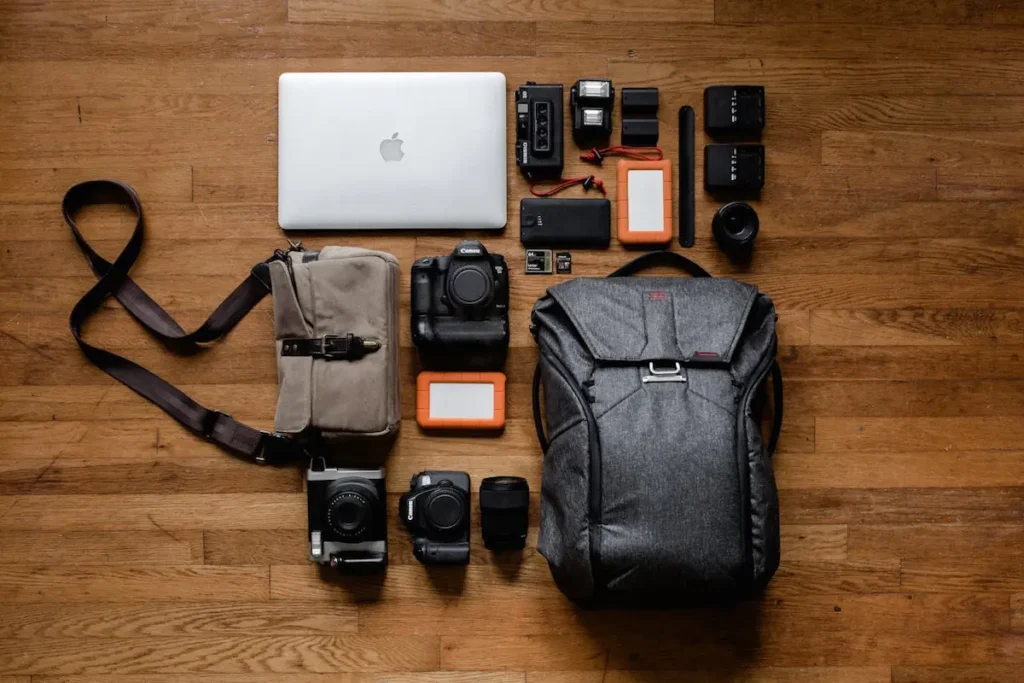
Tech and Travel Gadgets You Actually Need
Technology can make travel more convenient, safer, and more enjoyable—but only when you pack the right devices. Carrying too many gadgets adds weight, increases the risk of loss or damage, and creates unnecessary stress. Smart tech packing focuses on essentials that support communication, navigation, and basic entertainment while avoiding items you rarely use.
Most travelers find that a small, well-chosen tech setup is more than enough. By packing intentionally, you stay connected and prepared without overloading your bag or spending time managing excess devices.
Essential Travel Tech
For most trips, a few key tech items will cover all your needs. These essentials help you stay in touch, find your way, and stay entertained during travel downtime.
Your essential travel tech includes:
- Smartphone
- Charging cables
- Power bank
- Universal travel adapter
- Earphones or headphones
These items allow you to access maps, bookings, translations, communication apps, and entertainment, making them indispensable for modern travel.
Optional Tech Items
Additional tech should be packed based on your travel style and purpose. While these items can enhance your experience, they are not necessary for every trip.
Optional tech items include:
| Smartphone | Charging cables | Power bank |
| Universal travel adapter | Earphones / headphones | Camera |
| Laptop | Tablet | Smartwatch |
| E-reader | Portable hard drive | Travel router / hotspot |
If you don’t use these devices regularly, it’s best to leave them behind to reduce weight and minimize the risk of theft or damage.
Tech Packing Tips
Proper organization helps protect your devices and makes them easy to access when needed. Poorly packed tech can lead to tangled cables, damaged equipment, or delays at airport security.
Follow these tech packing tips:
- Keep all chargers and cables in one pouch
- Avoid packing duplicate or unnecessary devices
- Carry power banks in your hand luggage, as airlines do not allow them in checked baggage
Packing only the tech you truly need ensures a smoother, lighter, and more stress-free travel experience.
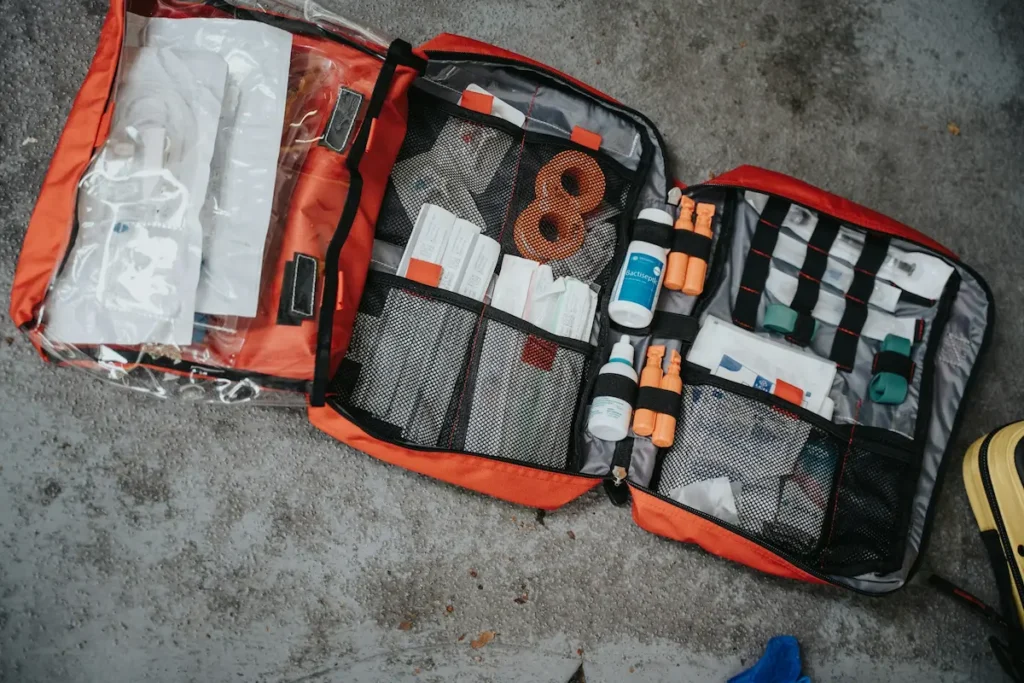
Health, Safety, and First-Aid Essentials
Health and safety items are often overlooked when packing, yet they are some of the most important things to prepare before a trip. Even minor health issues can become stressful when you’re in an unfamiliar place, especially if you don’t have quick access to the right medication or supplies. Packing basic health and first-aid essentials helps you stay comfortable, prepared, and confident throughout your journey.
Traveling can expose you to changes in climate, food, time zones, and physical activity levels. Having essential health items with you ensures that small problems like headaches, motion sickness, or minor injuries don’t interrupt your plans. Being prepared also reduces the need to search for pharmacies or medical help in unfamiliar locations.
Health and Safety Checklist
When packing health-related items, focus on essentials that cover common travel-related issues. Carry only what you need, but make sure you have enough supplies for the entire duration of your trip.
Your basic health and safety checklist should include:
| Personal medications | Prescriptions (if required) | Pain relief tablets |
| Motion sickness medicine | Allergy medication | Band-aids |
| Antiseptic wipes | Hand sanitizer | Face masks |
| Thermometer | Insect repellent | Sunscreen |
| Small first-aid kit | Medical documents | Rehydration salts |
If you have specific medical conditions or allergies, ensure you pack enough medication for the full trip, plus a small buffer in case of delays.
Health Packing Tips
How you pack your health items matters just as much as what you pack. Improperly packed medication can lead to issues at airport security or border checks, especially during international travel.
Follow these health packing tips:
- Keep medications in their original packaging
- Carry prescriptions or doctor’s notes when required
- Pack a small first-aid kit instead of a full pharmacy
By preparing your health and first-aid essentials thoughtfully, you can handle minor health issues easily and focus on enjoying your trip with peace of mind.
Overpacking not only makes travel uncomfortable but can also increase expenses, especially in destinations where luggage fees and daily costs add up—something to consider when planning trips to places like Europe, where many travelers wonder is Europe expensive to travel.
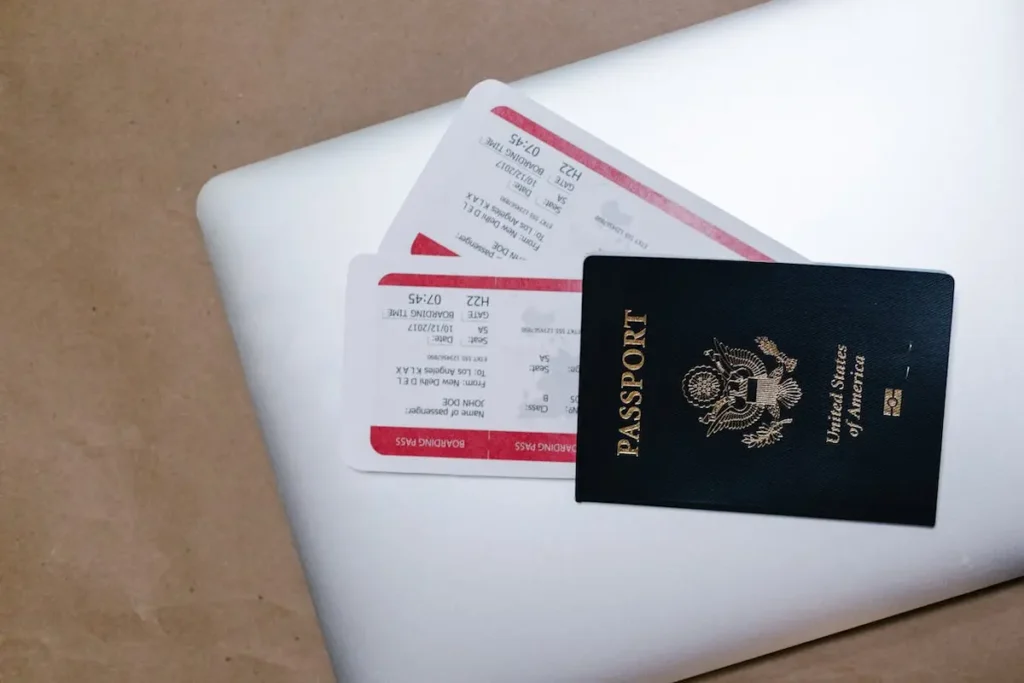
Carry-On Essentials You Should Never Skip
Your carry-on bag plays a crucial role in your travel experience. It should contain the items you cannot afford to lose or be without, even temporarily. Checked luggage can be delayed, misplaced, or arrive later than expected, so packing your carry-on thoughtfully ensures you are prepared for unexpected situations.
A well-packed carry-on gives you peace of mind during your journey. It keeps important items within reach, helps you stay comfortable during flights, and allows you to manage essential needs without relying on your main luggage. Whether your trip is short or long, your carry-on should be treated as your survival kit for the first day of travel.
Carry-On Must-Have Items
When packing your carry-on, focus on essentials that are important for identification, communication, health, and basic comfort. These items should be easy to access and organized neatly.
Your carry-on essentials should include:
| Passport | Travel documents | Boarding pass |
| Phone | Phone charger | Power bank |
| Wallet | Cash | Credit / debit cards |
| Essential medication | Prescription copy | Health documents |
| Earphones / headphones | Snacks | Reusable water bottle |
| Eye mask | Neck pillow | Hand sanitizer |
For long flights or overnight journeys, comfort items such as an eye mask or neck pillow can make a significant difference in your travel experience.
Carry-On Pro Tip
Always pack your carry-on with the assumption that your checked luggage could arrive late or be temporarily misplaced. Include enough essentials to manage at least one full day without your main bag, including important documents, medications, and basic necessities.
By preparing your carry-on carefully, you can travel with confidence, reduce stress, and handle unexpected delays without discomfort.
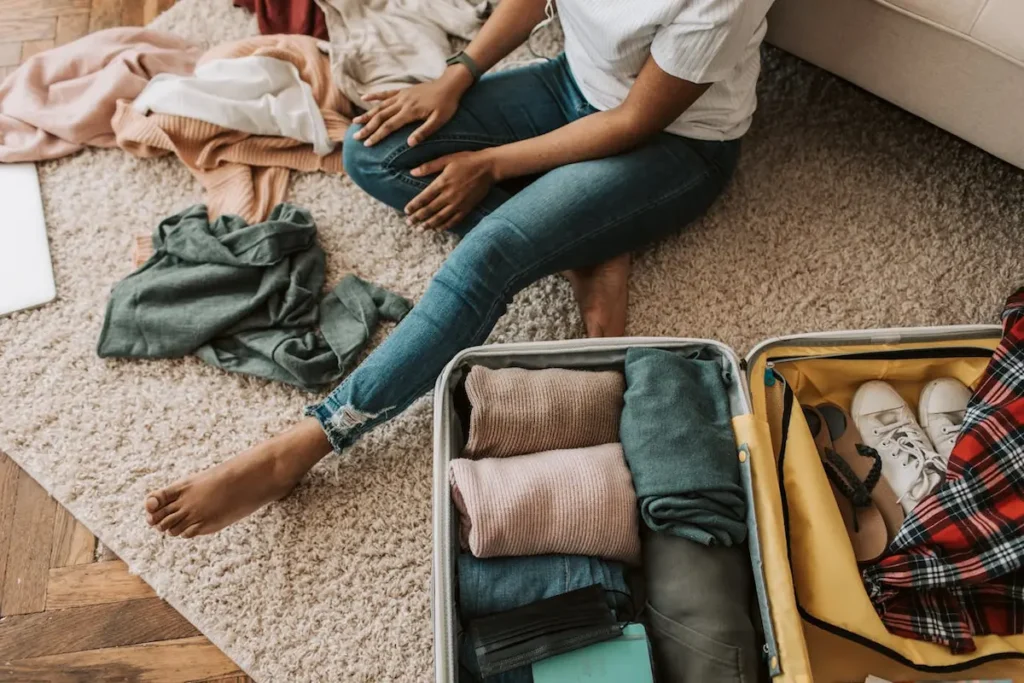
What Not to Pack – Common Travel Mistakes
Knowing what not to pack is just as important as knowing what to pack. Many travelers focus only on adding items to their luggage without considering whether those items are truly necessary. This often leads to heavy bags, cluttered luggage, and unnecessary stress throughout the trip. Packing fewer, more purposeful items helps you travel lighter and enjoy your journey more comfortably.
Overpacking can slow you down, increase baggage fees, and make it harder to stay organized. By identifying common packing mistakes and avoiding unnecessary items, you create more space for essentials and reduce the physical and mental burden of carrying extra weight.
Items You Should Avoid Packing
Some items are commonly packed but rarely used during travel. These items take up valuable space and often add weight without providing real value.
You should avoid packing:
- Too many clothes, especially items you are unlikely to wear
- Full-size toiletries that add unnecessary weight
- Expensive jewelry that can be lost or stolen
- Hair dryers, which are usually provided by hotels
- Uncomfortable shoes that are impractical for walking
- “Just in case” items you are unlikely to need
Being mindful of what you leave behind is a key part of packing smart. By removing unnecessary items from your bag, you make room for what truly matters and create a smoother, more enjoyable travel experience.
Useful Packing Accessories That Make Travel Easier
Small packing accessories may seem minor, but they can make a big difference in how organized, efficient, and stress-free your travel experience feels. The right accessories help you use luggage space more effectively, keep items easy to find, and reduce the frustration of unpacking and repacking throughout your trip.
When your bag is well organized, you spend less time searching for items and more time enjoying your journey. Packing accessories also help protect your belongings and maintain order, especially on trips that involve multiple destinations or frequent hotel changes.
Recommended Packing Accessories
A few well-chosen accessories can significantly improve how you pack and travel. These items are lightweight, practical, and designed to make your luggage easier to manage.
Consider packing the following accessories:
- Packing cubes to separate clothing and keep outfits organized
- Compression bags to save space and reduce bulk
- Laundry bags to keep dirty clothes separate from clean items
- Cable organizers to prevent tangled chargers and cables
- Travel locks for added luggage security
- Reusable shopping bags for groceries, souvenirs, or day trips
By using these packing accessories, you can stay organized, pack more efficiently, and travel with greater ease and comfort.
Frequently Asked Questions About Travel Packing
What should I pack for international travel?
For international travel, you should pack essential documents such as a valid passport, visa (if required), travel insurance, and copies of your bookings. In addition, bring versatile clothing, travel-size toiletries, essential medications, and basic tech items like a phone, charger, power bank, and universal travel adapter. Packing smart for international travel also means keeping all important documents and valuables in your carry-on luggage.
How do I avoid overpacking?
The best way to avoid overpacking is to pack intentionally and focus on versatility. Use simple packing rules like the 3-2-1 clothing method, choose neutral colors that mix and match easily, and avoid packing items “just in case.” Creating a packing checklist before your trip and sticking to it helps you pack only what you truly need.
What should always go in carry-on luggage?
Your carry-on luggage should always include items you cannot afford to lose. This includes your passport and travel documents, phone and charger, power bank, wallet, essential medication, and valuables. Packing these items in your carry-on ensures you are prepared even if your checked luggage is delayed or misplaced.